Korea’s Artistic Heritage Takes Centre Stage
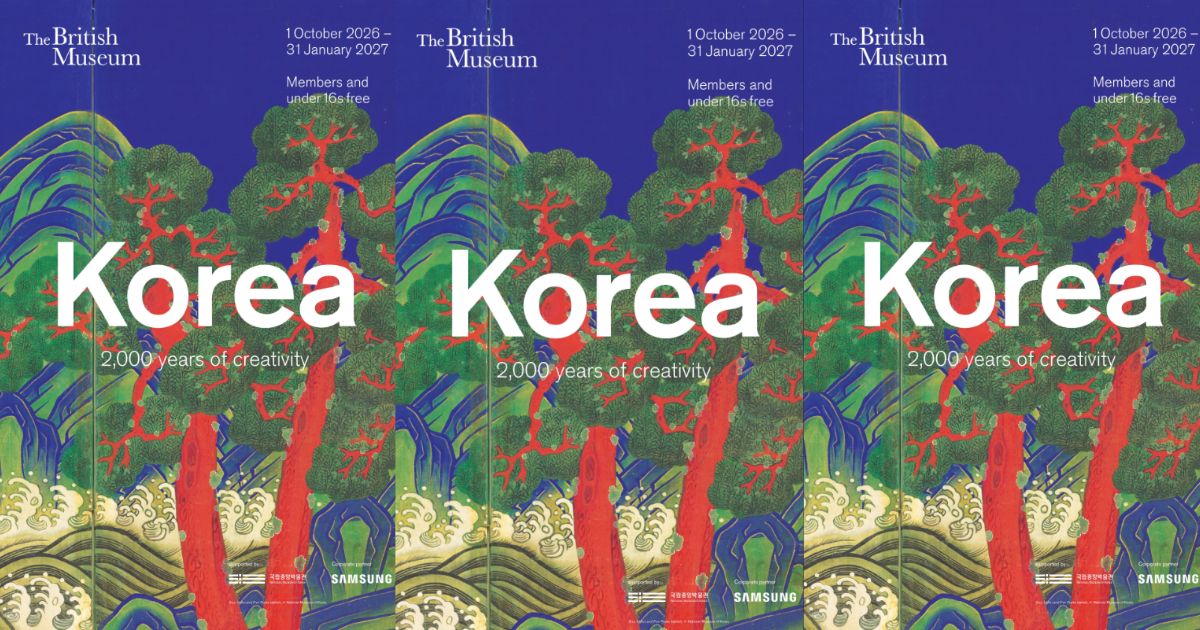
International interest is focused on Korean art and culture, with the British Museum staging a comprehensive exhibition of Korean art for over 2,000 years. The exhibition features calligraphy, ceramics, lacquerware, metalwork, paintings, and various books, as well as sculptures, and showcases the craftsmanship, beliefs and cultural exchanges that have influenced Korea from generation to generation.
The Lee Kun-Hee Collection is at the heart of the exhibition, being one of the most important collections of Korean cultural heritage. Overall, the display provides visitors with an opportunity to learn about the country’s art traditions and the evolution of its cultural identity over the years. The exhibition is also supported by Samsung and organised jointly by the National Museum of Korea, the National Museum of Modern and Contemporary Art, Korea and the British Museum, bringing greater cultural linkage between Korea and the international public.
A Legacy of Preserving Korean Culture
For much of his life, the late Lee Kun-Hee, chairman of the Samsung group, established a collection that reflected the cultural and artistic accomplishments of Korea. The collection covers a variety of eras ranging from prehistoric to the early 21st century, and includes objects of religious and spiritual significance as well as those relating to everyday life.
His collecting was rooted in the idea that culture needs to be maintained and transmitted to future generations. In 2021, Lee’s family deposited around 23,000 art pieces and cultural artefacts to the Republic of Korea, making it a public cultural asset from the private collection.
The collection offers an insight into the artistic development of the country and the traditions that are still alive in the present day in Korea. Korean films, music and popular culture have become known all over the world, but the exhibitions provide a chance to look at the foundations of Korea’s cultural influence.
Connecting Korea with the World
The London exhibition is the third and final leg of the international tour of the collection, which opened at the Art Institute of Chicago and the Smithsonian in Washington, DC. Such exhibits have made Korean history, art and culture accessible to the world, passing down items of value through the ages.
The collection is not only made up of items from Korea, but it is also taking the collection beyond Korea and emphasising cultural exchange. With the help of museums, societies of different cultures get to learn about new traditions and have an enlightened point of view of other societies through their art.
The involvement of Samsung in the exhibition emphasizes the role played by businesses in the conservation of culture and international relations. Through supporting activities that make historical collections more accessible to a broader audience, organisations can facilitate the link between past and present.
Preserving the Past for Future Generations
Cultural heritage is relevant if it continues to inspire new generations. Historical works of art and artefacts not only can be used to look at what happened in the past; they can also be used to understand how societies have formed their identities, how they have communicated their beliefs and how they have shared ideas with the wider world.
The Lee Kun-Hee Collection is a testament to the importance of maintaining the traditions of art while opening it up to the public. Its tours around the world offer a wider picture of the cultural heritage and legacy of Korea.
The collection reaches London and underlines the significance of Museums, Cultural institutions and private initiatives in preserving Heritage. The exhibition provides a space for learning, appreciation and dialogue between and across the past and the present.