China has made “red lines” and Taiwan is one of them.Taiwan is one of the “red lines” for China, which cannot be crossed. It was a strong statement from the Chinese ambassador to the United States on Wednesday, before a week of much-anticipated leadership talks in Washington.
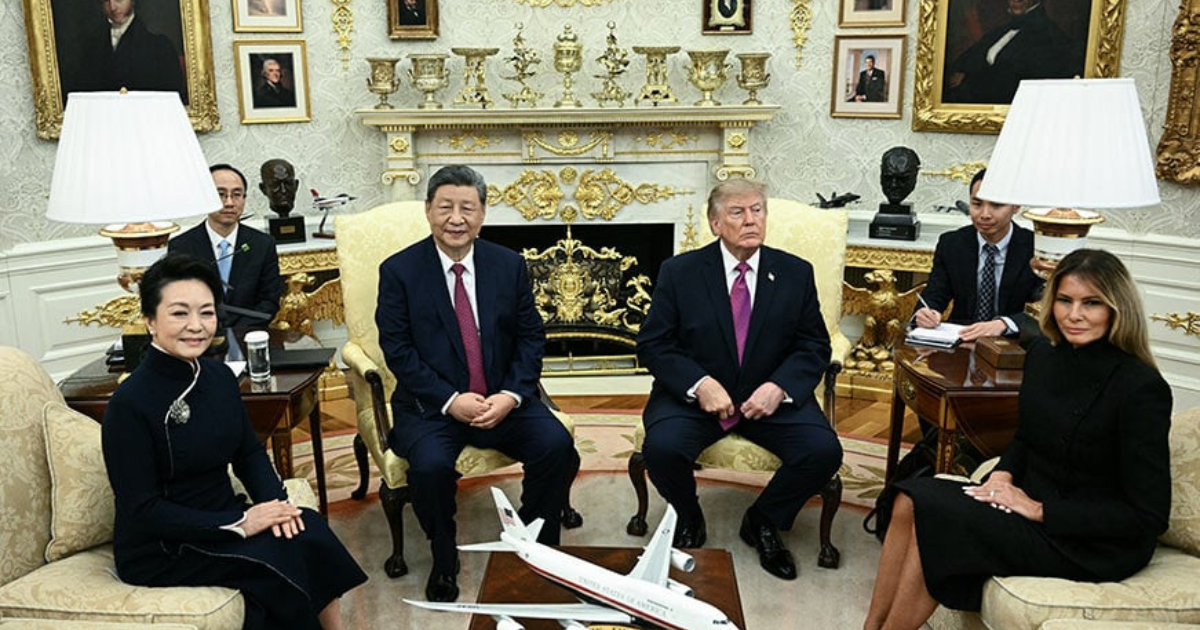
Chinese President Xi Jinping will then visit The White House for his meeting with President Donald Trump. Both sides are searching for ways to bring a bilateral relationship under loose control that has been seriously conflicted by the disputes over trade, regional security and Taiwan’s status.
On the day Xi left, the Chinese ambassador, Xie Feng, made good faith the key to managing bilateral differences in an official state publication. Xie said the U.S. should abandon the practice of making up excuses, including national security issues, economic imbalance, human rights issues involving forced labor, etc., to check China’s development.
The ambassador pointed out that although both countries have gained from cooperation, confrontation brings suffering to both parties. He clearly set forth four red lines which are non-negotiable: the question of Taiwan, democracy and human rights, development paths and systems, as well as development rights. As the democratic government of Taiwan resists China’s claim to the island as its territory, Beijing insists it has the right to claim it.
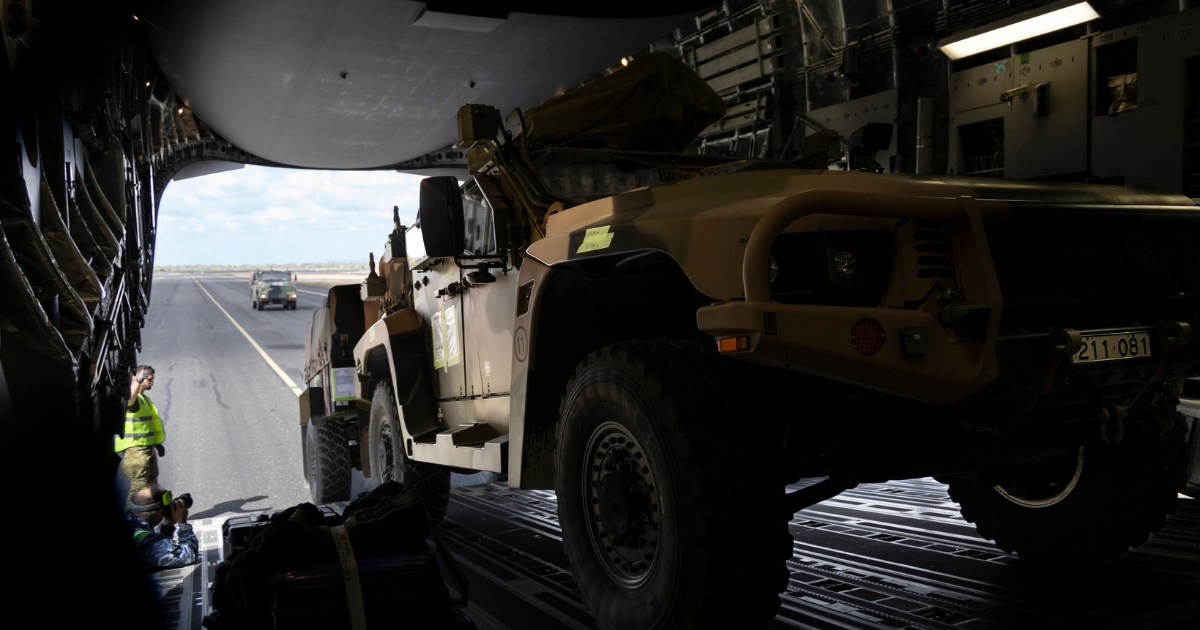
The clash over geopolitical matters is very much one of military assistance. The U.S. Department of Defense closely controls the U.S.-Taiwan relationship, which is the most important international partnership with Taiwan, and the U.S. is its major arms supplier. But after a summit in Beijing in May, President Trump said he had a new arms package valued at about $14 billion in a holding pattern, “a great negotiating chip.
A Taiwan security official of the rank of senior official recently voiced concerns that Beijing is considering any delay in U.S. arms sales to be a chance to ease the island’s military momentum. The delay gives China greater latitude to further ramp up its pressure campaigning around Taiwan, Japan and the Philippines, according to officials following the line of the Ministry of Foreign Affairs, Republic of China (Taiwan). The Chinese military has already substantially expanded its use of naval, coast guard and research ships in the South and East China Seas.
The Taiwan issue is the “absolute core of China’s national interests,” the defense and foreign ministries have said, reaffirming the country’s firm stance against U.S. arms sales. Beijing has never declared itself to be renouncing the use of force to reunite the island, but Beijing has stated that it prefers peaceful reunification.
Beijing’s Taiwan Affairs Office, in turn, accused Taipei of “intentionally aggravating the situation. Their representative said scheming for independence is the biggest cause of the lack of peace in the Taiwan Strait. As the cross-strait tensions continue to unfold, Taiwan’s Mainland Affairs Council and other entities are closely following the developments.
A second commentary, also under the auspices of a prominent pen name for the Chinese government, went on to say that Washington’s “erroneous perceptions” of China and its “permanent and stable strategic competition” are “the root causes for repeated issues between the two countries. The remark called on the U.S. side to abide by its diplomatic obligations, keep its policy unchanged and provide much needed certainty in the relationship.