Tuesday saw global markets undergo extreme market volatility because oil prices increased while stock markets declined due to uncertainty about US-Iran peace talks. Investor sentiment began to decrease because the two-week Middle East ceasefire period approached its end.
Shifting Geopolitical Dynamics and the Energy Sector
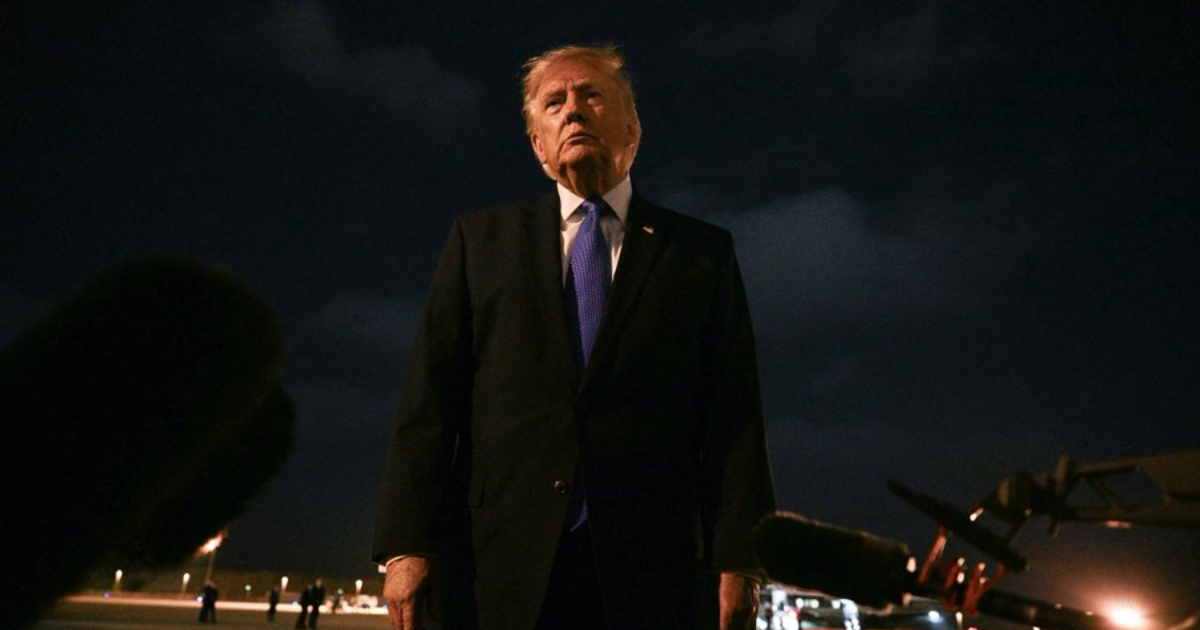
President Donald Trump declared the current ceasefire extension during a time when the US stock market had just finished its trading day. The administration decided to continue its military blockade against Iranian ports while all official White House documents and executive orders confirmed this decision.
Initially investors anticipated that diplomatic negotiations would succeed in reopening the essential Strait of Hormuz for international oil and gas transportation. The peace talks that Pakistan will host faced increasing skepticism from people who doubted their success.
Iranian Foreign Minister Abbas Araghchi stated on X that the Islamic republic would “resist bullying.” He identified the US blockade which prevents Iranian ports from operating as “an act of war” which breaks the ceasefire agreement. The US delegation to Islamabad faced delays because Vice President JD Vance had not yet left for his scheduled diplomatic mission.
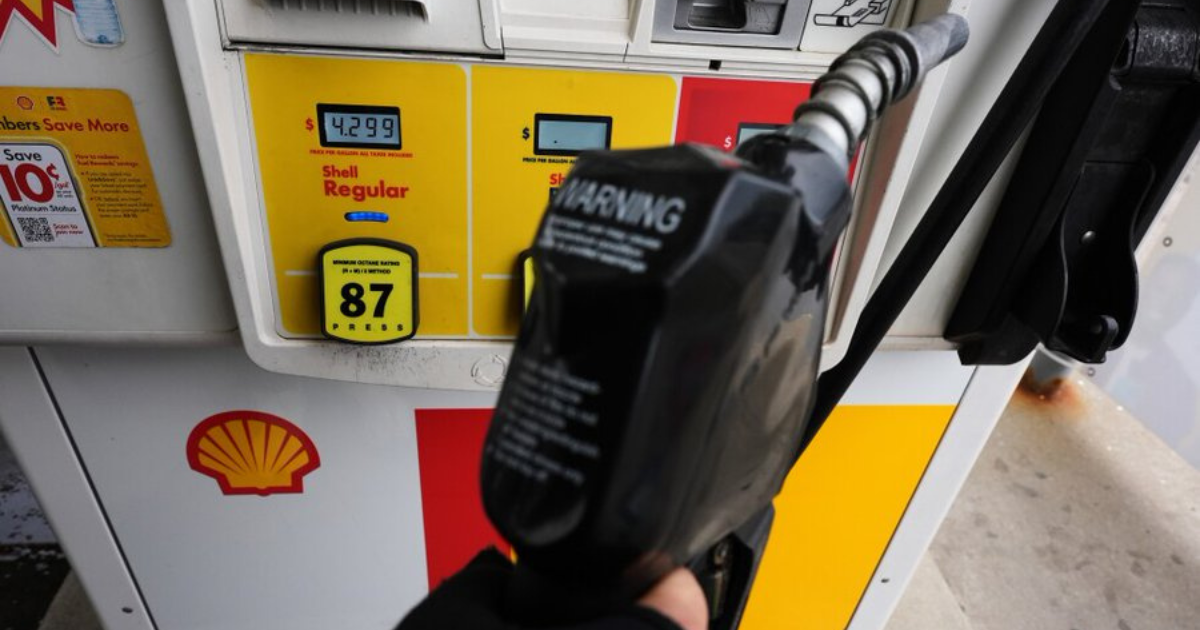
Energy markets showed strong reactions to the closure of the Strait of Hormuz. Brent North Sea crude rose 3.1 percent to $98.48 a barrel. The US Energy Information Administration continues to track these crucial fluctuations, though analysts note that prices remaining below the $100 mark indicates a cautious optimism that the conflict will not escalate further.
Wall Street indices reached their lowest points during the trading session. The S&P 500 and Dow Jones both shed 0.6 percent. The European markets followed this downward trend as London and Paris lost more than one percent while Asian markets finished the day with higher results.
Consumer Resilience and Federal Reserve Confirmations
The US economy showed unexpected strength during a time when gas prices increased and geopolitical conflicts created instability. The US March retail sales results which became available on Tuesday morning exceeded early expectations. The US Census Bureau delivers critical economic data which demonstrates how consumers are spending money.
Bret Kenwell, who works as a US investment analyst for eToro, explained that the data shows buyers in the market maintain their power to purchase despite ongoing news about international political conflicts. The analysts believe that if oil prices remain above $90 for an extended time period,then this situation will create an inflationary crisis which will disrupt global economic operations.
Investors paid close attention to the monetary policy confirmation hearings for Kevin Warsh, who President Trump nominated to manage the central bank. The Federal Reserve currently holds attention because market participants seek information about upcoming US interest rate changes which will occur during ongoing inflation threats.
During an occasionally tense hearing where he also faced questions regarding his personal wealth, Warsh vigorously defended his independence. He declared that the president had not asked him to establish any interest rate decisions before making his final decision which he would never accept.
Key Market Figures Recap:
Oil: prices increased by 3.1percent for Brent North Sea Crude which reached a price of $98.48 per barrel while West Texas Intermediate rose by 2.8percent to a price of $92.13 per barrel.
US Markets (Close): Dow Jones declining 0.6percent to 49,149.38 and the S&P 500 dropping 0.6percent to 7,064.01 and the Nasdaq Composite falling 0.6percent to 24,259.96.
European Markets (Close): London FTSE 100 declining 1.1percent and Paris CAC 40 dropping 1.1percent and Frankfurt DAX decreasing 0.6percent.
Asian Markets (Close): Tokyo Nikkei 225 rising 0.9percent and Hong Kong Hang Seng increasing 0.5percent and Shanghai Composite growing 0.1percent.
Currencies: The Euro/dollar exchange rate fell to $1.1749 and the Pound/dollar exchange rate declined to $1.3511 while the Dollar/yen exchange rate increased to 159.25 yen and the Euro/pound exchange rate decreased to 86.96 pence.