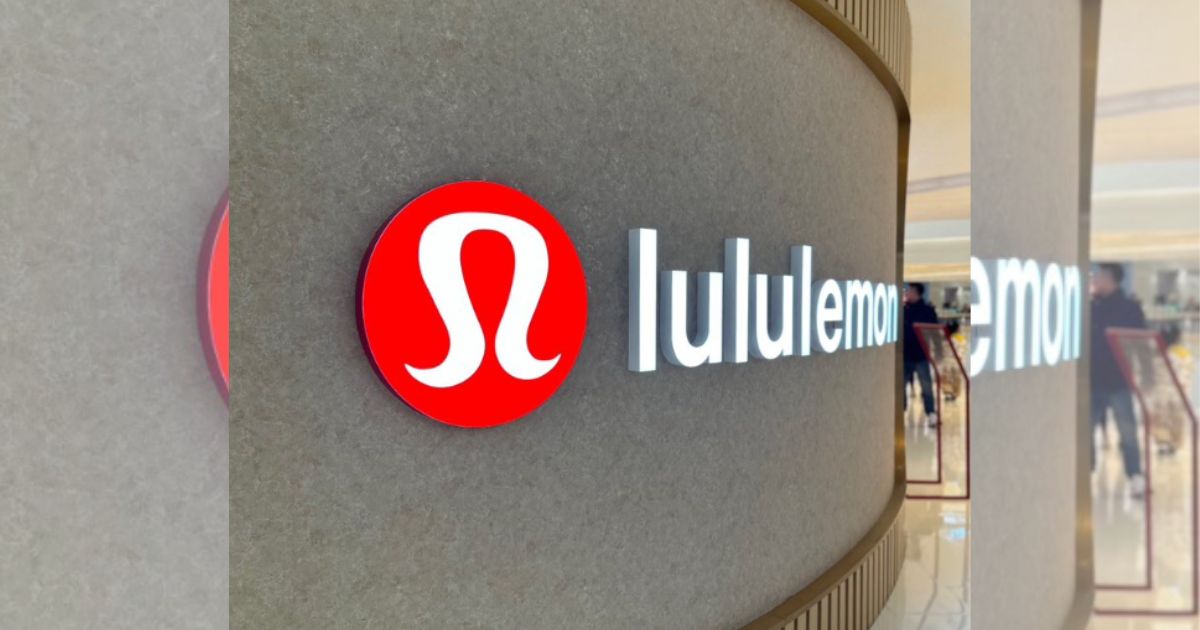
The Texas investigation into Lululemon Athletica Inc.’s clothing for the presence of so-called “forever chemicals” has triggered debate across a range of Chinese social media, highlighting risks to the brand in one of its key growth markets.
News of the probe, which is looking into whether the athletic wear from Lululemon contains polyfluoroalkyl substances, or PFAS, quickly spread online in China after Texas Attorney General Ken Paxton’s office announced it earlier this week.
Reactions have been quick and divided on an Instagram-like platform, Xiaohongshu, which is favoured by young urban consumers. Some customers asked themselves if they should stick with the brand, and others sounded more opportunistic, saying that the ruckus might mean that resellers will have to lower prices and they will get a discount, or that the dustup will alleviate their stock shortages of popular products.
The experience demonstrates the rapidity of sentiment changes in China’s very sensitive consumer market, even if the company will be found not guilty in the end. With these being some of the few brands that have continued to build momentum in the country since the COVID-19 pandemic, Lululemon’s reputation hit is a risky proposition.
This weakness is compounded by the company’s dependence on China as a growth driver. Lululemon reported in North America sales growth of approximately 30 per cent in the fiscal year that closed last Feb., although North America sales growth has slowed.
On Wednesday, Lululemon China responded to concerns about the safety of its products, stating in a statement that “All Lululemon products sold in the mainland are free of PFAS and meet relevant laws, regulations, and national and industrial standards.”
Earlier, Lululemon said it was working on the Texas attorney general’s investigation and was handing over documents, and is now saying that the company stopped using PFAS in fiscal 2023.
Lululemon’s status in the world’s No. 2 economy is responsible for the level of discussion. The company has benefited from a surge in interest in outdoor sports and fitness activity post-COVID, which has seen it beat most of the sportswear industry in China over the last two years. Shang Zhi Zhen data has seen it achieve double-digit growth in online sales for the past 12 months, outperforming its competitors such as Nike Inc, Adidas AG and domestic player Anta Sports Products Ltd.
Not everyone in China is scared. There was some discussion on social media about the fact that the chemicals in question can be found in many products and that an overreaction shouldn’t be made. After reading all these “food additives,” one Xiaohongshu person wrote, “I’m still alive and kicking. Why should I be afraid of an article of clothing that was put on outside?”
Some suggested that the investigation might be motivated by geopolitical or competitive reasons, citing conflicts with the United States and Canada, or possibly that there could be other competitive advantages for those who were investigating. But, there is still some consumer doubt regarding whether previous products may have had PFAS.
One person responded to the same tweet on the microblogging site Weibo: “Don’t put filters on bands, they are all the same. Of Lululemon’s high-dollar, high-quality yoga clothing, another added, “Thank God I can’t afford them. Poverty protects me.”