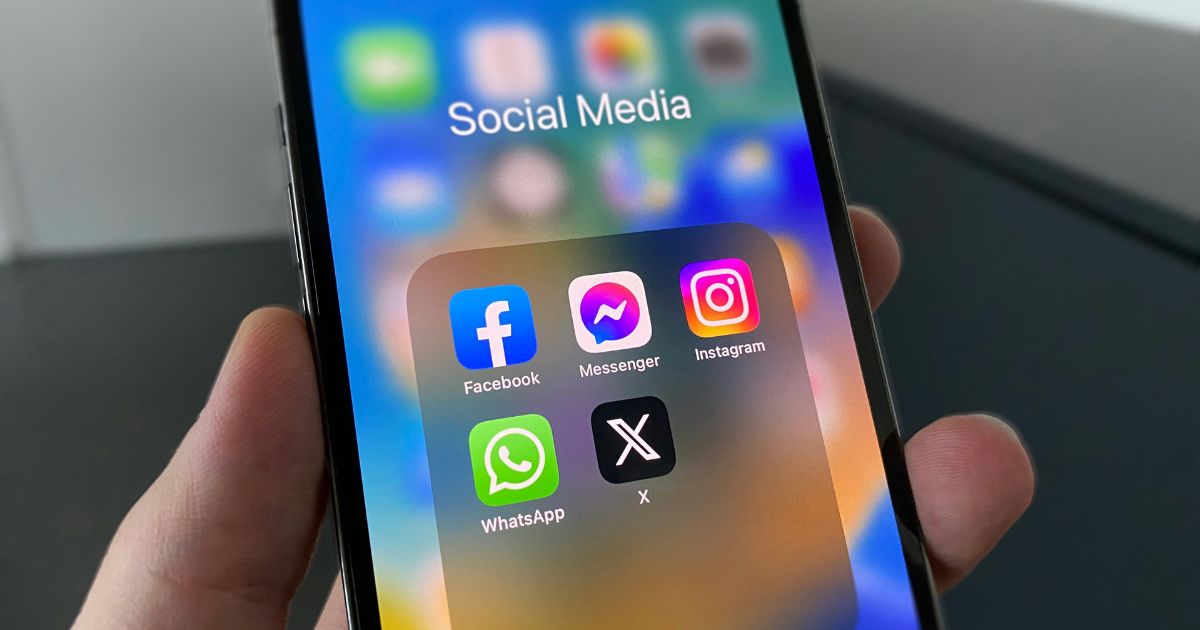
Prime Minister Kyriakos Mitsotakis announced on 8th April that, as of January 1, 2027, Greece will prohibit access to social media by children under the age of 15, alleging increasing anxiety, sleep disorders and the addictive nature of online platforms.
An opinion poll by ALCO published in February showed about 80% of those surveyed approved of a ban. The Greek government has already outlawed mobile phones in schools and set up parental control platforms to limit teenagers’ screen time.
Mitsotakis announced the decision in a video message, saying that “Greece will be one of the first countries to make such an initiative, and he had consulted with parents before making this announcement. I am sure, though, that it will not be the only one. We are aiming to take the European Union in the same direction.”
In December, Australia was the first nation in the world to restrict social media use by children under the age of 16, blocking TikTok, video-sharing platforms such as Alphabet’s YouTube, Instagram and Facebook run by Meta.
Meta, Snapchat and TikTok have expressed that they still thought that the ban would not help young people in Australia, but they would comply.
Greece cannot yet force those social media platforms to verify the age of its users, but it recommends that the platforms use mechanisms the EU and Greece have already set, the government said, urging parents to also assist the effort.
Starting January 1 2027, platforms will have to be capable of restricting users, or risk fines detailed in the EU Digital Services Act (DSA) up to 6% of their worldwide turnover, Digital Governance Minister Dimitris Papastergiou said.
The ban will be legislated by the parliament of Greece in mid 2026. Other nations are also restricting regulations on social media, including the United Kingdom, Malaysia, France, Denmark and Poland, which are either planning to ban or already doing so.
In a letter to the European Commission President Ursula von der Leyen that he wrote separately, Mitsotakis requested a concerted effort on the part of the European Union, claiming that a national effort would not be enough to safeguard minors against internet addiction.
In the letter, he suggested instituting an EU-wide “digital age of majority” at 15, requiring age checks and periodic re-checks on all websites, and creating a harmonised system of enforcement and fines, calling on the bloc to have a single system in operation by the end of 2026.
Australia is not as lenient on the issue as EU countries, State Minister Akis Skertsos said at a joint press conference.
He said, “EU legislation has a great influence on and is connected to national legislation. Unless there is an EU legislative framework, national legislation will be useless on its own.”