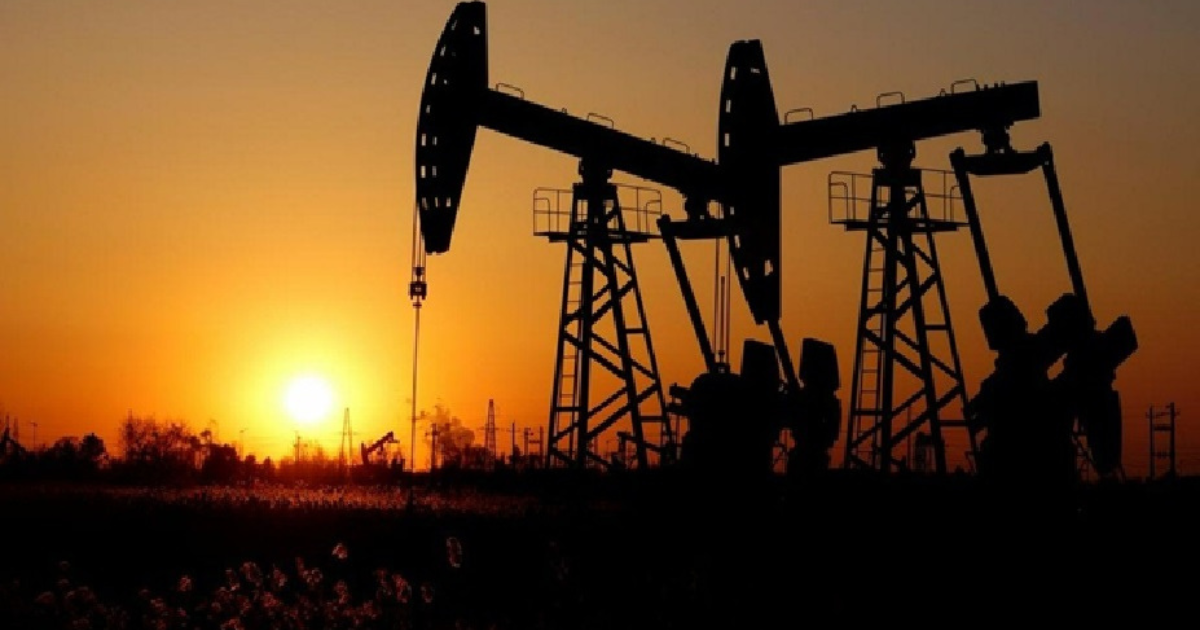
The financial markets of Asia-Pacific countries showed overall positive movement on Friday because international traders displayed a cautious optimistic sentiment. The Bank of Japan together with major regional financial centers and institutions demonstrated market progress yet the existing economic condition remains highly tense. International investors maintain their state of high alert because the United States and Iran have established a fragile two-week ceasefire which remains in effect. The unpredictable nature of geopolitical events has created ongoing price fluctuations in global oil markets which directly affect both regional trade predictions and the economic stability of nations.
Navigating a Fragile Diplomatic Truce
The ongoing violence in the Middle East conflict has now reached its second month. The hostilities in the conflict zone reached their most anticipated moment when fighting stopped. The U.S. President Donald Trump gave his order to stop all military operations against Iran from The White House on Tuesday.
The new approach to diplomacy obtained support from multiple countries in the region. International media sources reported that the Israeli Prime Minister’s Office leadership chose to follow the temporary ceasefire agreement after the United States stopped its combat missions. The synchronized fighting cessation presents a vital opportunity for peace talks, but financial experts doubt the truce will endure. The worldwide markets remain exposed to all sudden diplomatic failures because the fundamental issues that started the war remain unsolved.
Energy Bottlenecks at the Strait of Hormuz
The current market fears exist because of the major transportation problem at the Strait of Hormuz which remains unsolved. During the peak period of military conflicts, international ships could not use this essential energy channel. The ceasefire has been officially established but commercial shipping operations remain mostly inactive which creates severe disruptions to worldwide supply networks and causes major security concerns for International Energy Agency energy monitoring organizations.
The strait will only permit free navigation when certain conditions have been fulfilled. The Foreign Ministry of the Islamic Republic of Iran issued an official announcement which stated that Tehran would permit complete maritime access to commercial tankers at the vital shipping route. The reopening will take place only if military activities against the nation stop completely. The Asia-Pacific region will experience ongoing energy price fluctuations and economic challenges until all combatants establish safe and complete commercial access to the region.
The restoration of free navigation through the strait remains highly conditional. According to a formal public statement released by the Ministry of Foreign Affairs of the Islamic Republic of Iran, Tehran has pledged to fully reopen the vital maritime corridor to commercial tankers. However, this reopening will only occur as long as all military attacks against the country remain completely halted. Until full, unhindered commercial access is securely restored and guaranteed by all warring parties, the Asia-Pacific region will likely continue to face volatile energy costs and highly unpredictable economic headwinds.