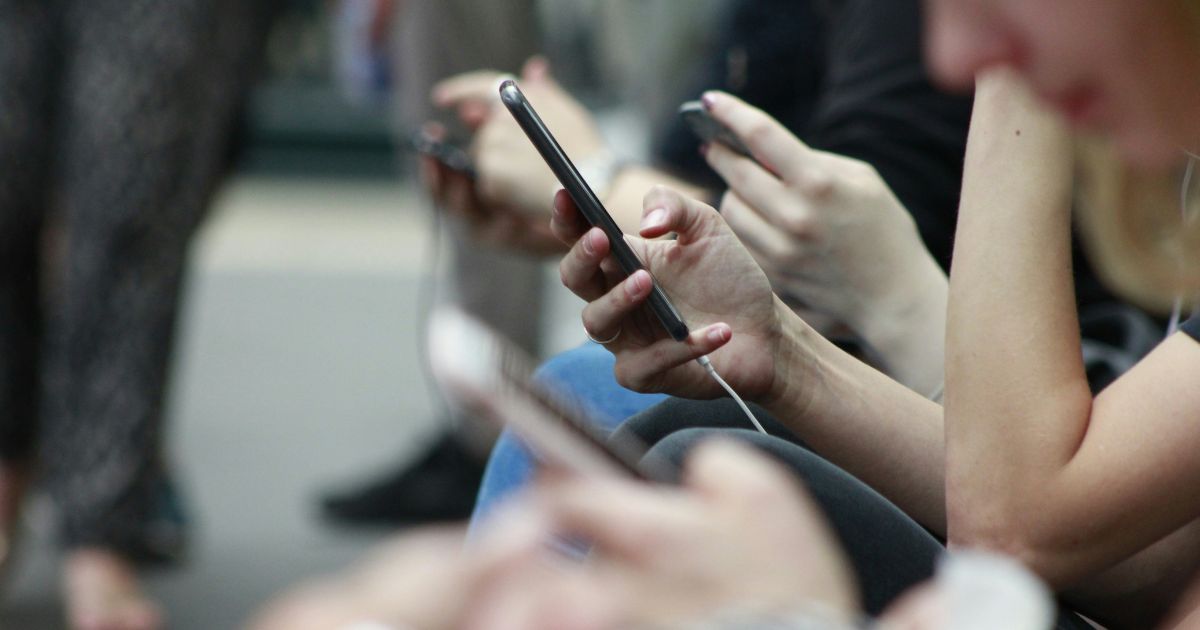
Social media has been a way of life for a lot of people, and particularly Gen Z, with Instagram, TikTok, Snapchat, and X dominating their lives in terms of communication, entertainment, and self-expression. But a growing number of youth are now making a conscious effort to quit the endless scrolling and find what many have been looking for for years: Peace of mind.
There is a growing movement to disconnect from technology, or “digital detox,” among all age groups, particularly Gen Z and older adults. As mental health, online toxicity and digital overload issues grow, people are limiting or cutting down on screen time, deleting social media apps and even making the leap to simpler phones.
The Break from Non-stop Connectivity
Social media has flourished for years based on engagement. Users were engaged for hours a day on the screens with notifications, short videos, trending debates and algorithm-driven feeds. But today, many people complain that it’s not a fun experience; it’s a work experience.
Many are reconsidering their online habits, due to political arguments, misinformation, online comparisons and the pressure to be constantly available. Research has also revealed increased anxiety, loneliness, decreased attention span and sleep disturbance associated with overuse of social media.
This has created a huge discussion on digital well-being, particularly among younger audiences who have never experienced a time without smartphones.
Gen Z Is Leading the Digital Detox Trend
One fact that may come as a surprise is that Generation Z, who are so synonymous with social media culture, are also one of the strongest contributors to our shifting away from social media.
Far too many youthful adults express that they are fed up with the curated online lives, constant comparisons and a constant need to be online. Too many young adults complain about the curated online lives, constant comparisons and the need to be online all the time. Rather, they are focusing on relationships in the real world, their hobbies, privacy, and clarity of thought.
There are some removing applications altogether, and other companies are using screen time settings or setting apps “offline” times. Once, people were staying online because they feared missing out on something; this is now changing to a desire for balance.
This change is part of a general trend in which people are better understanding that they can’t always feel happy or connected when they’re online, experts said.
The Rise of Dumbphones and Minimal Tech is a must-see. The Rise of Dumbphones and Minimal Tech is a must-see.
The Rise of Dumbphones and Minimal Tech
These devices, as opposed to smartphones, are primarily designed for phone calls, text messaging, maps, alarms and several key applications. They knowingly take social media addictive features away, but still give the user the opportunity to maintain their reach.
The smartphones and tech products have had their heyday, and now there is a growing trend amongst the students, professionals, as well as parents who want to cut down on their dependence on digital gadgets—hence the rise of affordable dumbphones and minimalist tech products. People report that simpler devices help them to be more present, focus more and spend less time mindlessly scrolling.
There are digital detox communities, too, and offline challenges, which are gaining traction both online and offline, that challenge people to have one day — or even one week — without social media.
Social Media Use Is Slowly Declining
This month’s published research indicates that social media engagement might not be increasing at the same rate as it was before. Research shows that users are posting less and in some instances, deleting platforms.
Meanwhile, the internet has become more emotionally charged and divided. Many users feel drained and fatigued after spending time online, as these feeds may be dominated by angry posts, debates and algorithm-generated outrage.
This has driven the adoption of a more digital-healthy lifestyle, from spending more time outdoors, reading, exercising, to engaging with communities in real life.
The Way to the Real World
The trend is thought to be part of a cultural change by psychologists. In an era of hyper connectivity, there’s a growing recognition of the value of having privacy, slower routines and interacting with people in person.
It has become common in recent times that people actually take a break from social media use, especially among young people. On the contrary, it can be considered as taking care of oneself and exercising control over oneself.
While it looks like social media isn’t going to disappear at all anytime soon, it can be realized that people have started being conscious about its use.
As it has become inevitable for people to live around screens almost every time, it has become increasingly essential to disconnect oneself from time to time to connect better.