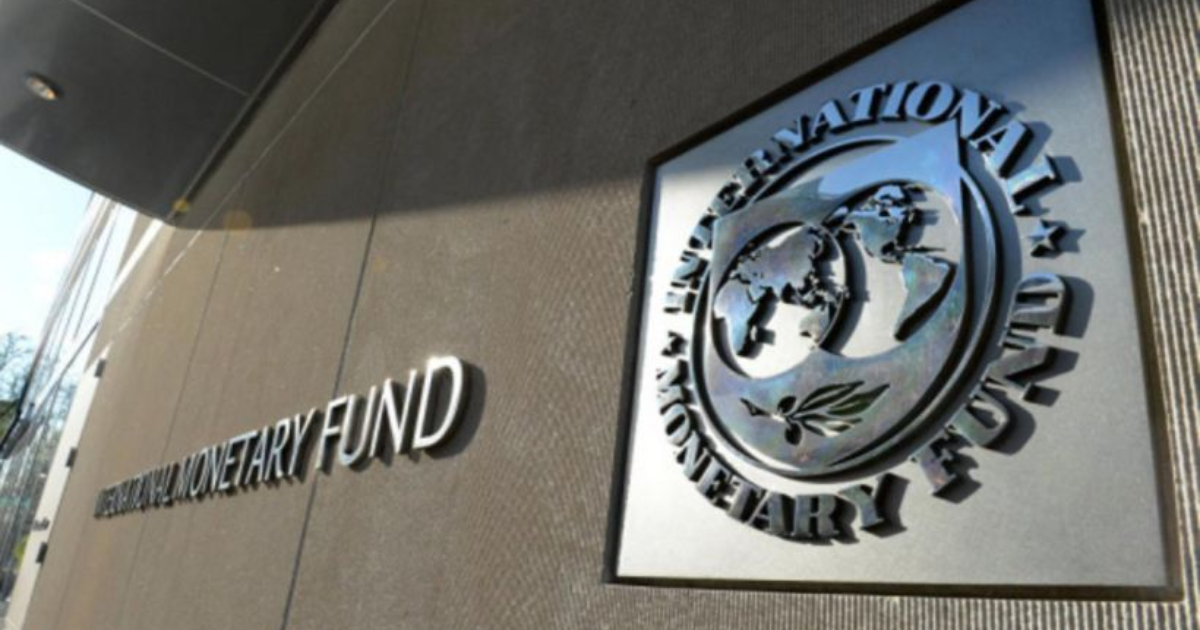
The International Monetary Fund (IMF) has officially approved to release the second tranche of financial help to Ukraine. The approval, which was made on July 20, paves the way for Kyiv to receive $690 million, despite the fact that the country failed to achieve all of its initial loan goals.
This is one of Ukraine’s second wartime IMF loan agreement, a four-year programme that will disburse a total amount of $8 billion to Ukraine in the war. In its recent press release, the Washington-based lender said its “broadly satisfactory” view of Ukraine’s economic performance. The organisation, however, at the same time highlighted a number of key conditions which were finished late, or not at all.
Such constant inflows of foreign money are vital to Kyiv’s finances. Ukraine will receive the delay in payments as it undertakes a series of key reforms to combat corruption, address tax evasion and lift the veil of the shadow economy.
Balancing Economic Reforms and Wartime Resilience
In the first few months of 2026, the Ukrainian parliament found itself in a difficult situation in trying to pass a number of conditions due to widespread public opposition. The most controversial measures were a series of new taxes to replace VAT exemptions for the self-employed, tax on small imported parcels and the tax on gig economy platforms such as Uber.
The IMF was recognising these domestic challenges and granting delays for the implementation of these taxes to come later in 2026 and 2027. IMF Managing Director Kristalina Georgieva commended the country’s resilience in face of Russia’s devastating attacks and emphasized that implementing reforms is extremely critical to observe.
After the announcement Ukraine’s new government, led by Prime Minister Serhii Koretskyii, reiterated its commitment to the process. He stressed that such pillars’ changes are crucial for access to external financing, long-term economic growth and finally the country’s accession to the European Union.
This was echoed by the head of the ministry of finance, Serhii Marchenko, who said there is a lot of work to be done to collect domestic revenues. In the near term, cash support from the IMF is not the biggest, but it’s a steady help to give other international investors confidence in helping to rebuild and sustain Ukraine’s economic pillar.