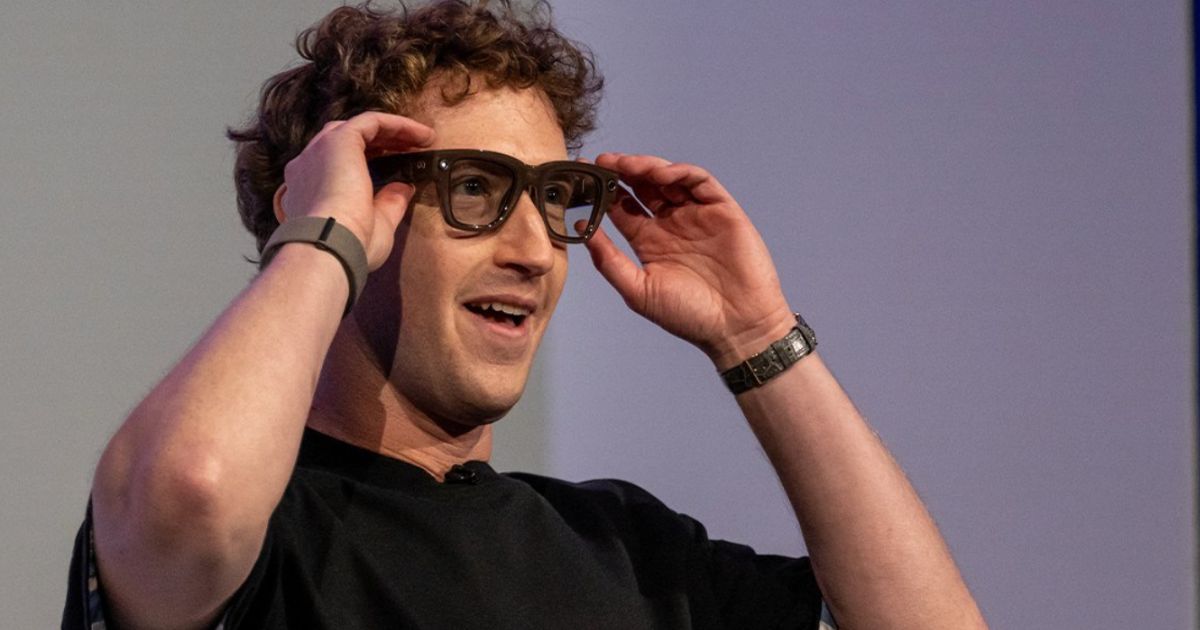
Despite the rise in popularity and concerns over privacy, consent and secret recording, AI-enabled smart glasses are gaining traction in Europe. One of the most recent advancements in wearable technology, the devices can capture photos, record videos, make phone calls, listen to music, translate text and communicate with AI assistants.
Smart glasses have come of age following a couple of previous efforts that failed to catch on. These newer models that are powered by AI are gaining traction, with tech giants pouring money into the category. The expansion has also raised questions about the possible uses of the devices in public areas.
Covert Recording is one of the primary problems. Smart glasses are different to smartphones, enabling people to capture images and videos without them being visibly in their hands. It has been stated that there is a lack of protection especially for women and children who do not wish to be captured on camera. There have been cases where people have been recorded without their consent and this has brought about the need for protection.
Another worry is the prospect of facial recognition being introduced. A coalition of privacy activists and some members of the legislative body worry that AI-powered cameras could allow easier identification of individuals in public spaces and greater collection of data about them without their knowledge.
Now, policymakers in Europe are considering whether current privacy and data-protection laws are adequate for the new technology. There’s been a call for more vigilance, and lawmakers have asked for more clarity on recording, facial recognition, consent and personal data usage.
Some restrictions have even been taken into account or implemented locally. The developments highlight broader questions regarding the impact of wearable AI devices on privacy expectations in the school, work, retail and other public settings.
On the other hand, technology firms are making efforts to minimise misuse. One feature is that of visible recording indicators, which will alert people when the glasses are recording images or video. Businesses say such protections could deter people from covertly recording others.
Campaign groups are nonetheless urging for greater safeguards, and sometimes for restrictions on sales or use. Beyond the individual recordings, they fret about all of this becoming more commonplace in daily life.
The discussion is expected to expand with the increasing adoption of AI glasses. Now, Europe is tasked with finding the balance between technology and privacy, consent, and protections for personal data. Such actions on the part of the regulators may also shape the development and use of other markets involving AI-powered wearable devices.