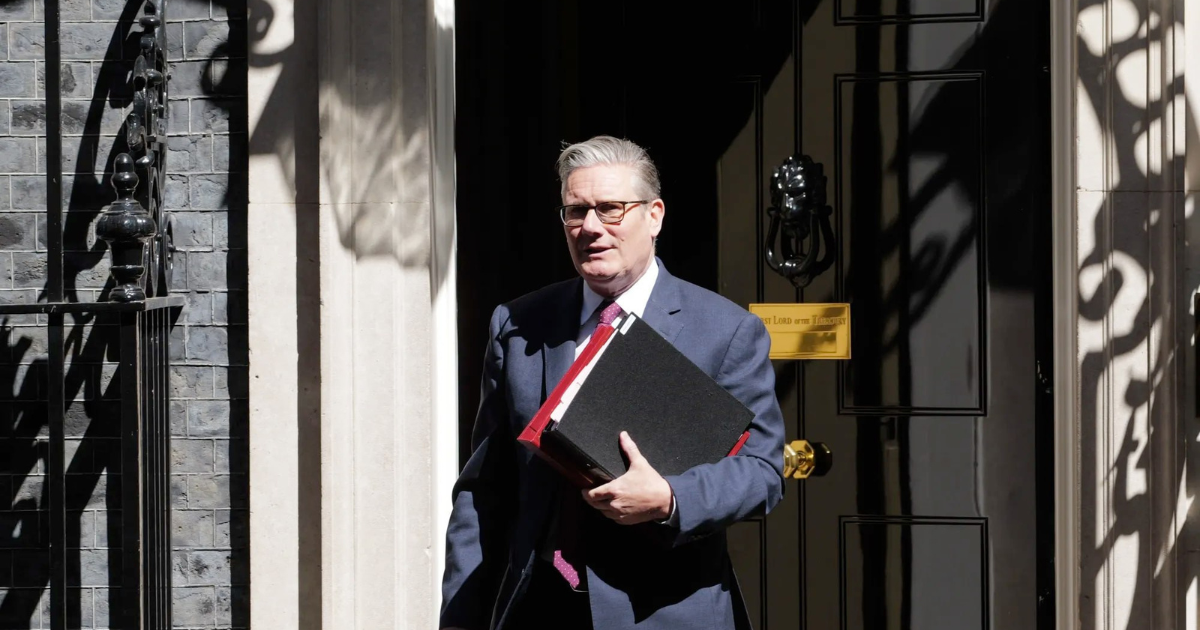
British Prime Minister Keir Starmer has said he will stick around in office and actually follow through, even after the Labour Party took some pretty hard knocks in the recent local and devolved elections. It’s kind of wild, because it’s just two years since that historic sort of landslide general election win but this time the governing party’s backing, sort of, fell away in its old reliable areas across England, Scotland and Wales.
Those results are staggering, and they point to a wider public unease with the current administration. This unease seems tied to a stubborn cost-of-living squeeze and several political controversies in a row. Even with his approval going down, Starmer maintains that he will not just walk out or abandon the mandate he got in the first place.
Insurgent Parties Fracture the Political Landscape
The election results show, like really clearly, a sharp turn away from Britain’s long-standing two-party system. The main winner of all that voter disappointment was Nigel Farage’s Reform UK; it basically surged to win more than 1,000 council seats just in England alone. And now the populist party could even end up as the main opposition in both Scotland and Wales, which is kinda something.
Voters pretty much punished the sitting government in the old industrial districts, and yes, even in the capital. In a bit of a historic upset, Reform took charge of the London borough of Havering, and also managed to wipe out Labour’s familiar hold on Wigan. At the same time, the Green Party clawed forward with some real progress, including securing the mayoralty in Hackney, a place that usually leans Labour, to be fair.
Elsewhere, nationalist groups dominated the devolved legislative votes. The numbers suggest the Scottish National Party (SNP) has moved ahead decisively in the Scottish Parliament, and Plaid Cymru secured the most seats in the Welsh Senedd without much hesitation.
Internal Pressure and the Prime Minister’s Response
Even with what pollsters say is Labour’s worst local election showing since 1995, Starmer is, sort of still defiant. When he spoke to supporters in Ealing, which is one of the rare places where Labour kept control, he basically took the blame for the losses. He said his administration had made “unnecessary mistakes” but then went on to promise he’ll keep pushing, and to double down on measures meant to steady the economy.
Oddly enough, markets seemed to like the message. Sterling edged up, while government borrowing costs eased, as if the whole thing landed well with investors. Still though, Starmer’s own political position inside the party looks extremely shaky.
And while top figures, like Defence Minister John Healey, have publicly batted away talk of a messy leadership contest, the rebellion is building. More than 20 Labour lawmakers have now asked the Prime Minister to seriously think about his position and set out a clear timeline for stepping aside. They also raise doubts about whether he can actually guide the party into the next general election, due in 2029.