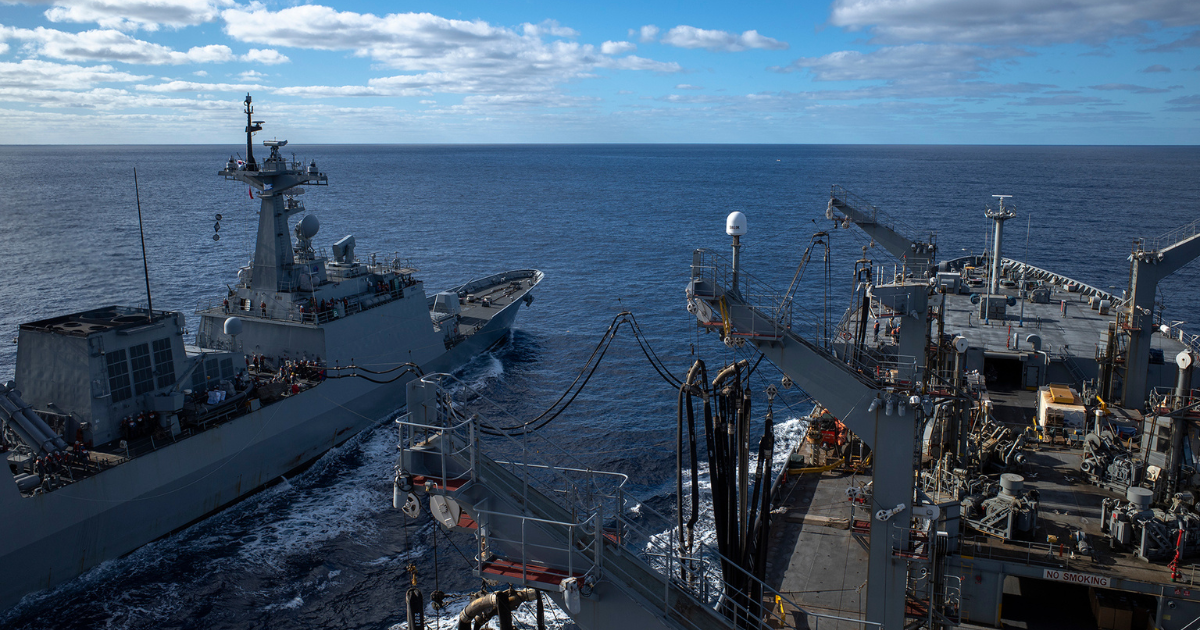
A 4,400-ton South Korean destroyer has officially left a naval base near the southeastern city of Busan. The ship is starting a rotating mission cycle for a mission abroad along the coast of Somalia, you know, as part of the naval schedule and all.
The Cheonghae Unit’s Current Anti-Piracy Mission
The ROKS Wang Geon destroyer is heading out to serve with the Cheonghae unit, which does really crucial anti-piracy work in the Gulf of Aden. Per the Republic of Korea Navy, this is the ninth overseas mission for this particular ship, and also the 48th vessel going out under the Cheonghae umbrella.
About 260 troops are on the roster for a six-month tour in the Gulf. This well-drilled group includes the destroyer crew, a specialized boarding team from the naval special warfare flotilla, and an aviation detachment that runs Lynx helicopters.
Mainly, the unit’s job is to escort South Korean civilian ships safely, but they also help with broader international maritime safety, plus anti-terror activities. To get ready for modern situations, the team recently ran air defense drills and bolstered its counter-drone setup. And if the moment calls for it, the contingent can carry out maritime security actions with the Combined Maritime Forces and other outside partners.
Potential Expansion into the Strait of Hormuz
While the Cheonghae unit’s current operational scope is mostly restricted to the waters off Somalia, officials admit there is a chance it could go further, like into the Strait of Hormuz. If they do, a geographical expansion of the mission would have to be made official by the government, meaning they would join U.S.-led maritime efforts first, and then get formal approval from South Korea’s National Assembly.
The destroyer’s departure is coming in the middle of rising speculation that the unit might soon back multinational actions, for instance, the U.S.-led Maritime Freedom Construct, which is meant to help restore secure shipping passage through the Strait of Hormuz. That key oil corridor was effectively stalled in late February, after U.S.-Israeli strikes against Iran.
U.S. President Donald Trump has kept pressing international partners, including South Korea and Japan to help keep the waterway in order. During recent talks at the ministerial level at the U.S. Department of Defense, South Korean Defense Minister Ahn Gyu back-talked through the matter with his U.S. counterpart, Pete Hegseth.
Speaking on behalf of the Ministry of National Defense, Ahn confirmed that Seoul is, right now, actively looking at options to make “phased” contributions to Washington’s initiative, though the way it should be done is still under review. In practice, those contributions could span from a formal acknowledgment of support and the exchange of intelligence to sending tailored experts and military assets to the area.