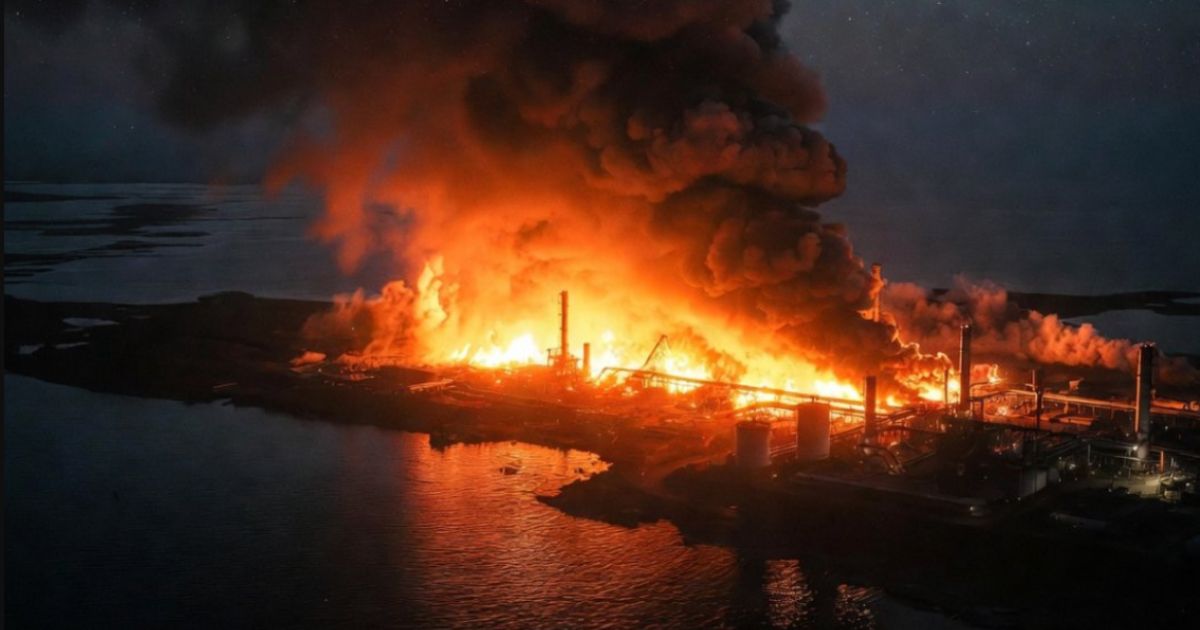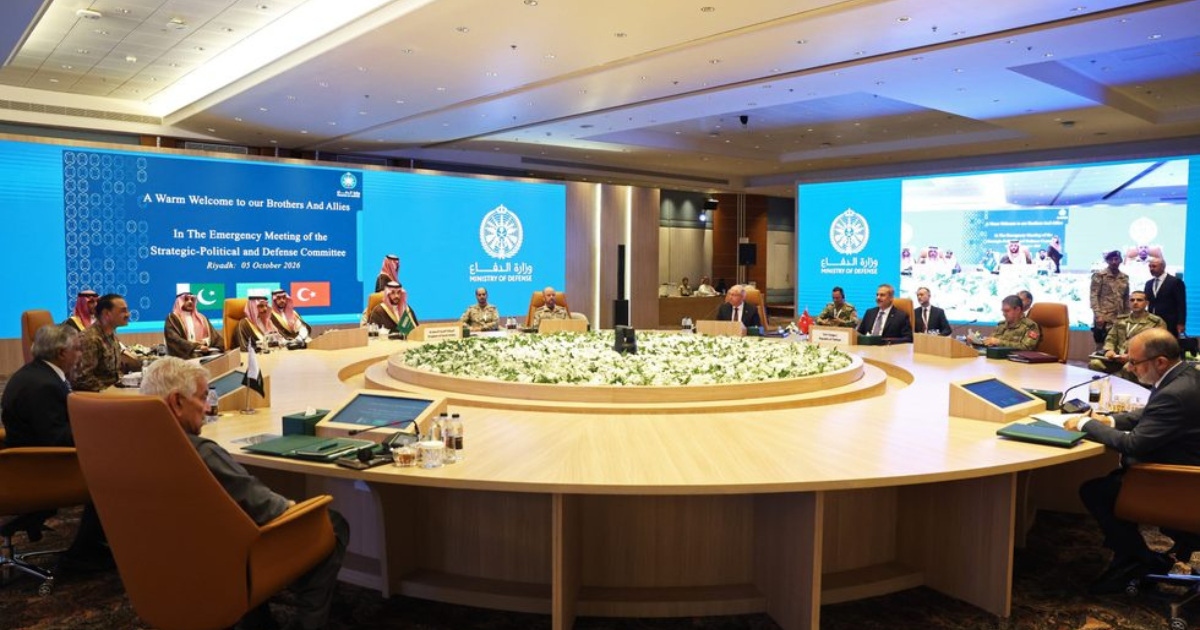
KSA, Turkey, and Pakistan are to hold a high-level military meeting under a military agreement. The coordinated response comes after a string of strikes by the Houthis against the Saudi-backed government in Yemen, and repeated Houthis missile attacks against Saudi territory have thrown wrench into oil supply lines from the world’s biggest oiler.
Yemeni Houthis’ recent barrage of dozens of missiles and drones against Saudi targets triggered emergency alerts in the holy city of Mecca, Jeddah and the vital Red Sea oil port of Yanbu.The Houthis recently struck Saudi targets with dozens of missiles and drones, triggering emergency alerts in the holy city of Mecca, Jeddah and the critical Red Sea oil port of Yanbu. Said authorities have managed to intercept successfully six ballistic missiles. Saudi Arabia’s Grand Mufti urged its army forces to be ready to sacrifice themselves if needed to protect the kingdom against the Houthis until they are removed.
After these occurrences, the Foreign Ministers of the three allied countries met in the body of the Mecca Joint Defense Agreement. The Ministry of Foreign Affairs in Saudi Arabia condemned the attacks on civilian sites in its statement and affirmed the kingdom’s right to self-defense against those attacks. The agreement makes it clear that if one member is attacked, all are attacked.
The Ministry of National Defence of the Republic of Türkiye stated that Chief of General Staff Gen. Selcuk Bayraktaroglu would meet his Saudi and Pakistani counterparts in Saudi Arabia to discuss the issue with them and work out a strategy for the defense. During these diplomatic engagements, a commitment was also reiterated to work on the joint treaty by representatives of the Ministry of Foreign Affairs of Pakistan.
The small skirmishes are a component of a broader Middle East conflict that has erupted since U.S. and Israeli attacks on Iran earlier this year. In a recent speech at the UN General Assembly in New York, Iranian President Masoud Pezeshkian has tried to sever ties with the Houthis, claiming the group has been solely responsible for its own actions.
Iranian allied groups are very active throughout the region, even though the US and Iran have ceased direct fighting. Hezbollah conducts itself against Israel in Lebanon and Houthis advance in Yemeni Red Sea coast. The offensive is reportedly being carried out under the direct supervision of Iran’s Islamic Revolutionary Guard Corps (IRGC) and is aimed at asserting Tehran’s influence in the region, security experts and regional sources state.
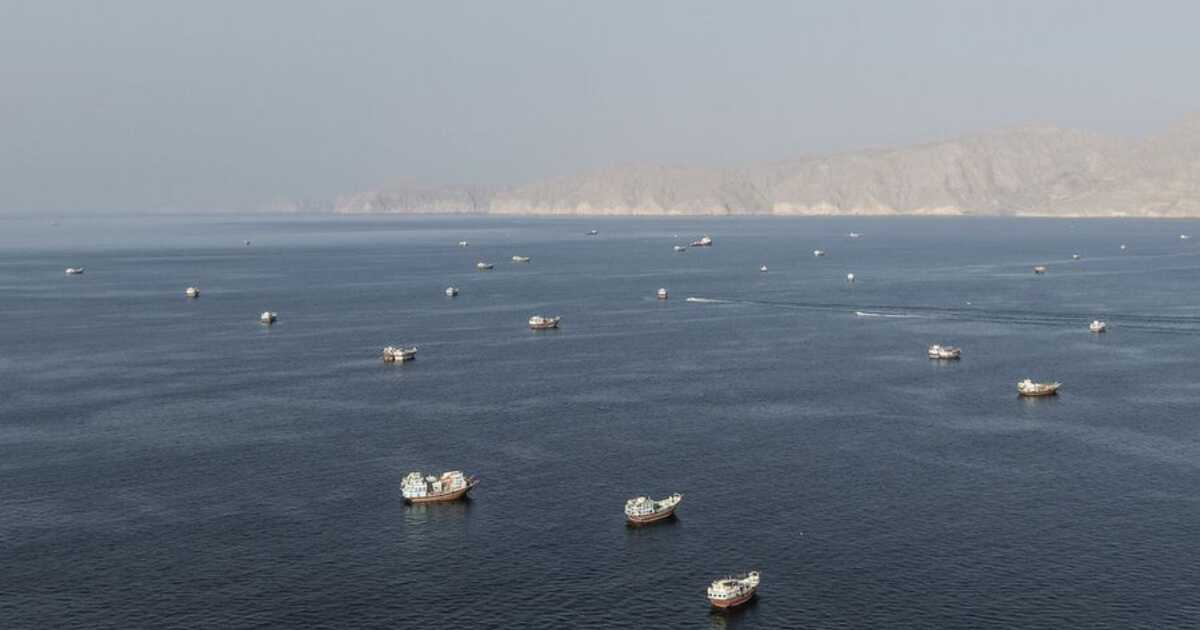
The region’s instability has hurt the world energy markets greatly. Maritime trade has dropped to half its normal average due to Houthis’ disruption of the Red Sea and tanker restrictions in the Strait of Hormuz, imposed by Iran. Recently, Iranian authorities have offered a temporary seven-day truce in the conflict and the restoration of the Strait of Hormuz, if the US removes its blockade, unfreezes Iranian money and waives oil sanctions.
Washington’s strategy is shifting from battlefield to economic pressure as progress on the battlefield slows down. The U.S. Department of the Treasury has been adding secondary sanctions against third-party companies from other countries that transact business with Iranian companies. The policy change has so far resulted in the exclusion of Iranian airlines from airspace over neighbouring countries and could further intensify economic sanctions against Tehran after its seaports have been in a blockade since February.