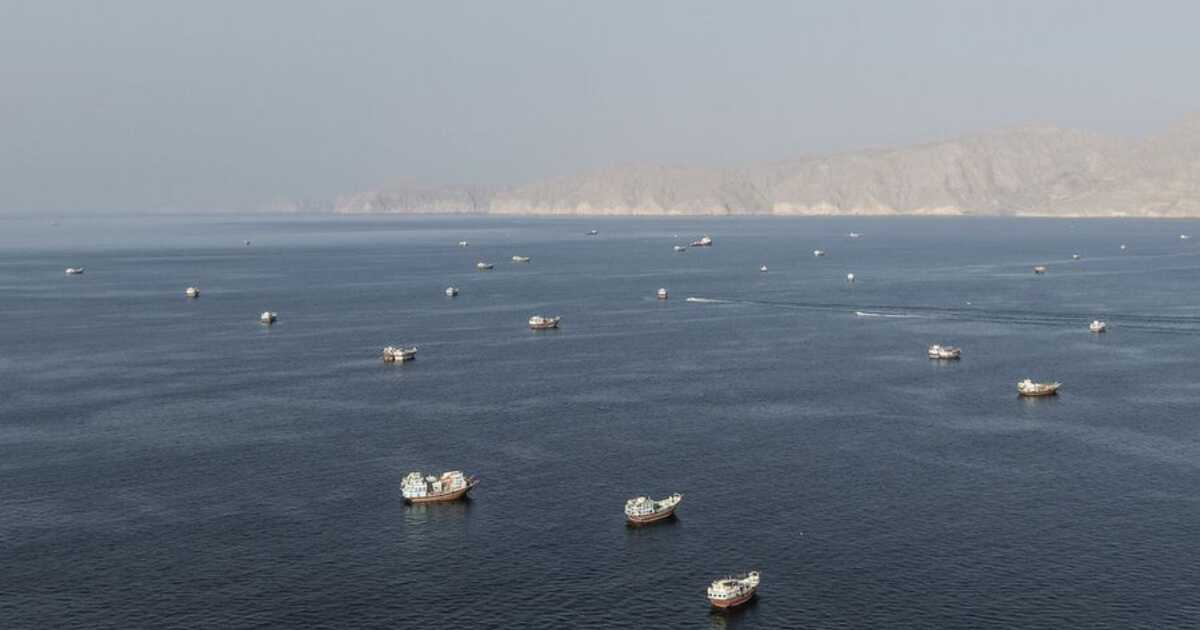
Tehran had proposed to reopen the Strait of Hormuz to commercial shipping within seven days, and Trump has now officially rejected the offer. From the White House, Trump rejected the proposal, saying the U.S. is totally in control of the lifeline waterway and that Iran’s leadership is interested in a deal because it is “losing so badly.
Iran’s Foreign Minister Abbas Araghchi presented the proposal to the United Nations in New York, which was contained in a 14-point memorandum of understanding (MoU) that was signed in Pakistan in June. The initial goal of this deal was to establish a broad ceasefire, remove the U.S. naval blockade of Iranian ports and agree to a declaration from Tehran never to develop a nuclear arms.
In a Telegram message, Araghchi responded to Trump’s rejection, condemning his “contradictory statements” and stating that Iran will await formal communications from international mediators before making its next move. If the US keeps to the original framework, the situation would become normal in the maritime domain, Iran’s President Masoud Pezeshkian said. Former national security officials, however, say the US considers the MoU a very bad deal, and Trump has told his staff that he’s more willing to resume his bombing campaign than to resume a treaty.
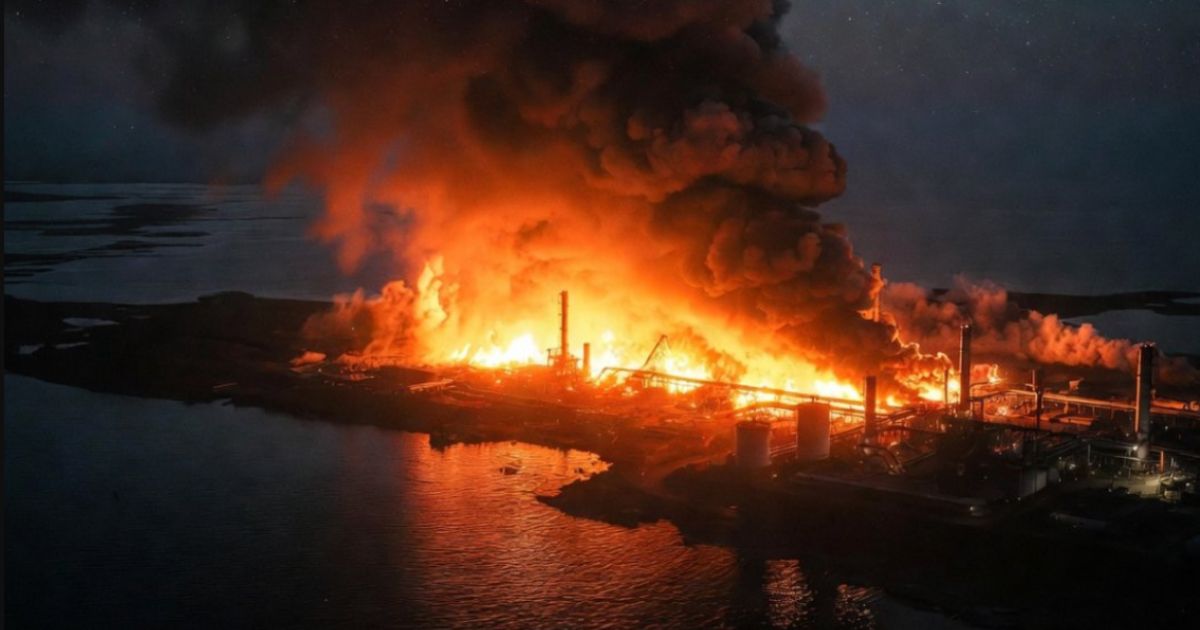
Both countries returned to direct military strikes and the June MoU collapsed. Iran has recently targeted vessels that have tried to go through the strait without authorization and retaliated against the US and Israeli bases in recent months. The U.S. Department of Defense, on the other hand, has continued its naval siege of Iranian ports and launched specific strikes on Iranian facilities and ships, inflicting major setbacks on the Tehran economy.
The conflict has virtually shut down the Strait of Hormuz, which serves as a fifth of all oil and gas moves throughout the world. New shipping figures show vessel transits have dropped as low as nine a day recently. The resulting wild swings in global energy prices are putting tremendous pressure on the Trump administration, particularly in the run-up to high-stakes elections in the U.S. Congress this November.
The instability has also reached the other side of the Arabian Peninsula as well. Houthis, backed by Tehran, have stepped up their attacks on Saudi oil shipments through the Red Sea, most recently capturing key Red Sea ports, including Mokha, close to the Bab al-Mandab Strait. Saudi Arabia’s Ministry of Foreign Affairs (MFA) and the Saudi government have reportedly asked Washington for more military assistance to meet the rising threat, after intercepting several ballistic missiles and drones targeting their territory.
Trump at this UN General Assembly suggested that a “sustainable deal” may be possible only after the Nov. elections, and was puzzling over whether to “annihilate” and “rebuild” the Islamic Republic, especially as it crossed the border to become much harder to contain. In a strong response, Araghchi said that threats of wholesale destruction could not lead to creating enduring peace.