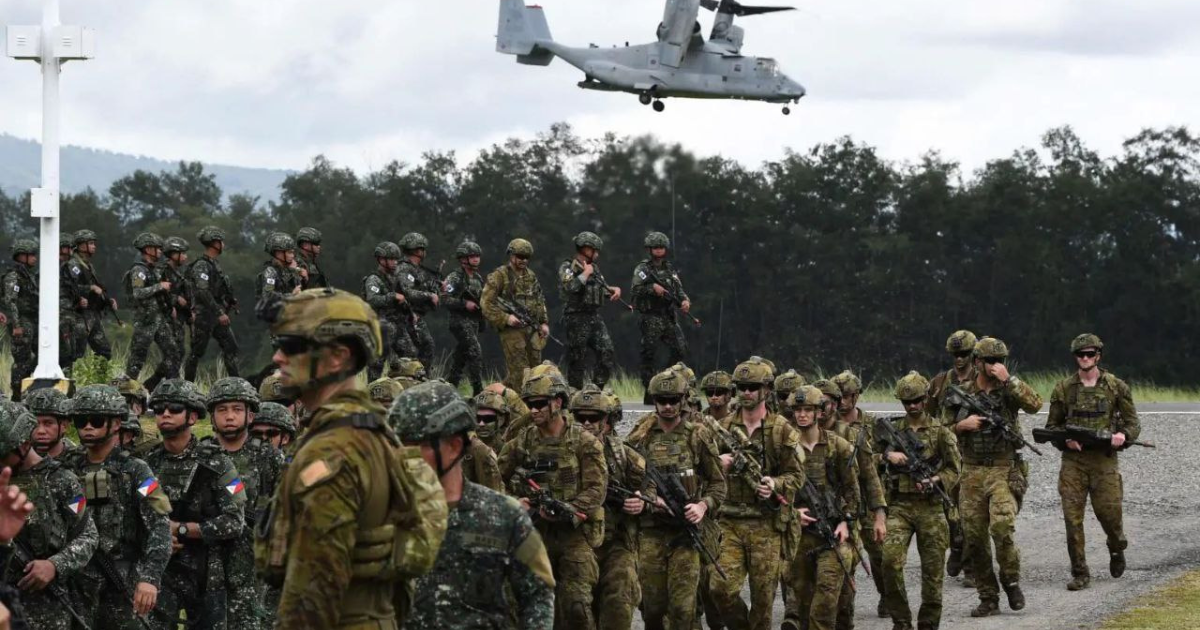
The Philippine Army and the Australian Army have stepped up their training efforts in Camarines Sur, with troops from both sides carrying out more joint training exercises. The strategic activities are part of the continuous Philippines-Australia Army-to-Army Exercise (PAAAE) or KASANGGA 2026-1.
The Kasangga translates as “ally” or “partner” in the Filipino language, and this is a regular military exercise that is bilateral. According to officials, the event offers a priceless opportunity for both countries to share knowledge and gain an understanding of the other’s tactical operations.
Advancing Bilateral Interoperability and Combat Readiness
The main aim of KASANGGA 2026-1 is to ensure a smooth increase in the interoperability of the two allied forces. At the same time, the drills will help to achieve optimum operational readiness in all combat and support missions.
Comprehensive Warfighting Exercises
Rigorous demolitions range training of participating forces is undertaken for the safe handling, placement, and detonation of explosive charges for use in the breaching operations. Also, troops conducted complex armor operations and advanced gunfire training exercises at the Magtuto Firing Range in Naga City.
A great training program also took place on a wide range of specialized battlefield skills. Military technicians conducted hands-on jungle operations, conducted map theory classes, and participated in advanced command and control communications with Blue Force Tracking systems. Additional training involved mortar gunnery, Tactical Combat Casualty Care (TC3), and Force Training Unit activities.
Strategic Shift to External Defense
The intensive course training is directly aligned to the Department of National Defense’s strategic priorities and to the overall Armed Forces of the Philippines strategic priorities. The Philippine military is at a crucial period of transformation to External Security Operations to meet international security challenges.
The Philippines is continuing to strengthen its territorial defense capacity through regular training with allied institutions, such as the Australian Department of Defence, as well as contributing to regional security cooperation.