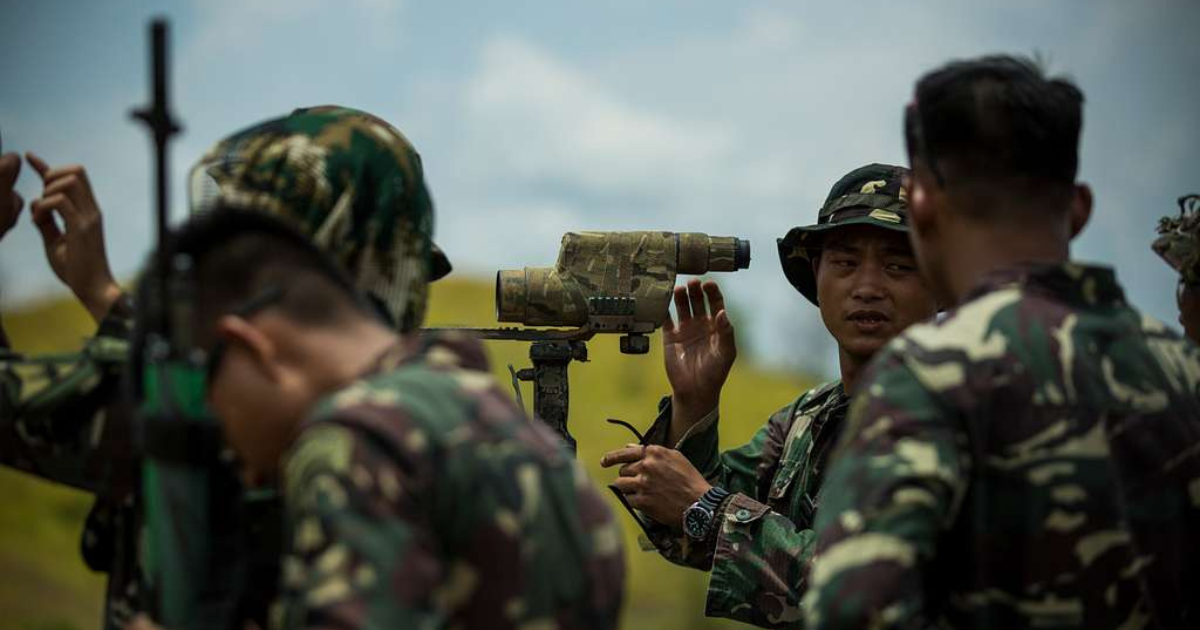
After a long campaign of 15 months, Myanmar’s military say, it has successfully reclaimed a key transportation route up north. This was announced on Thursday, and well, the details sounded pretty settled, as if the whole thing had just been inevitable. The win is a major blow to the insurgents who have been pitting themselves against the government since the 2021 military coup.
The Reopening of the Mandalay-Myitkyina Route
The recaptured road connects Mandalay, which is the second biggest city in Yangon, with the northern town of Myitkyina, only 50 km from the Chinese border. The Association of Southeast Asian Nations (ASEAN) member country has been flooded with extreme violence along this corridor since the past one and a half years, between government troops and a group of pro-democracy guerrillas and the armies of ethnic minorities.
The ministry’s official statements and others, including sources in the Ministry of Information of Myanmar, report that 322 major and minor military engagements were used in the wide-ranging operation. The C-in-C’s office said the bodies of 138 rebels were recovered. The military admitted that its own personnel made the “ultimate sacrifice” but didn’t provide exact death tolls. International news agencies quoted as saying they could not immediately prove the claims of the battlefield independently.
Although they have enjoyed some successes in their big push of late in 2023, opposition forces have recently become fragmented and faced significant losses. The military says the successful clearance of this corridor will give a chance to regional trade to flow freely and efficiently again.
Evolving Political Dynamics and China’s Regional Influence
Changes in the balance have occurred on the battlefield and seem to be closely related to the diplomatic and strategic machinations of neighboring China. Researchers believe that Beijing allowed the late-2023 rebel attack in order to protect its border interests. Later, Beijing intervened in the conflict, however, under the guidance of the Ministry of Foreign Affairs of the People’s Republic of China (FMPRC), in order to prevent Myanmar from turning into a failed state, it had its closest attempts to make truces with some of the ethnic minority armies.
These ceasefires left lesser-trained pro-democracy allied forces very exposed and on the defensive. At the same time, China has been supportive of Myanmar’s recent elections that saw its politicians who are pro-government and military-aligned walk away with a walkover victory.
The new civilian president, coup leader Min Aung Hlaing, has been recently sworn in after five years of ruling as the chief of the armed forces. International observers and bodies, including the United Nations, have mainly dismissed this political change as a mere cosmetic change of the military regime. But the government is taking decisive steps to boost cross-border trade with China and boost stalled energy and transport infrastructure initiatives.