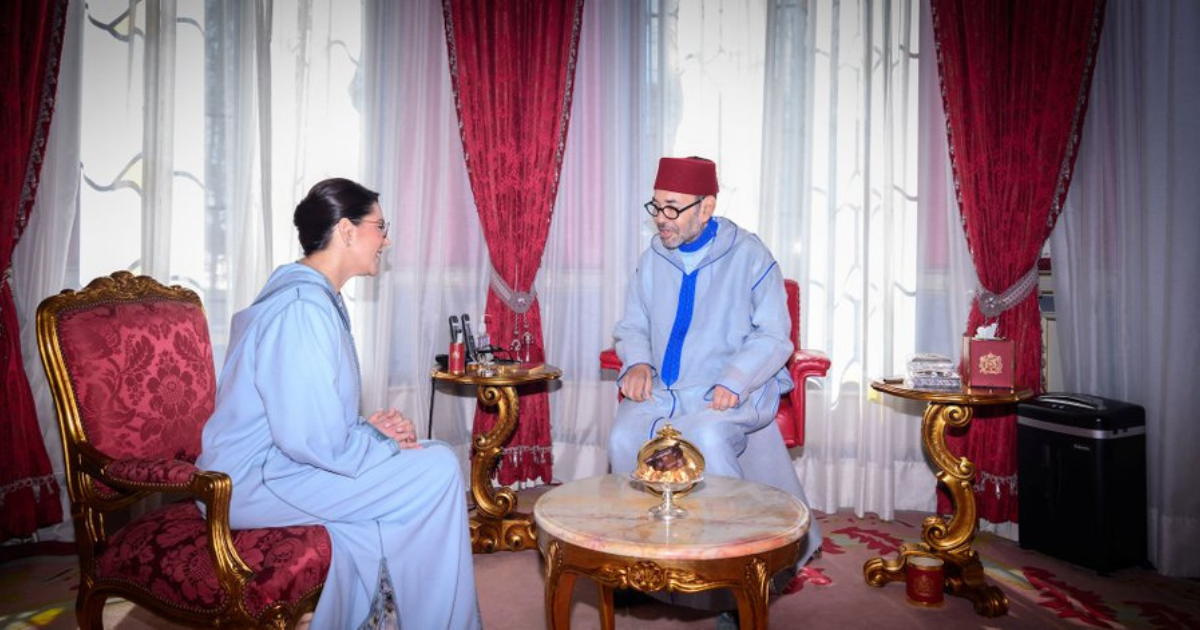
King Mohammed VI has appointed Fatima Ezzahra El Mansouri as Morocco’s first woman prime minister. This is a historic move Tuesday, after her liberal-centrist Authenticity and Modernity Party (PAM) won the recent parliamentary elections. The president of the palace has officially charged El Mansouri to form a new government coalition.
On Sept. 23, PAM emerged as the most powerful political party with 97 seats. The party was established by a royal adviser and is a counterweight to the Islamist Justice and Development Party (PJD), which promotes social modernization.
El Mansouri, who is a seasoned lawyer, a former housing minister and mayor of Marrakech, must now present a list of his candidates to the king for approval. Her party’s resounding victory was greatly helped by the late recruitment of Fouzi Lekjaa, Morocco’s football federation president, who also has experience in budget management in the country.
The king has to appoint the head of government from the party who secures the highest number of seats in the House of Representatives under the country’s constitution. The kingdom is a constitutional monarchy where the king still holds extensive powers over key government ministries, particularly national defense and foreign policy.
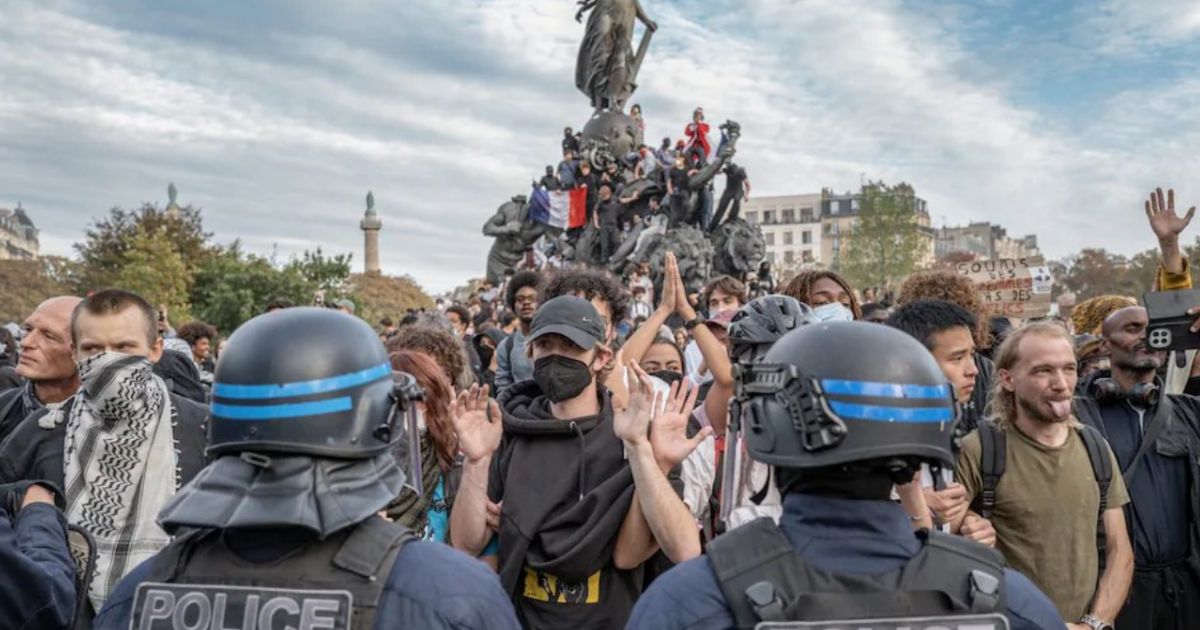
The new government has a number of huge challenges coming its way, including its management of a $20 billion readiness and infrastructure program at its completion. Morocco will host the 2030 FIFA World Cup together with Spain and Portugal. Also, El Mansouri’s government will have to adopt urgent economic measures to address the concerns of the young, a topic that was accentuated by a mass border crossing in Ceuta and violent demonstrations last year.
PAM and the liberal-centrist National Rally of Independents (RNI), who captured 66 seats, took shots at each other for the high cost of food during the election campaign. But the campaign rhetoric has been against a continuation of the alliance, and El Mansouri has indicated a new approach in continuing her coalition negotiations, saying there are “no red lines.” The conservative nationalist Istiqlal party also won 65 seats, which it must take part in the upcoming negotiations.
The voter turnout was 38%, compared with approximately 50% five years ago during the last elections. The PJD, which had the former prime minister Abdelilah Benkirane, secured 54 seats and declared it would stay in opposition. Overall, El Mansouri’s appointment is a positive development for Morocco, which has been working towards greater gender representation in high-ranking positions for some time now.