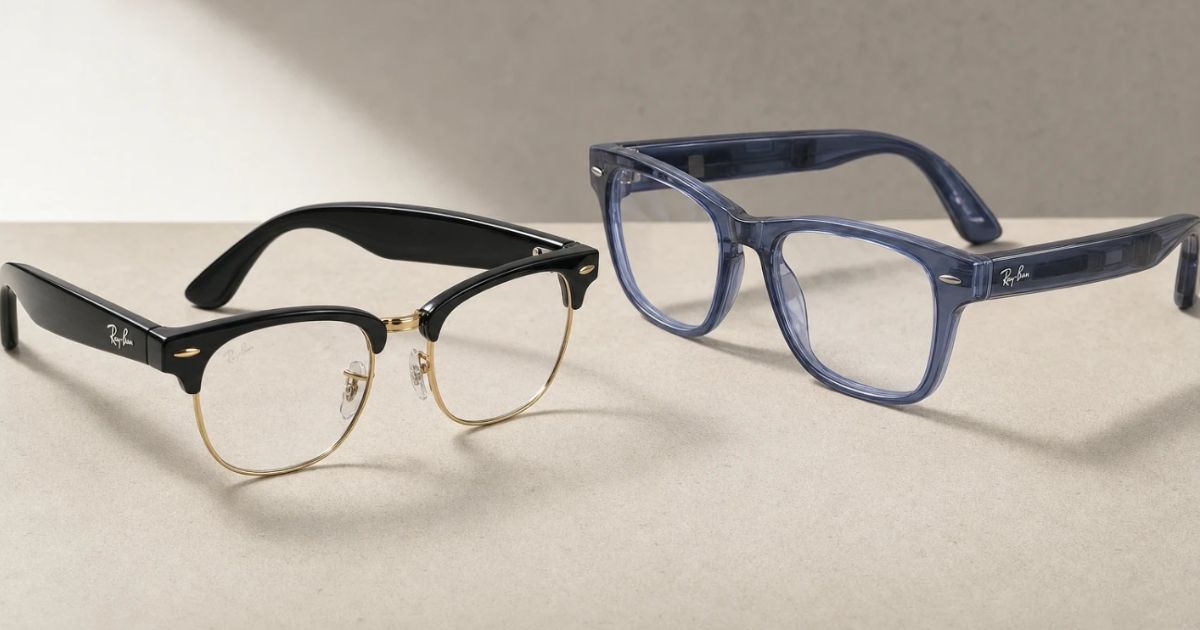
Meta is set to release a camera-less version of its smart glasses as users worry about privacy breaches enabled by the camera-enabled ones.
The new ‘Ray-Ban Meta Audio’ models will not have the previous common feature on every smart glass that Meta has ever made, which would allow for longer battery life and a more compact design of the smart glasses, according to Meta.
The camera-free audio glasses had been in the works for about two years, Bloomberg reported, Meta CTO Andrew Bosworth said. He said that the situation was “a little bit fortunate” for the company, which was already working on an audio-only product, due to the “privacy narrative playing out around glasses globally”.
Meta treats privacy “seriously” and will continue to do so, he said to the publication.
French prosecutors last week opened a criminal investigation into alleged sexual harassment via smart glasses.
At least one investigation was ongoing in Paris following complaints about the use of women’s smart glasses for some who complained the women were filmed without their consent and then posted on social media platforms, Reuters reported.
No specifics were given about the brands or names of the company.
In the sector, AI-based smart glasses represented 88pc of total shipments as of H2 last year, and Meta had over 80pc of the total smart glasses shipments globally.
Despite the outcry from public opinion about the technology, and the prevalence of complaints about the use of hidden cameras and a rise in sexual harassment, the sales and popularity of these kinds of glasses have rapidly increased.
“They’ve been extremely enthusiastic about the product in my experience,” Bosworth told Bloomberg as he walked around with [smart glasses] on. “Then there is an extremely online concern (I don’t mean a real concern).”
The camera-less glasses were announced yesterday (23 September) by Meta boss Mark Zuckerberg in a keynote at the company’s annual Meta Connect event in California. The new “audibility” glasses are also US FDA certified for use as a hearing aid for mild to moderate hearing impairments, he said.
There were other updates, such as smart glasses featuring a VR component and a customisable agentic AI avatar named Muse.
Meta’s emphasis on the fact that Meta glasses are now an FDA-cleared hearing enhancement device and the positive aspects of the glasses, such as longer battery life, slimmer profile and Muse functionality, while neglecting to mention that user privacy concerns were a large driver of its creation, according to Forrester principal analyst Kate Winick, in an analysis of the keynote presentation.
She said that Meta did not add any new features that support privacy for the public, and presumed that a stream of features will make privacy concerns “drown out the stream of a user-friendly product environment”.
Dutch deep-tech startup Morphotonics has received over €40m in Series B funding to scale its technology for the creation of AI glasses earlier this week.