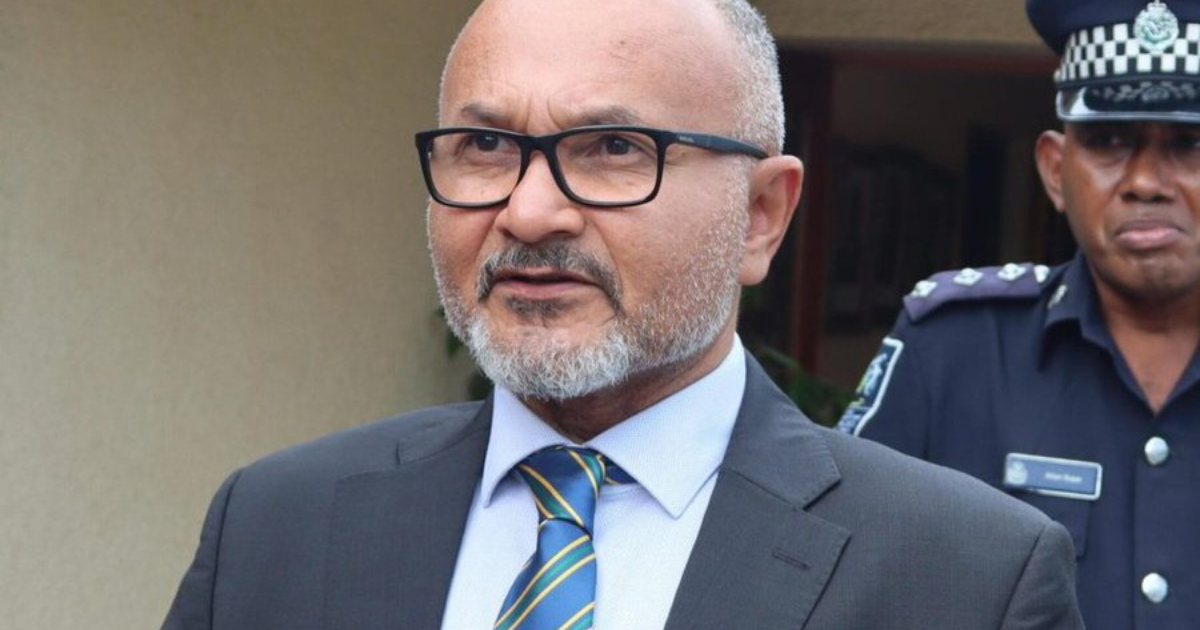
The Solomon Islands has elected Matthew Wale as its new prime minister, after lawmakers did a secret ballot, sorta. Wale, who leads the Solomon Islands Democratic Party, picked up 26 votes to beat the government’s person, who got 22.
So yeah, this switch in leadership shows up after former Prime Minister Jeremiah Manele was pushed out through a no-confidence motion, and that happened after a round of ministerial resignations back in March. Outside the National Parliament of the Solomon Islands, the 57-year-old Wale said it plainly to reporters, there are hard days ahead, but changes are on the way and he also called on the youth of the nation to be ambitious, and not just sit around.
A Mandate for Change and Domestic Focus
Wale’s election really feels like a big turn in how the Solomon Islands Government thinks about what matters inside the country. He’s a former accountant, coming from Malaita, which is also the most populous province, and Wale has this history in civil society leadership that goes back to when the country started to move out of ethnic violence around 2003.
People who follow politics say his administration will probably put more emphasis on urgent national needs, like schooling, health care, and policing, instead of just talking about big plans. Right now, most ordinary citizens are dealing with a heavy economic squeeze, and part of it is rising fuel costs tied to global conflicts. Even in rural communities and in some neighborhoods of Honiara, the capital, many places still don’t have reliable basics, like steady electricity or water that you can actually count on.
Meanwhile, there’s been more foreign money coming in, and sure, that has produced big projects such as a national stadium. But analysts also mention that those kinds of upgrades, while visible, have not meaningfully changed everyday life for most people. So Wale’s leadership is being framed as something more practical, meant to ease these bottom-level, day-to-day problems that people feel so directly.
Recalibrating Foreign Relations and Transparency
Wale has been, well, a vocal critic of how his predecessors handled international relations. Especially when it comes to the country’s deepening ties with Beijing, because, you know, it wasn’t exactly subtle. Ever since the archipelago switched diplomatic recognition from Taiwan to China in 2019, Wale has kept pushing for greater transparency on foreign logging, mining operations, and even those undisclosed security agreements that nobody seems to want to pin down.
Still, even with all that past criticism, moving through the geopolitical landscape is going to be tricky, a kind of tightrope thing. Several members in his newly formed coalition have quite close relationships with Beijing. So when he got elected, a spokesperson from the Ministry of Foreign Affairs of the People’s Republic of China sent congratulations to Wale and said there’s a willingness to expand practical cooperation and also deepen strategic partnerships with his administration.
Meanwhile, academics from places like the Australian National University and the University of Queensland are describing the election as a seismic shift, it could help settle some recent political upsets. Going forward, Wale is expected to balance relationships carefully, reviewing current security pacts while still keeping crucial ties with major regional aid donors, like Australia.