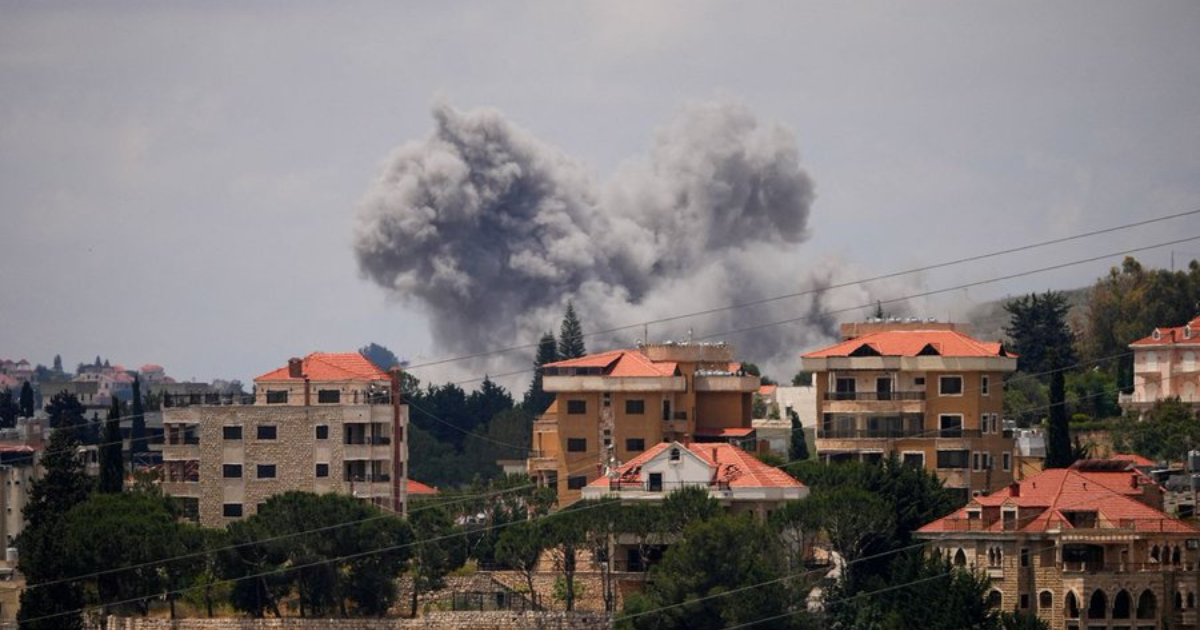
So, after these two days of intensive diplomatic talks, basically helped along by the United States, Israel and Lebanon have said, in an official way, that they’ll extend the ceasefire they have now by 45 days. The announcement came on Friday, and it feels like a pretty notable step in trying to reduce the tension across the region.
In the official statement, they say the negotiating sides managed to craft a common roadmap for what comes next. And that core understanding leans on a full acknowledgment of each other’s sovereignty and territorial wholeness, plus a joint promise to set up real safety measures along the border.
Establishing a Framework for Sovereignty and Security
To handle the complicated issues in front of everyone, the next round of talks will probably be split into two separate tracks: political and security. Military delegations from both sides are due to get together at the US Pentagon on May 29, so they can zero in on the security part only, not the other piece.
After that, the political negotiations are expected to restart shortly, on June 2 and June 3. During these meetings, the United States has again reaffirmed its stance about Hezbollah, saying the group is a serious threat and that it functions entirely without the consent or okay from the Government of Lebanon. Reportedly, all parties involved are working side by side toward a lasting long-term solution.
Dual-Track Negotiations and Demands for the Future
Representatives from both sides have been showing a sort of cautious optimism about the diplomatic push that is still going on. The leader of the State of Israel delegation, Ambassador Yechiel Leiter, mentioned his views in a recent post on X (formerly Twitter), and it sounded pretty calm. He said the first talks were “frank and constructive” and that those negotiations may end up giving something real, like real success.
Meanwhile, the Lebanese delegation seems to stay firm on what it sees as its main objectives. As reported by local state-affiliated media, the delegation once again stressed that it wants an agreement that brings back absolute national sovereignty, and also assures the safety of all citizens.
Beyond those wider goals, the Lebanese representatives have also spelled out a few concrete conditions. They are strongly calling for the safe return of all Lebanese prisoners. They also want a strict implementation mechanism, basically something that will make sure every Israeli commitment tied to the new agreement is actually carried out.