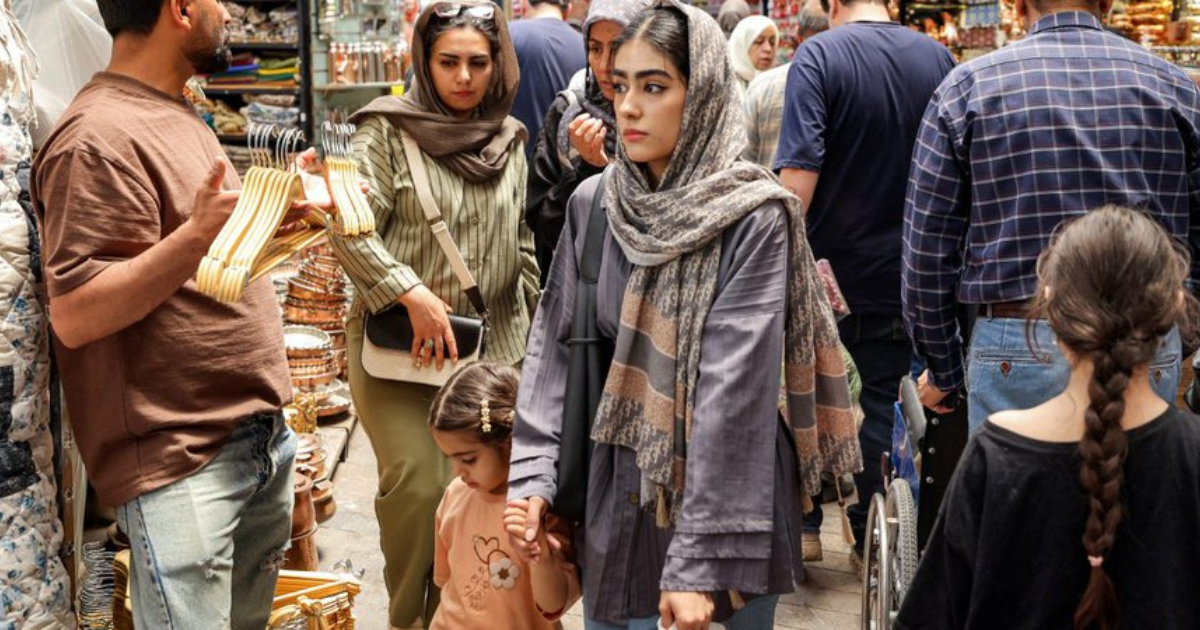
This is Iran’s worst inflation crisis since the Second World War. A sharp increase in prices is driving workers, retirees, and small businesses further into financial difficulty.
The Iranian economy seems to be facing this big deal type pressure, from geopolitical turmoil, from subsidy reforms, and from the old, stubborn internal weaknesses that just won’t really let go.
The Central Bank of Iran reported that annual inflation jumped to a staggering 77.2% year-on-year between April 21 and May 20. The price was increased by 8.5% from the previous month. On a national level, inflation for physical goods has jumped to over 113% on a point-to-point basis. It is Iran’s highest inflation since 1942, during World War II, which disrupted the country’s supply chain.
The toll is far from economic. In the capital, consumers are comparing prices again and again, purchasing less and drastically reducing their purchases of essentials.
Al Jazeera reported on the scenes at the Bastan market, west of Tehran, where people would often walk the aisles, but rarely come out with anything in their hands. Food is the obvious indication to many households of the deteriorating situation.
One mother of three said that now she has to go to the market several times a week to find things that haven’t had a sudden price increase. Red meat is now out of reach for many families, and chicken is a luxury item, she said.
Retirees Sink into Poverty
The squeeze is on the backs of retirees and those living on a fixed income. One pensioner, aged 63, pointed out the astronomical rise of essential items in the last year:
- Rice: Prices rose to more than 5 million rials ($3.63) per kg from 1.8 million rials ($1.31) per kg.
- Cooking Oil: Climbed from 700,000 rials ($0.51) to more than 3 million rials ($2.18) per bottle.
He said that his pension doesn’t even pay for a third of his basic living costs. The working class is being eaten away by poverty at an alarming rate, with those who used to be able to look after themselves just getting by on a shoestring.
Five Major Pressures Driving the Crisis
Arman Khaleghi, the head of Iran’s Chamber of Commerce, Industries and Mines, said it was a meltdown in Iran’s economy, which is the result of five factors converging:
- Subsidy Reform: Foreign-exchange subsidy was removed from food products, which caused food prices to rise.
- Civil Unrest: Large protests occurred earlier in the year and caused market activity and security to be disrupted.
- Geopolitical Conflict: There was a huge amount of external inflationary pressure in the form of the “Ramadan War” between the US and Israel.Extremely large external inflationary pressure in the form of the “Ramadan War” between the US and Israel.
- Cost Hikes: The hike in wages and energy costs has been implemented since the beginning of the Persian New Year.
- Trade Disruptions: A maritime blockade has already seriously affected import/export chains.