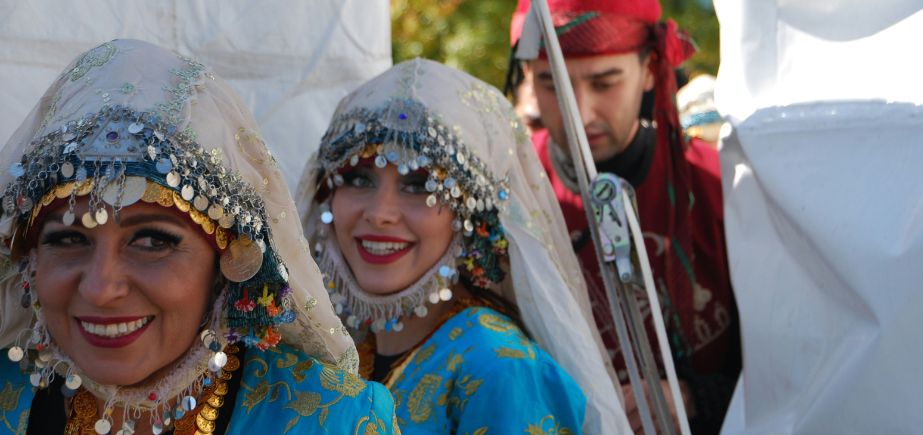
In Frankfurt, Germany, a festival was organised celebrating the culture of the Hazara people with the participation of various ethnic communities, highlighting cultural resistance to erasure and discrimination.
The World Hazara Unity Centre hosted the cultural event on the theme “From Historical Memory to New Horizons: A Celebration of Hazara Culture, Identity, and Solidarity” on Sunday, May 31.
Besides Hazara community members, it was attended by several civil society members and cultural activists from different ethnic groups of Afghanistan; a few Germans and representatives of Amnesty International (AI) were also present at the event, according to reports.
The event featured speakers who discussed various themes including culture, identity, coexistence, and the future of Afghanistan, highlighting the importance of engaging in critical dialogue on issues that impact the country.
Azada Sharifi, a human rights activist, also noted that Iran should recognise ethnic diversity, legal equality and equal participation of all ethnic groups in the political and social life of Afghanistan, and voiced concern about the isolation and discrimination against the different cultures of the Afghan people.
Fatima Alizada, a social activist and women’s rights activist, presented on the culture, values and achievements of the Hazara community, highlighting the defining points of the community as education, the pursuit of justice, women’s participation and the preservation of the cultural heritage.
Journalist and ex-Afghan MP Baktash Siawash said despite suffering decades of deprivation and hardship, the Hazara people have nevertheless played a prominent role in various social, cultural, educational and political fields.
He said that one of the strengths of Hazara society was that women had played an active role in civic and political life and were considered a valuable asset of the society.
Siawash also stressed that the achievements of Hazara people in education, sports and social development are part of Afghanistan’s common national pride and, in addressing the challenges currently facing the country, all ethnic groups, including Hazara, should be involved in the national processes to draw on their capacities.
During the event, Ruqia Talash, the representative of the World Hazara Unity Centre, emphasised the significance of cultural programmes in promoting the awareness of Hazara culture and understanding among the communities of Afghanistan. Such programs can pave the way for establishing more solidarity, safeguarding cultural diversity and fostering positive dialogue between the different ethnic groups of Afghanistan, she added.
She also pointed out that holding these cultural festivals is a symbol of cultural resistance of the Afghan people against what is happening in Afghanistan, noting that no government can force people to accept anything without a fight.
The event included a traditional lip dance performance of the Hazara community, a book and photo exhibition, traditional Hazara food and live performances of dambura (drum) (Mohammad Ali Rezaei and Ibrahim Hussaini), guitar (Mohammad Hassani) and traditional dance.