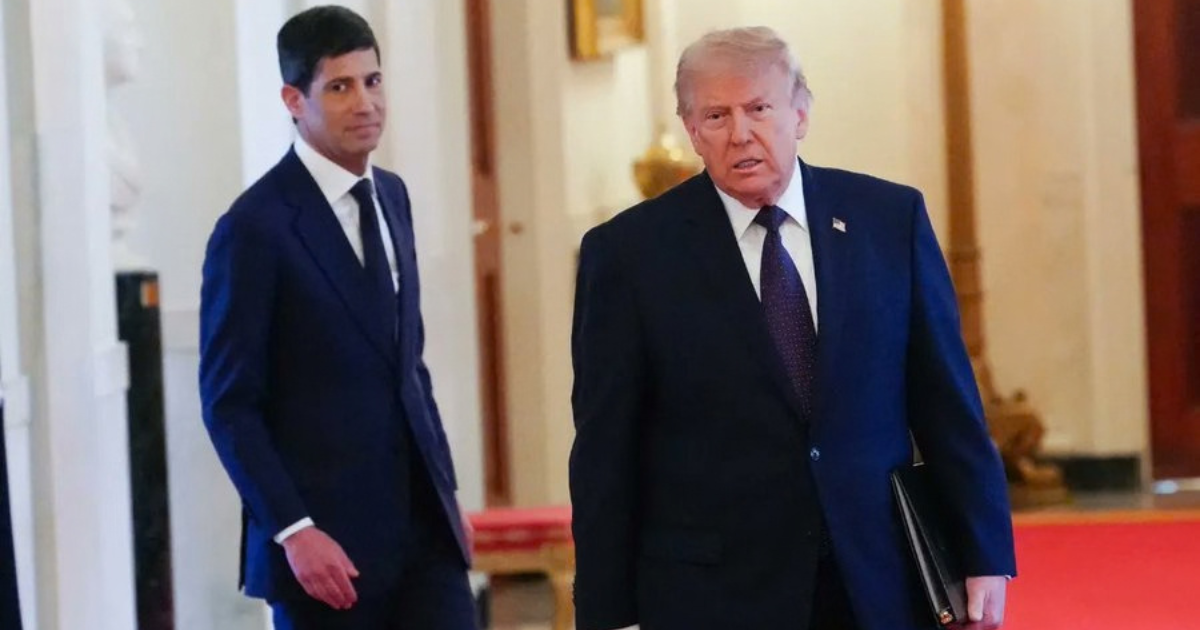
The American Federal Reserve has raised the official interest rates for the first time since 2006 to fight against high inflation rates. The Federal Reserve Board voted unanimously to raise the discount rate from a range of 3.5%-3.75% to 3.75%-4.0%. Fed Chairman Kevin Warsh called the hike, “a rational and sober move considering that inflation in the United States has exceeded the 2% target set by the bank for more than five years.”
The decision follows direly challenging geopolitical and economic conditions. One of the most significant issues facing American voters has been affordability as they’ve been dealing with rising fuel and wholesale oil prices caused by the escalating US-Israel conflict against Iran. The central bank can’t stop prices of goods such as groceries or oil, but the move will stop such price spikes from spreading through the economy, Warsh said.
Political criticism immediately followed monetary tightening from The White House. President Donald Trump, who had publicly called for rate cuts, noted he was continuing to rely on Warsh but harshly criticized the Fed board as “hostile and very political. Meanwhile, U.S. Senate Democratic leaders, including Chuck Schumer, charged the president with economic mismanagement overall and said the rate increase will increase America’s debt more.
The rate increase will take effect immediately and will be the first to increase since a December 2025 cut and the first rate increase since July 2023. Major commercial banks immediately pushed their prime lending rates up to 7%, and thus increased the cost of credit cards and personal loans. Mortgage prices are also significantly impacted. The average 30-year fixed mortgage rate today is 6.76%, while the 15-year fixed rate mortgage is 6.09%, according to Freddie Mac. Existing fixed-rate homeowners will not be impacted, but new home buyers and refinancing will see their monthly repayments go up.
Central bankers’ policy makers expect additional rate hikes going forward. Most Fed officials expect rates to rise further before year’s end to a range of 4%-4.25% and a peak of 4.25%-4.5% next year before cutting rates in 2028. This home-made monetary policy follows the pattern of other world economies after the Iran war, when the European Central Bank increased rates last week, and the Bank of England is soon to issue an official monetary policy decision.