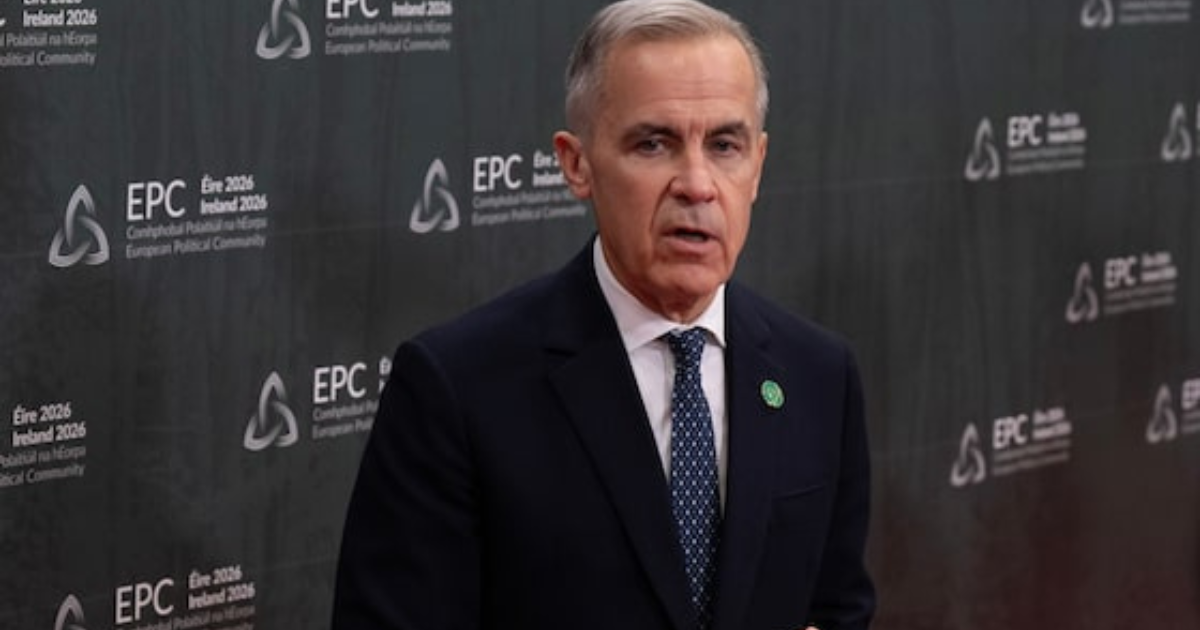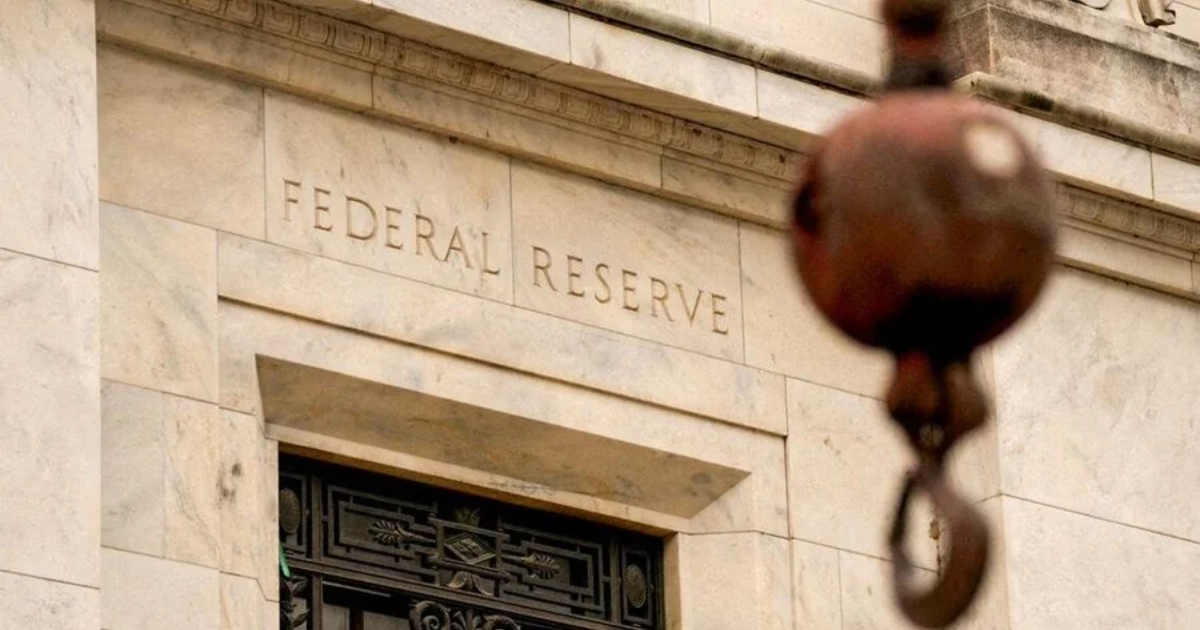
The Federal Reserve kept rates unchanged on Wednesday, hoping for more clarity about the US midterm election results before deciding on a rate move. In a 10-2 decision, the central bank left the benchmark interest rate unchanged in the 3.75%-4.00% range, citing elevated inflation.
The Fed, despite suspending rate increases, upgraded its view of the overall situation in the U.S. economy, now characterizing growth as “strong. Fed Chairman Kevin Warsh said he is confident that bringing down inflation to the Fed’s 2% target can be done without taking measures aimed at slowing economic growth, increasing unemployment or throwing “sand in the gears” of the economy.
After two days of policy discussions, Warsh was expecting to see strong consumer spending and business investment in the coming gross domestic product reports. He also said that the economy was not “too hot” and that today’s productivity growth would enable a higher rate of expansion without inducing demand-side inflation.
Current policy rates are also very restrictive and will likely slow business investment, while at the same time alleviate spending among wealthier households, Warsh noted. The administration has faith that Warsh will strike a balance between controlling inflation and keeping the economy growing,” said U.S. Treasury Secretary Scott Bessent, on behalf of the U.S. Department of the Treasury.
Although they had decided to halt, the new policy statement suggested more rate hikes might be needed while the committee waits for “an accumulation of more information.” Two Fed officials disagreed and proposed a immediate 1/4-percentage-point increase: Fed Governor Lisa Cook and Beth Hammack, President of the Fed’s Cleveland Fed.
Cook’s dissent comes as she has come under strong political pressure from the White House, where President Donald Trump is reportedly seeking to remove her. The central bank has also come under criticism from Trump and others for not cutting rates enough, though he has recently accused of some of being partisan. But Warsh strongly disagreed, saying politics had no role whatsoever in this week’s rate decision.
Economic conditions continue to be complicated, and energy and diesel prices remain elevated while employment is robust. These inflation and cost-of-living issues are top issues for the upcoming November 3 elections, deciding whether Democrats will be able to exercise strong control in the United States Congress or the Republican party will hold on to that power.
The Fed’s pause had little impact on markets, as U.S. stocks edged off their gains and longer-dated Treasury yields continued their climb. A rate hike now is priced in by financial markets at 80 percent odds at the central bank’s next December meeting, with another expected by March to help control inflation which has been outside of the central bank’s control for more than five years.