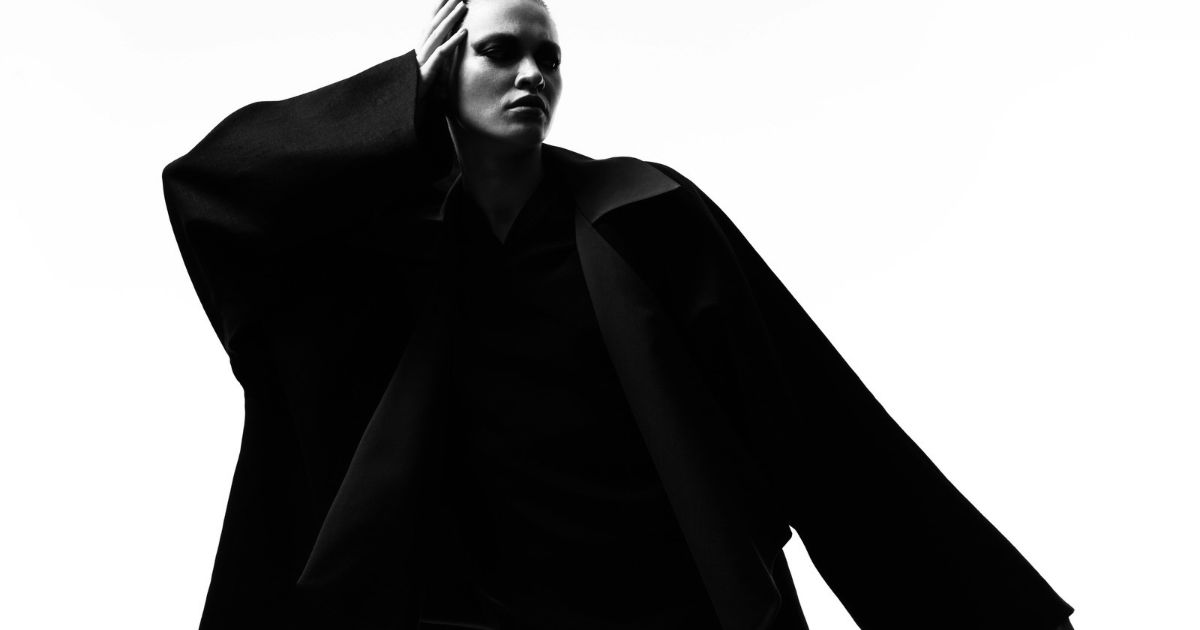
The fashion industry is also getting a facelift thanks to the use of artificial intelligence, which enables companies to generate realistic model images for their websites, their advertisements and their fashion campaigns, all at a much lower cost than hiring a model team for a photo shoot. For retailers with frequent new collections, the cost of AI-generated imagery can be as low as 90% or more, making it an enticing option.
But with the increasing adoption of AI comes concerns of job loss, image ownership, consent and the future of professional modelling. Models can have their image digitally reproduced, edited or reused without further payment and wholly synthetic models can be used instead of human talent.
Fashion brands, in particular, are questioning the balance between emerging technology and workers’ rights and fair pay.
AI Face Swaps and Digital Clones
AI can alter existing images by altering faces, body proportions, skin texture, age, facial expression, clothing, etc. Digital twins can also be used for brands to have virtual versions of models which they can use in more than one campaign without having to organise another photoshoot.
The capabilities would drastically alter the fashion companies’ approach to creating marketing content. Rather than enlisting the help of models, photographers, stylists and production teams for each new collection, retailers can increasingly turn to AI-powered systems to create images and customise existing content.
According to some reports, certain contracts have clauses that let companies change or alter the appearance of models, replace the faces of models, or even make digital copies of them for future use. Such agreements have led to questions about how well models understand how much rights they are giving away when they sign contracts.
Models’ Images Could Train AI Systems
One is the concern about the use of models’ images for AI training. There are some contracts that permit companies to generate systems that learn the shape of the body, the features of the face, the poses or other characteristics of the portrait images without paying extra fees.
This gives rise to worries that they might play a role in technologies which eventually become redundant for their services. Even if images are anonymised, the models can lack control over what happens to the material or whether it helps to further develop future AI-generated content.
Legal experts have also voiced concerns over the expansive nature of the clauses of the contracts. Such clauses tend to give brands more latitude in using photos and digital manipulations, thus posing a problem to models in enforcing other uses outside the scope of their initial understanding.
Cost Savings for Brands
AI is attractive to fashion retailers as it makes the process of creation cost-efficient and allows creating an extensive database of pictures that could be used on their websites. Normal photo shoots involve models, photographers, make-up artists, lights, studio space and post-production editing.
AI-generated images can minimise the need for some of these resources. Brands can virtually showcase products on multiple models, adjust backgrounds, tweak poses, and create various versions of the promotional material faster.
There is huge potential to save costs, as some companies are already scaling up their AI-powered image generation services to other retailers. But that may also impact photographers, staff in the studios, stylists, make-up artists and others who rely on old-fashioned fashion production.
Historically, e-commerce shoots have been a regular source of jobs for models, especially for those of fast fashion brands. These opportunities are likely to decrease over time as brands continue to shift to automated image production.
Human Models Face Growing Job Uncertainty
The new trend of AI fashion images may change the jobs in the fashion industry. The drop may have a negative impact on modelling agencies, as well as on photo studios where people opt for fewer traditional shoots. Companies that are more focused on getting products out the door quickly and at lower costs might be especially concerning for freelancers and entry-level employees.
While AI can offer emerging opportunities for digital production, creative tech and image editing, these positions could come at the expense of the number of traditional fashion shoots. The shift also might necessitate new skills for workers if they are to remain competitive.
Regulation and Consent Remain Major Concerns
The laws that address AI-generated replicas, image ownership, and digital likenesses are inconsistent among countries. Some jurisdictions require legislation which requires prior approval before the replication of a person’s likeness can take place; others operate within a framework where the current contractual and copyright agreements prevail.
Digital twin and limits to using the image of the digital twin is one of the topics industry groups seek to address through standardisation. Greater transparency would allow employees to know whether their image will be modified, used to train AI or even to create a digital twin out of them.
As AI technologies become more prevalent in the industry, these aspects have to be considered in order to protect the rights of workers and prevent them from losing control over their identity.