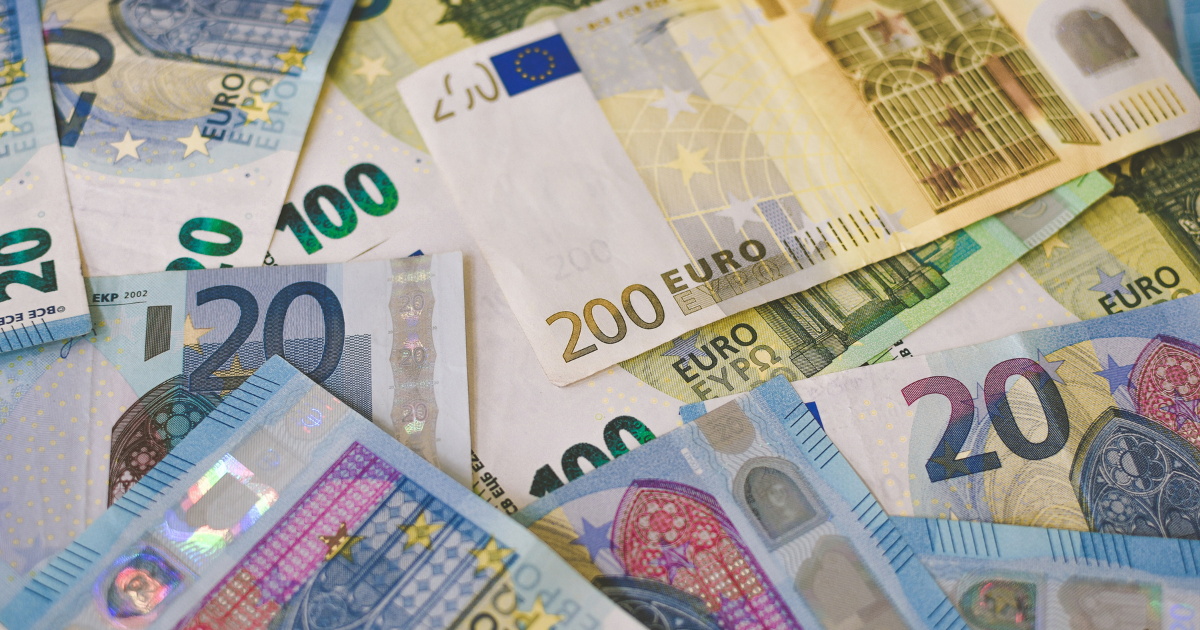
The euro is set for a fifth straight weekly decline, as oil prices around the world reversed some of their losses. Managed by the European Central Bank, the euro fell to a 17-month low of $1.1161 earlier in the week amid fears of difficult political hurdles to the required budget cuts and France’s record public debt.
On the other hand, the U.S. economy remains resilient, driving a 0.13% rise in the dollar index to 102.25. The greenback is set to extend its four-day consecutive weekly gains the longest it has recorded since May 2025. The risk premiums on heavily indebted French and Italian government bonds meanwhile have settled, following a big rise in late September, to be heading for a weekly drop.
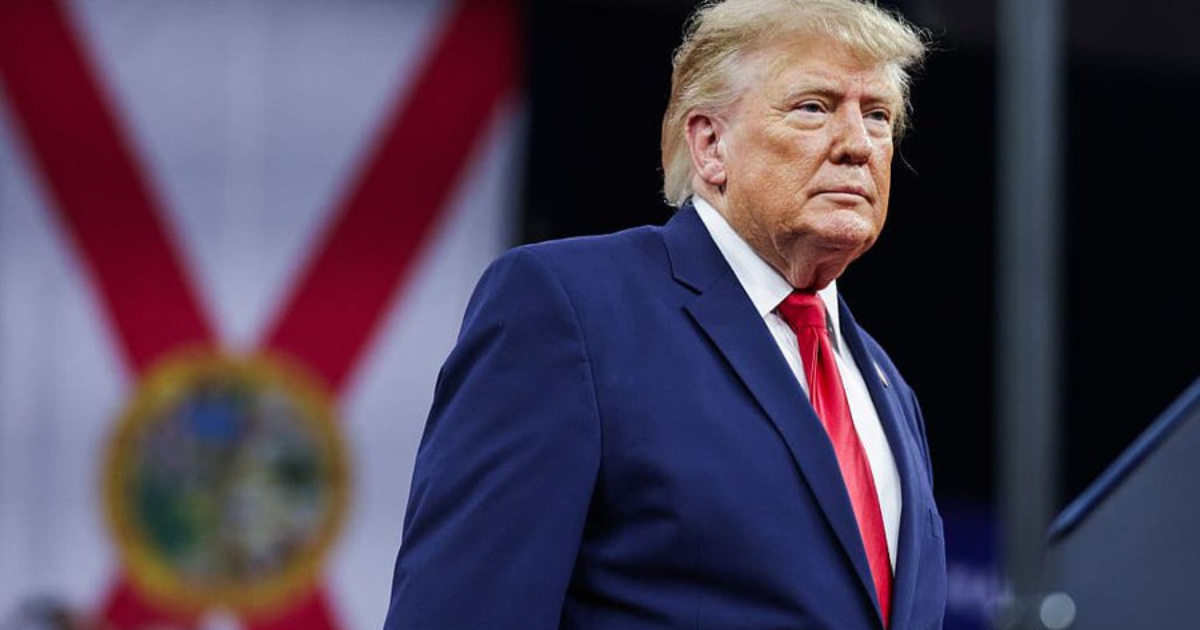
It was a quiet day for global bond markets on Friday after U.S. President Donald Trump announced there would be no U.S. military strike on Iran “before the November 3 mid-term elections,” while there remained “productive” ongoing negotiations. But soon after a distressful sea accident, crude oil prices recovered from their initial low. An unmarked projectiles hit a vessel in the United Arab Emirates (UAE) 13 nautical miles (nm) west of Al Jazeera, pushing Brent crude up to $104.88 per barrel, United Kingdom Maritime Trade Operations (UKMTO) reported.
Bond yields global have kept rising as inflation continues to remain strong and expectations of central bank actions have evolved. The odds of the Fed raising interest rates later this month are not much higher than they were this morning, with just 19.4% probability in the current market forecast. But investors are keen to see action later in the year, with expectations that the December meeting will see a rate hike with a 85.8% probability.
Consumer economic prospects continue to be fragile due to price pressures and ongoing Middle East geopolitical tensions. University of Michigan data suggests that U.S. consumer sentiment dipped even further in early October. Some Fed officials think a further increase is a must to put inflation under control, while others want to be more flexible and patient about monetary policy.
The whole currency market is under a huge strain due to these economic and political developments, coupled with the recent snap election call in Spain. The British sterling, tracked by the Bank of England, rose 0.08% alongside the euro’s woes, and is set to extend its weekly losses for the seventh straight week. Likewise, the dollar went up against the Japanese yen to 158.25, continuing the fourth consecutive weekly decline by the Bank of Japan’s currency.