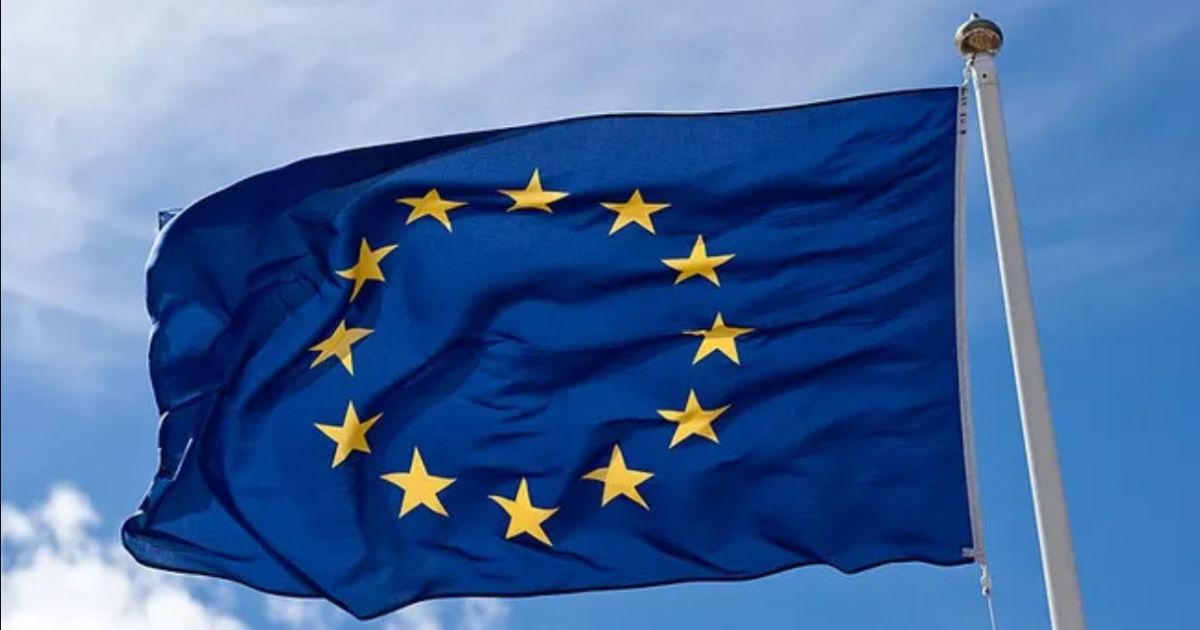
In a formal opinion, the Commission has stated that the draft law overlaps with the EU’s online content law, the Digital Services Act (DSA).
The opinion asks French lawmakers to amend the bill, but the Commission praised efforts to strengthen the protection of children in the online environment.
European Commission spokesperson Thomas Regnier told the AFP news agency that the objective of the French authorities to better protect minors online was “one of the main ones” on the matter.
The Commission’s opinion supports this effective and EU-compliant approach to any national action, while minimising any risk of fragmentation of national systems, which could lead to legal uncertainty or to a reduction in enforcement.
In the version first approved by the National Assembly, the bill proposed a broad ban that applied to all “social network services online provided by a platform”.
The Senate modified the plan and proposed a two-tiered platform: those deemed harmful would be put on a blacklist, while those that weren’t would be available with parent approval.
This version was approved by the Senate, and warnings were received from the government that some sections of the bill could be incompatible with EU law.
Following the Commission’s opinion, French lawmakers must negotiate a compromise between the National Assembly and Senate versions of the bill through a joint committee, whose date has not been set.
The government had hoped the law could come into force by the start of the school year in September.
EU mulls possible EU-wide ban on social media for kids. European Commission President Ursula von der Leyen has said she would back it and proposed that there might be a plan in the summer.
The results of the expert panel are due on 13 July.