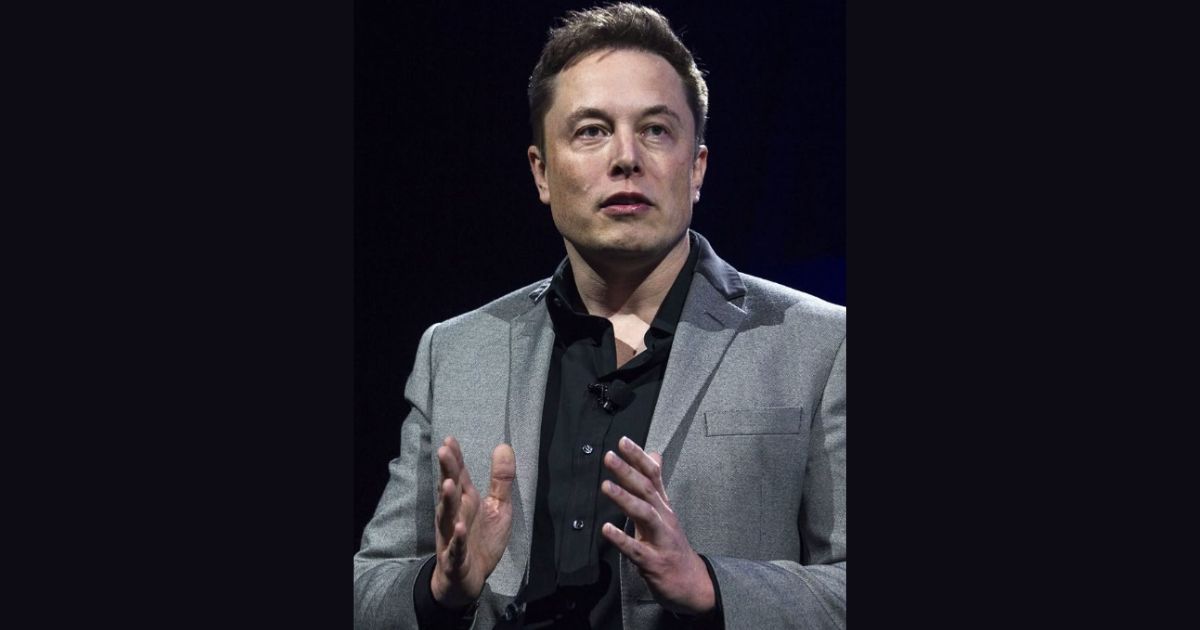
Elon Musk’s X has labelled Australia’s internet regulator with “unfair” information-gathering powers, and is concerned that its proposed stricter approach to a social media ban for teenagers is threatening U.S. law.
Australia’s world-first legislation preventing children under 16 from having accounts was implemented last December, and is being criticised by social media giants, predominantly in the U.S.
However, X’s claim is one of the most powerful in the world, bringing a geopolitical twist to the argument, as the parent company of just-listed SpaceX.
The plans did not give “due regard to procedural fairness, privacy, the broader impacts on online services, and Australia’s digital economy”, X told an Australian senate committee.
X opposed the proposals in its submission, which was released Tuesday, to expand the rights of document discovery and double the maximum fine to A$99 million ($69 million) for the eSafety Commissioner.
The changes would force anyone outside Australia to hand over information and documents, just because they are ‘affiliated’ to a company, X said, which is in ‘clear conflict’ with international law.
The amendment, which refers to respect for a foreign country’s legal system, “raises potential for a severe impact on international comity,” it added.
A U.S. congressional committee has already summoned the eSafety Commissioner to testify, alleging that she put American free speech “at risk.”
The billionaire Musk himself called the Australian social media ban a “backdoor way to control access to the internet by all Australians” in an earlier post on X.
Since the ban, eSafety data and research found that the majority of Australian teens under 16 years of age still have social media accounts.
eSafety says that it is considering a potential enforcement action against five platforms, but is hampered by its limited enforcement powers.
The regulator told the panel its currently-limited power to compel documents was at odds with other regulators, making it dependent on “representations from providers about their own compliance”.
eSafety also did not have the authority to require documents from a third-party “age assurance” entity contracted by the platforms, which it considered “significant” barriers to investigations.
DIGI, an industry body representing multiple platforms, told the senate inquiry eSafety already had plenty of enforcement authority that it wasn’t fully utilising and asked for more clarity about the type of person it could require documents from.
Google’s YouTube and TikTok said in separate submissions there was no known failsafe method to weed out and block underage users.
The bill for more powers to enforce has not yet been passed by Parliament. The Senate committee will deliver its findings on August 25, after holding hearings.