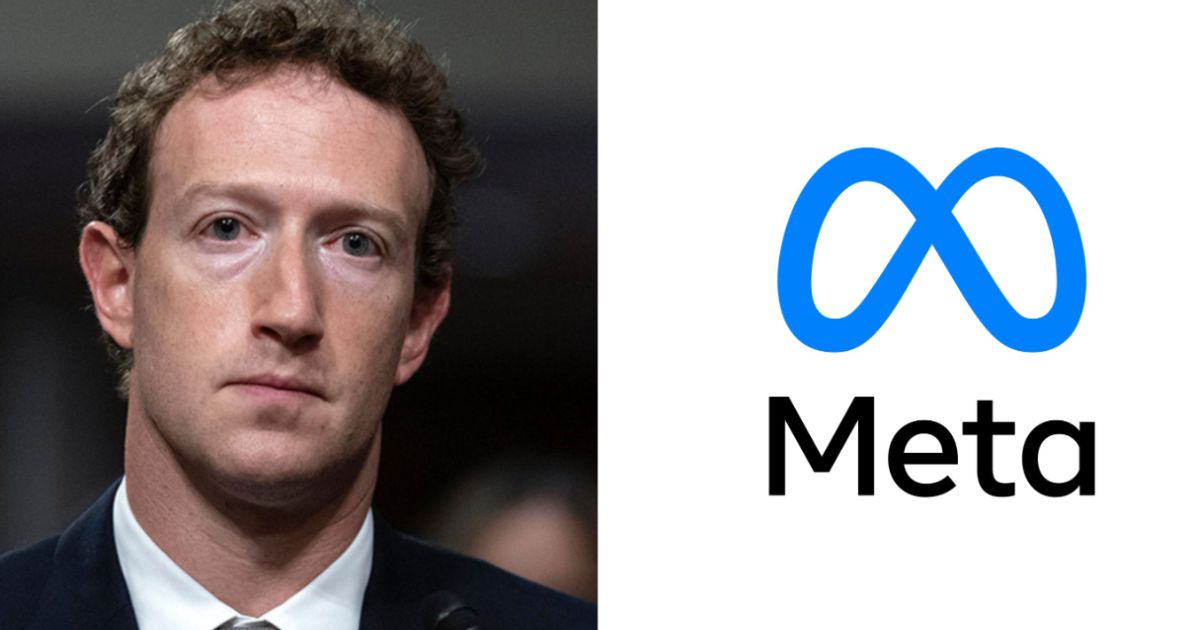
This week, experts have dubbed it “social media’s big tobacco moment” as the trial against Meta heads back to the United States, where the company is facing charges of harming children, with billions of users worldwide.
Four states were picked to represent their claims, and those states were California, Colorado, Kentucky and New Jersey after a coalition of states sued Meta in 2023 over its alleged design of addictive features for kids within its apps.
Now, top prosecutors in those states want to establish in federal court that Meta intentionally designed Facebook and Instagram to be addictive to kids.
These claims “strongly disagree with”, said a spokesperson for Meta, and the evidence will demonstrate the company’s “longstanding support of young people,” adding that the company has “listened to parents, worked with experts and law enforcement”.
Although it’s not the first lawsuit that seeks to hold a social media company accountable for its impact on mental health and safety, it could become one of the most consequential.
“It does feel like the ’90s tobacco era,” Vincent Joralemon, director at Berkeley’s Life Sciences Law and Policy Centre, told AFP.
Unlike cases of harm from social media and addiction, which focus on the intersection of technology and addiction, this case against Meta is about its business practices, Joralemon said.
After decades of research, by the early 1990s, it was clear that smoking cigarettes posed health risks, including cancer, and more study was later conducted to uncover how the tobacco industry specifically minimised and, at times, even concealed the negative health effects of cigarettes.
‘Protecting teens’
By 1998, twenty-nine states had brought lawsuits against the four largest tobacco companies and had obtained a landmark settlement agreement that included monetary awards and modifications in the marketing of tobacco products, especially to young people targeted with ads featuring cartoon characters such as the most popular “Joe Camel”.
Jury selection starts today in Oakland, not far from San Francisco, with opening statements scheduled to start Aug. 18.
In other cases, which took place in Los Angeles and New Mexico, Meta was found guilty on comparable claims, and the total damages could exceed $1 billion.
Beyond financial penalties, as high as $1.4 trillion, or almost the full worth of Meta, which is valued around $1.5 trillion, the states are also seeking a host of changes to Meta’s apps in Oakland.
However, even though it is a huge figure, money is hardly a problem for Meta if it sues.
The big problem is the damage to reputation, and it’s the fact that they have to make significant changes, Joralemon said.
It can be “quite damning” to have a CEO on the stand, he added.
Mark Zuckerberg, founder of the social media giant, will be one of the star witnesses to testify.
The case may “be the start of a larger reckoning for Meta,” Freeman Engstrom wrote in an email to AFP. She is a professor of Law at Stanford and associate Dean at Stanford Law School.
Engstrom said it’ll be interesting to watch META’s “gap” between what it knows and what it tells the public.
Meta states it has a track record of safeguarding teens online and will “defend ourselves against misrepresentation of the facts” as it has done in the past, in a statement to AFP last week.
With so many plaintiffs suing Meta and other social media companies, these lawsuits could potentially “go on for decades”, Joralemon said.
Snap, TikTok, YouTube and Meta have paid a Kentucky school district $27 million in May to settle an expected precedent-setting trial.
A federal appeals court Monday permitted more than 3,000 lawsuits against Meta, the parent company of Facebook and Instagram, and YouTube-parent Google, Snap and TikTok to proceed.