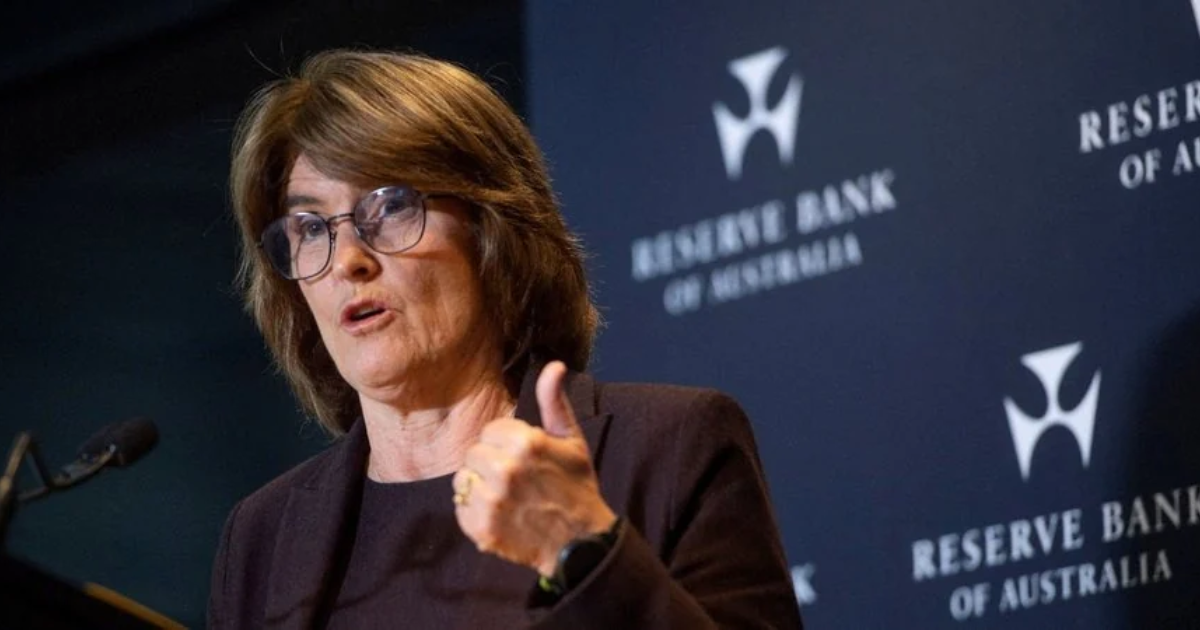
The Reserve Bank of Australia has hiked its cash rate to a new high of 18 years of 4.85 per cent. This is the 5th rate increase so far this year. The Reserve Bank of Australia (RBA) raised interest rates by 25 basis points in November, but indicated that a pause may be needed in its rate-hike cycle after an unusually close vote on the policy board.
Notably, the central bank has dropped the old language about the need to further raise the cash rate. But on the day, financial markets decisively reacted to this more dovish sentiment, with the Australian dollar falling 0.3% to $0.6979 and taking a bet on a rate-setting pause next month.
The board is trying to weigh inflation data published in the third quarter against growing worries about unemployment, which is under close watch by the Australian Bureau of Statistics, in making the complex decision.
The board’s official statement stressed that it will do “what is necessary” to achieve the 2-3% range for inflation, which is its target. Australia is at the hawkish end of the developed markets with 125 basis points of tightening this year. The Fed, meanwhile, just held steady rates in the U.S. last week, and the Reserve Bank of New Zealand surprised markets by pausing after a close call.
The tighter policies are having the most severe effect within the country on the housing sector, which is in its biggest downturn in 40 years. The long-term downturn is likely to significantly reduce household consumption and impact wider forecasts for economic expansion being made by the Department of the Treasury.
The national labour market has meanwhile softened to a five-year high of 4.7% joblessness. But in spite of all this, the central bank maintains that the labor market is still a little tight, and continues to exert inflationary pressures. Higher borrowing rates have helped slow down the overall economy, but a massive ramp up in data center investments is driving demand, while supply is still constrained.