With Afghanistan’s economic growth stuck around 4.8% in 2025, poverty and financial strain will likely be hitting the country hard. The World Bank’s latest “Afghanistan Development Update” seems to suggest that the benefits from this growth are getting erased, largely because of fast population expansion, the return of migrants, and the steady lift in inflation. As a result, the international community has become more concerned as the living standards and incomes of households continue to decline in the country.
Population Surge and Inflation Erode Economic Gains
During 2025, the population of Afghanistan grew by about 11% with a significant return of around 3.7 million migrants. The sudden surge exceeded the country’s economic growth by a huge margin pushing per capita Gross Domestic Product (GDP) to drop 5.6%, as per World Bank Data.
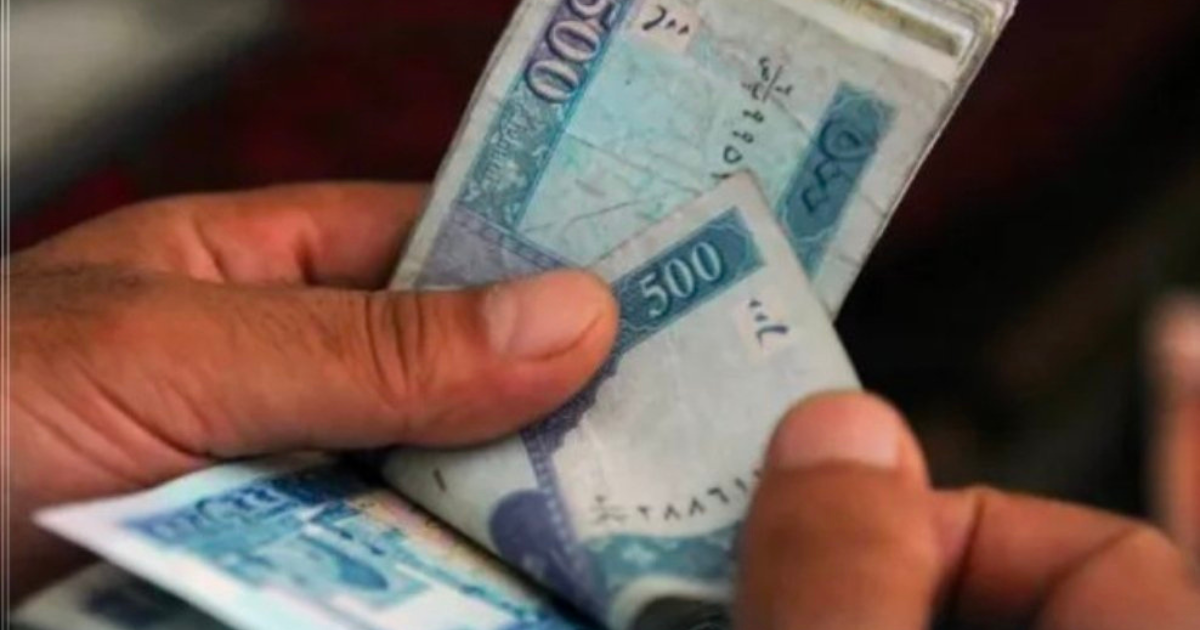
Meanwhile, inflation has been rising at an alarming rate. The average rate of inflation was around 3.6% until March 2026 when it jumped to 7.6%. Much of this is driven by a shortage of supply and strong demand that is seriously eroding the capacity of households to make purchase and making basic commodities inaccessible to millions of citizens.
The financial situation is bleak, though there was some improvement in domestic revenue collection – 19.8% of GDP in 2025, thanks to increased tax enforcement by the ruling powers. This current account deficit has increased to 36.1% of GDP, pointing to a strong reliance on imports in the structure of trade. In addition, the foreign aid cut has significantly constrained government infrastructure investments, and it has made the country highly vulnerable to economic shocks. Projections for growth in the coming years remain modest at about 4% in 2026, and if regional stability persists these could be lowered.
Structural Barriers and a Deepening Humanitarian Crisis
Also, the private sector is showing a small kind of recovery: there’s been some growth in sales, investment, and jobs since 2022, even if it still feels fragile overall. This is all very limited, however, due to long-standing structural barriers. Poor electricity supply, lack of credit, and the high level of informality are seriously hampering jobs and longer-term economic development.
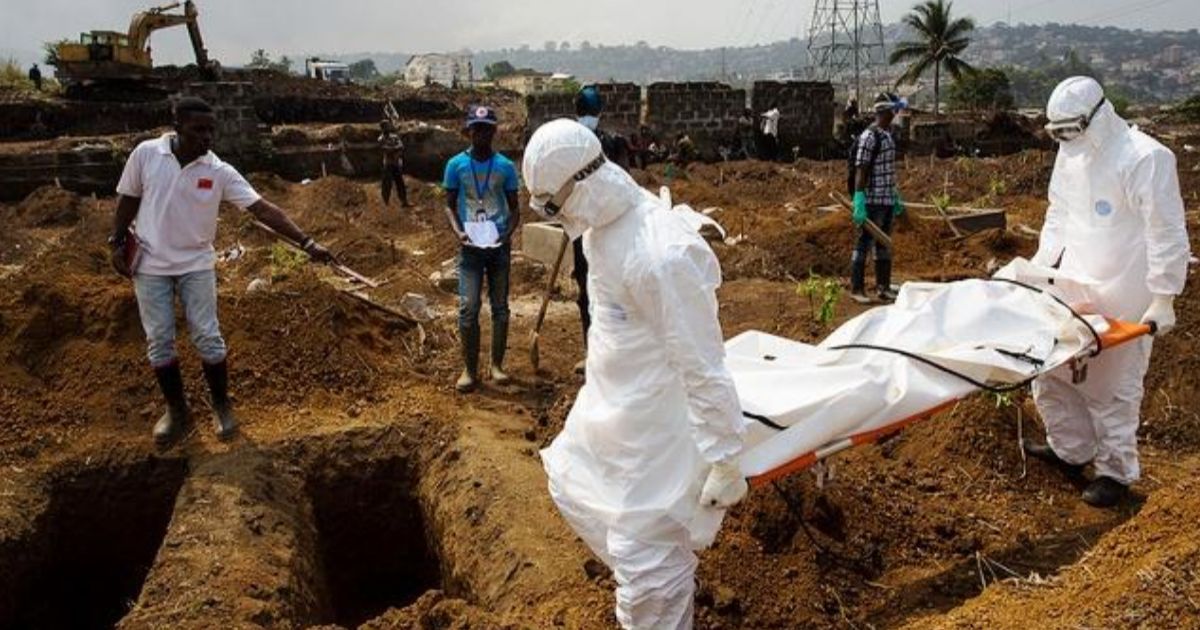
These economic failures have had devastating effects on human life. According to the Global Network Against Food Crises, Afghanistan is among the top ten countries in the world with the worst food crises. The crisis is heightened by the absence of a structural response, prompting a heightened call to action from humanitarian partners such as the World Food Programme (WFP), who report that the number of people suffering from acute hunger has doubled in the past decade worldwide.
Nationally, there is a definite sense of desperation. Unemployment is widespread, and there is a high level of extreme hunger, with resulting armed robbery and crime associated with extreme poverty. The situation is so dire that families are going to extremes to survive. A recent report from the BBC shed light on one tragedy in the Ghor province, where a man was reported to have tried to sell his little girl as a way to provide for their basic needs.