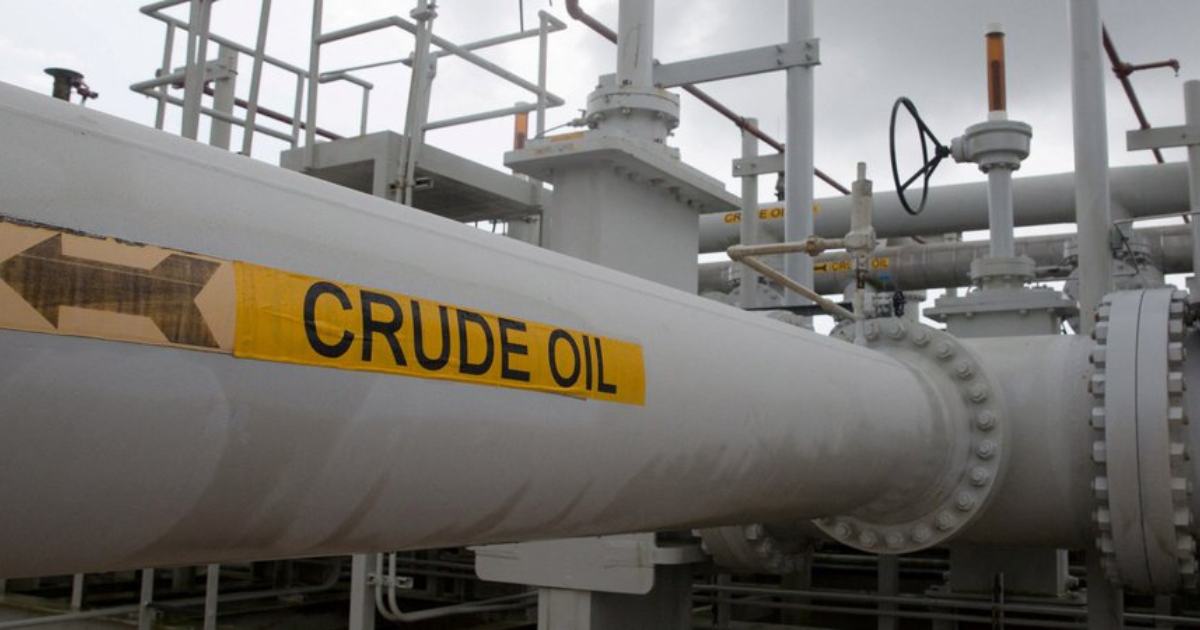
The world’s energy markets are under pressure with Brent crude oil futures at a five-month high of around $110 per barrel. Benchmark U.S. crude, which had been trading at $99.11 an barrel for next month’s delivery, also jumped. The war with Iran and the increased likelihood of more attacks in the important Strait of Hormuz is a large driver in this energy inflation.
However, despite these geopolitical concerns, flows of crude oil from the Persian Gulf are relatively solid. Its current rates appear to include a very high risk premium given the volatility in the region and record tanker freight rates are adding to global shipping costs, market analysts said. Meanwhile, U.S. Treasury officials are reportedly planning to permit the sale of sanctioned tankers as a way to increase the availability of legitimate shipping, though it is not known how soon it will be available to help ease prices.
Turning to the state of supplies, Chris Wright, U.S. Energy Department secretary, said oil deliveries from the Gulf are back to about 80% of pre-revolution levels. But he warned, he said, that refined product supplies remained very constrained globally.
Natural gas markets are seeing similarly large price increases. Asian LNG spot prices recently surged to $30.4 per million British thermal units (BTUs), the highest price since December 2022. The spikes have coincided with warnings of a recent attack on an LNG tanker by a small vessel off the coast of Yemen issued by the UK Maritime Trade Operations. The prices for gas in Europe followed suit, with Dutch TTF natural gas futures on the verge of reaching €88 per megawatt-hour.
This global fear was mirrored in the wider financial markets, with European stock markets opening in the red. French protests also brought to the fore the nation’s economic woes, pulling down the CAC 40, and the DAX in Frankfurt and the FTSE 100 in London were also hit in the early stages.
Investor sentiment was slightly helped in the United Kingdom after a report said that the UK’s Chancellor of the Exchequer, Mr John Healey, of HM Treasury, will not increase the capital gains tax for the upcoming Budget. In addition, the employment rate in the UK remained as low as 4.7% and payrolled workers rose 13,000. The Bank of England will have more room to manoeuvre with its key interest rate should it choose to keep it steady in its fight against inflation, given these strong figures.
However, Asian stocks were down, with big tech stocks leading the sell-off as investors doubted the recently fueled AI investment craze, with major corporate earnings to come up next. S. stocks including the Nikkei 225, the Hang Seng and the Kospi all fell sharply. While Wall Street has rallied with tech stocks such as Amazon and Microsoft, the high levels of debt for many companies around the world are continuing to be squeezed by the rising interest rates and high borrowing costs. Government bond yields in the United States, Germany and France fell slightly, and gold prices fell a little to $4,152.80 an ounce as markets continued to be volatile.