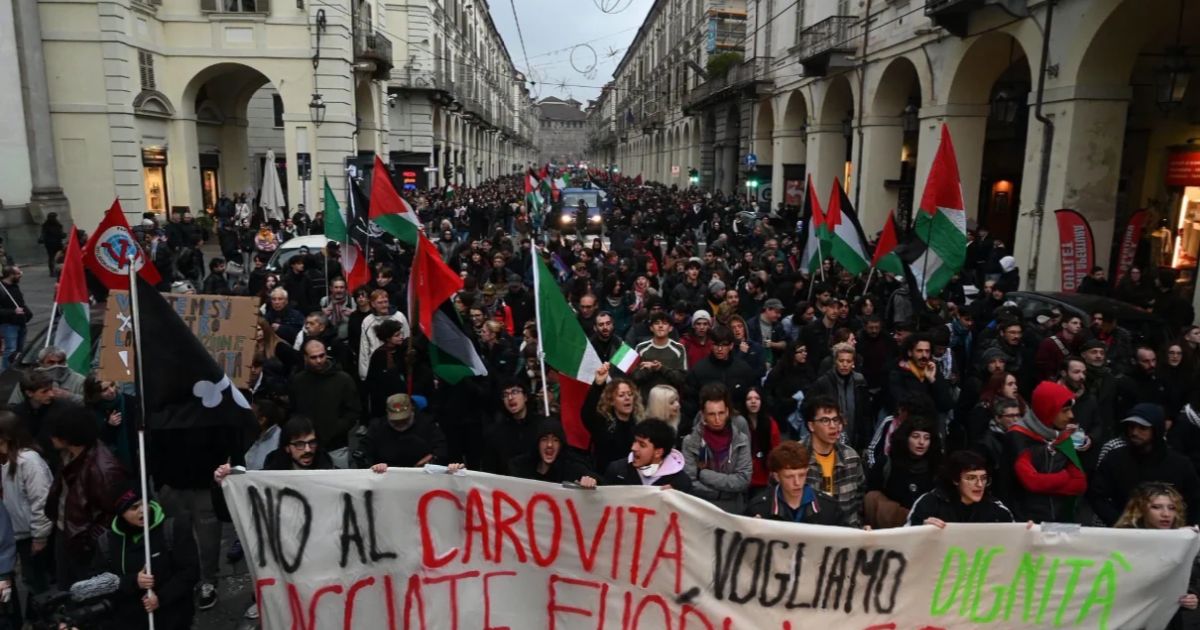
Protests have been banned in major parts of Paris by the French government after a weekend of ferocious street violence, and U.S. leaders criticized by President Emmanuel Macron for using the situation for their own purposes. The restriction will be enforced from 8 a.m. to 8 p.m. in “high traffic” tourist and political hot spots, including France’s two houses of the National Assembly and the Élysée Palace.
Other areas where you can’t go are the Bastille Square, the République square, the heavily looted shopping area of Chatelet-Les Halles and the iconic Louvre Museum. Last weekend, the French police were forced to admit that it had lost control of the situation as masked youths fought with police, raided local businesses and vandalised public property.
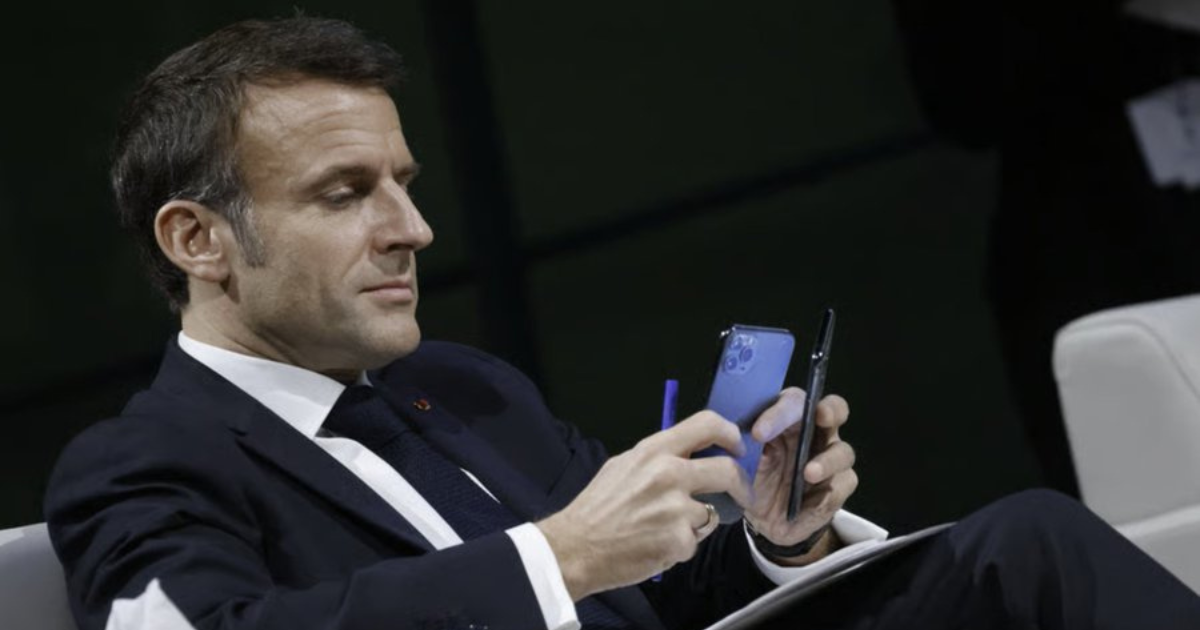
Macron’s government is doing its best to deal with the crisis as they prepare for presidential elections six months earlier, leading him to criticize foreign leaders who are competing for the presidency with “stupid comments” regarding France. He directly faulted the Israeli Prime Minister Benjamin Netanyahu and people in the White House, including pointing to Donald Trump.
In recent weeks, Trump has been using anti-immigration rhetoric on the American campaign trail to blame the French riots on “migrants, jihadists, and communists” and to praise the far-right leader, Marine Le Pen, of France. In reaction to Macron’s charges, Le Pen condemned the president’s comments as “conspiratorial” and claimed the riots were a consequence of the “sad reality” of Macron’s 10-year rule.
The recent violence had overshadowed a huge peaceful protest that was joined by over half a million people across the country against the hikes in cost of living. The government in France has banned fresh student protests, which are due to be held in Paris and Lyon, after four weeks of mass school closures were forced after student protests.
The crackdown has not dampened the spirits of France’s hardline CGT union, which is urging a “new phase” of strike action with warning of a broadened campaign early next month. The Yellow Vest movement also announced a march from Bastille square and another day of protests across the nation on November 5.
The current protests have resulted in a harsh police reaction. The Ministry of Justice said that 2,500 people were arrested during the riots, of which 917 were formally prosecuted and 174 were jailed on the spot.
The crisis of Europe’s second largest economy has thrown the world financial markets into turmoil, raising the yields of French government 10-year bonds above five percent. The unrest has also spread beyond its borders; with Belgian rioters joining the fray in smaller numbers, and Italy sending 500 troops to the Italian capital, Milan to quell the growing violence on the streets there.