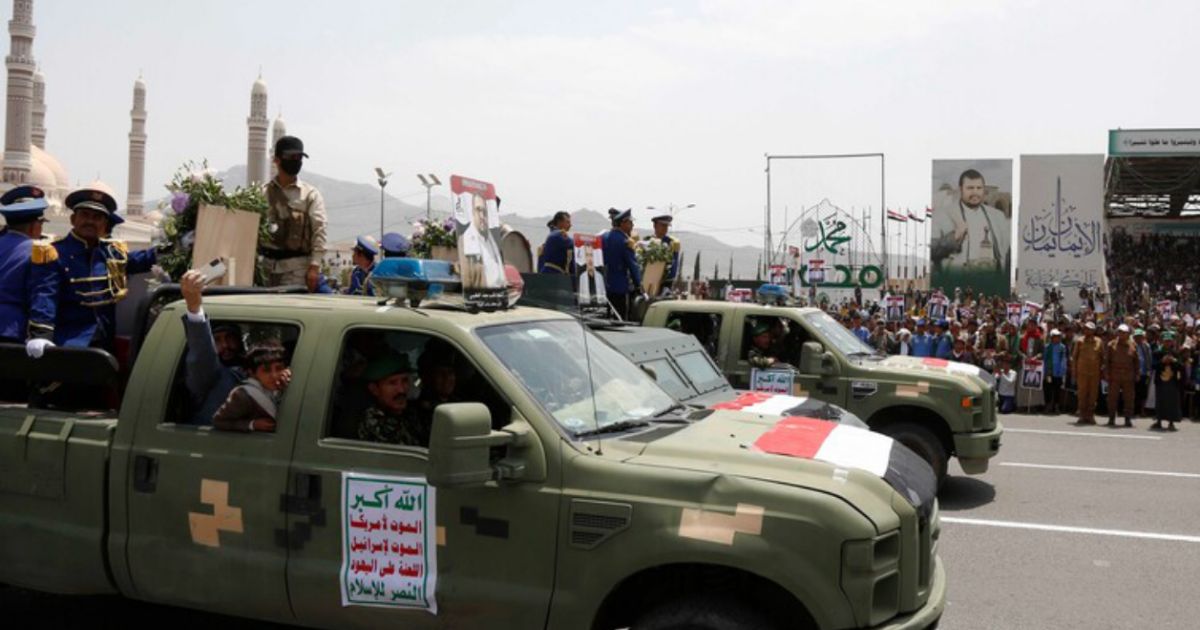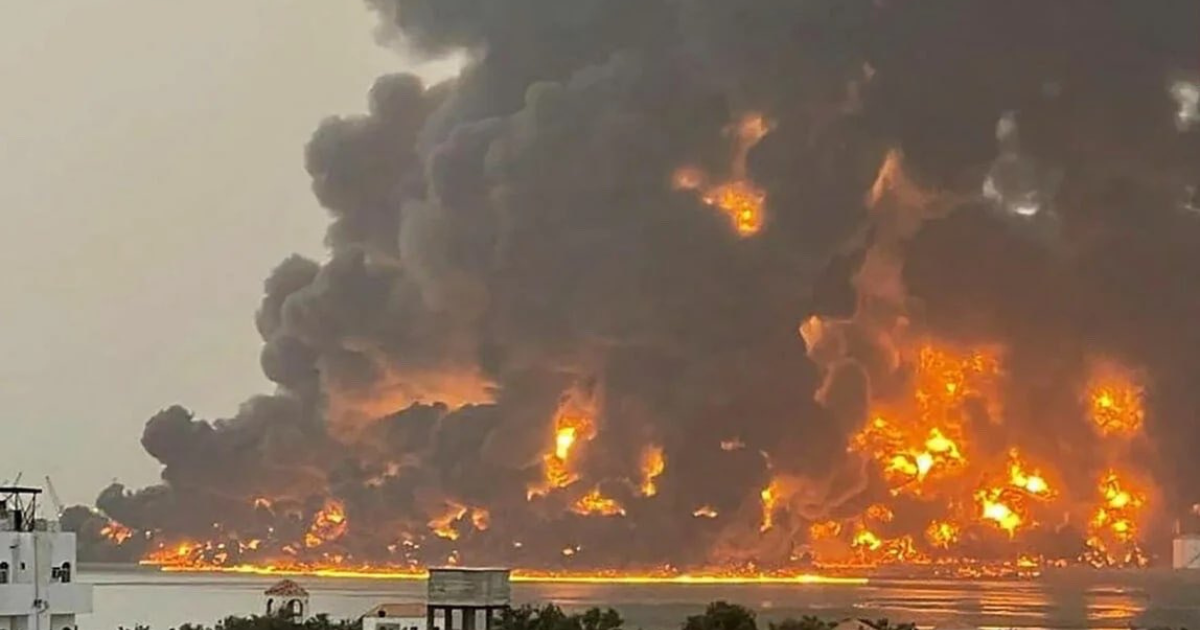
The Saudi-led coalition in Yemen has carried out an “intensive” military strike, claiming to have destroyed 82 Houthi targets in the country’s various provinces. The strikes hit civilian infrastructure in Saada, Hodeidah, Al-Jawf and Marib, in response to some of the recent attacks, the Ministry of Defense of Saudi Arabia confirmed.
Coalition officials said they have destroyed 11 mountain-based missile storage facilities, command centers and communications systems. Another ballistic missile launch pad, that was being assembled in Sanaa, for an alleged event of a ballistic missile attack on the Saudi territory, was also neutralized.
The attacks are meant to retaliate against the killing of three British nationals in the Houthis’ drone and missile strike on King Khalid International Airport in Riyadh and Abha International Airport. The General Authority of Civil Aviation said that three were killed and 36 others injured in the attacks.
As a response, the Houthis’ military officials said that the Saudi forces had bombed Sanaa and five other provinces 156 times. The militant group also said they recently repulsed an advance by the Yemeni government forces in the eastern Al-Jawf region, claiming that several Yemeni government forces were killed.
The war is quickly escalating and especially in the Bab al-Mandab strait, which is considered a strategic waterway. In such escalating regional tensions, the Government of Pakistan is in the process of defence cooperation with Saudi Arabia under the Mecca Defense Cooperation Agreement, although officials say Turkey does not have any plans to send troops.
The battle is now becoming “symmetrical attrition” with strikes now affecting civilian aviation and energy facilities, international experts say. Recently, Houthis have indicated that international flights will not operate in Saudi airspace as they have declared a zone of operations.
The situation is a humanitarian crisis already brought to its breaking point, that is being worsened by the escalation. More than 184,000 people have been displaced in Yemen since August 1, of whom more than 21,000 have left their homes in the last week alone, according to the United Nations Office for the Coordination of Humanitarian Affairs.
Analysts at the United Nations and other international organizations say if the war escalates further, disruptions to the Bab al-Mandab Strait could seriously disrupt world shipping and cost the world of energy security.