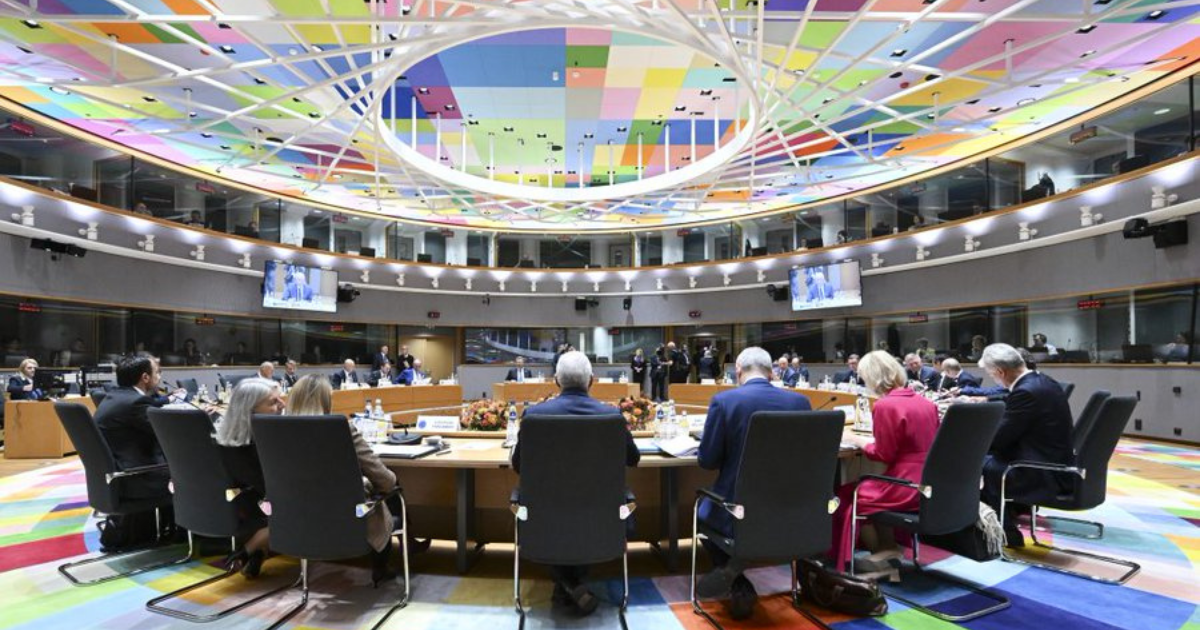
This week, the negotiations between the Government of Pakistan and the International Monetary Fund (IMF) are expected to wrap up in a positive manner. If the outcome is successful, it will pave the way for one of the crucial $1.2 billion financial disbursements that will help the country’s economy.
These are additional resources of the Extended Fund Facility (EFF) which also includes a Resilience and Sustainability Facility (RSF) of $1.4 billion. The Ministry of Finance and the international financier are now in the final stages of drafting the Memorandum of Economic and Fiscal Policies.
The recent discussions in the review were held without any significant new demands being made by the Fund, according to sources within the organisation. Importantly, the national revenue goal has not been altered in any way, offering stability and predictability to the State Bank of Pakistan and Federal economic planners.
In addition to economics related to short-term measures, making planning for the importation of liquefied natural gas (IFG) for the most important winter period from the months of December to February, is also necessary for the state authorities. The authorities are trying to deal with significant supply route problems exacerbated by an ongoing geopolitical crisis between Iran and the US.
Meanwhile, the government and energy regulators, including the Oil and Gas Regulatory Authority (OGRA), are taking tough measures to curb the spiraling circular debt in the gas industry. As a result this sector-specific debt has reached an alarming level of Rs 3.6 trillion, and government and its foreign lenders must pay special attention to its containment.