New Zealand’s updated World Heritage Tentative List has been drawn up with 9 sites representing some of New Zealand’s most important cultural and natural heritage.
Being listed in the Tentative List is a significant step towards becoming a UNESCO World Heritage site. World Heritage status is one of the most prestigious international designations that can be awarded for sites that have OUV (Outstanding Universal Value), which is of significance to the people of the world today and in the future – not just nationally.
The Department of Conservation (DOC) undertook a review of the existing Tentative List for New Zealand, to determine sites that have robust selection for the criteria of the World Heritage Convention. In May 2025, DOC invited applications, which were assessed by an independent expert panel appointed by the Conservation Minister.
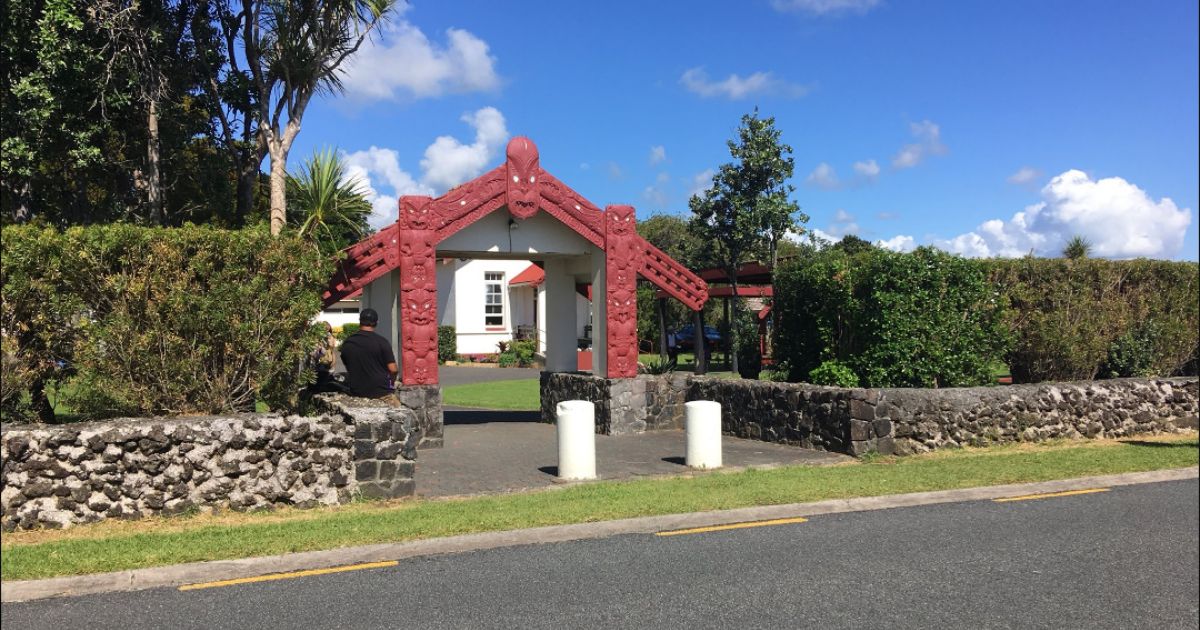
The nine sites chosen are across a broad spectrum of New Zealand’s cultural, historical and natural heritage. These comprise Waitangi Treaty Grounds/Te Pitowhenua and Te Tii Marae, the place where Te Tiriti o Waitangi/The Treaty of Waitangi was first discussed and signed in 1840.
Other sites include Mataatua Wharenui – Te Mānuka Tūtahi, a large carved Māori meeting house in Whakatāne, which was significant in the campaign for Māori rights; Te Whare Waiutuutu Kate Sheppard House in Christchurch, associated with Kate Sheppard and New Zealand’s suffrage movement; and Parihaka Papakāinga, a historic Māori settlement of nonviolent resistance to the confiscation of Māori land.
Te Kauwhanganui Māori Parliament Building, Monument, and Taonga Collection are also on the list in Morrinsville, where a unique Māori Parliamentary system and a large collection of documents, many in te reo Māori, are preserved.
A few natural and cultural landscapes have also been chosen. Te Hauturu o Toi/Little Barrier Island is recognised for its substantial conservation values and the presence of a near-pristine temperate island ecosystem. Tch Tatatei Awanui/Wharekauri Scenic Reserve is situated in the coastal landscape of the Chatham Islands and is of considerable cultural and archaeological importance to the Māori. Ngā Tapuwae o Mataaho, Auckland Volcanic Fields, is made up of volcanic features as well as having a strong Māori cultural and historical connection, while the Kermadec Islands and Marine Reserve is one of New Zealand’s most strictly protected natural areas.
The chosen sites show great potential to fulfil the very strict criteria of the UNESCO World Heritage Committee for World Heritage status. The inclusion of these does not imply that they are already World Heritage sites. Rather, its aim is to enable their nominators to start drafting comprehensive nomination dossiers.
DOC will present the updated Tentative List to the World Heritage Centre of UNESCO. The next phase will be to demonstrate the OUV for each site, the protection and management measures that are in place, and the support of relevant communities and rights holders.
There are currently three World Heritage sites in New Zealand: Tongariro National Park, Te Wāhipounamu – South West New Zealand World Heritage Area and the New Zealand Subantarctic Islands.