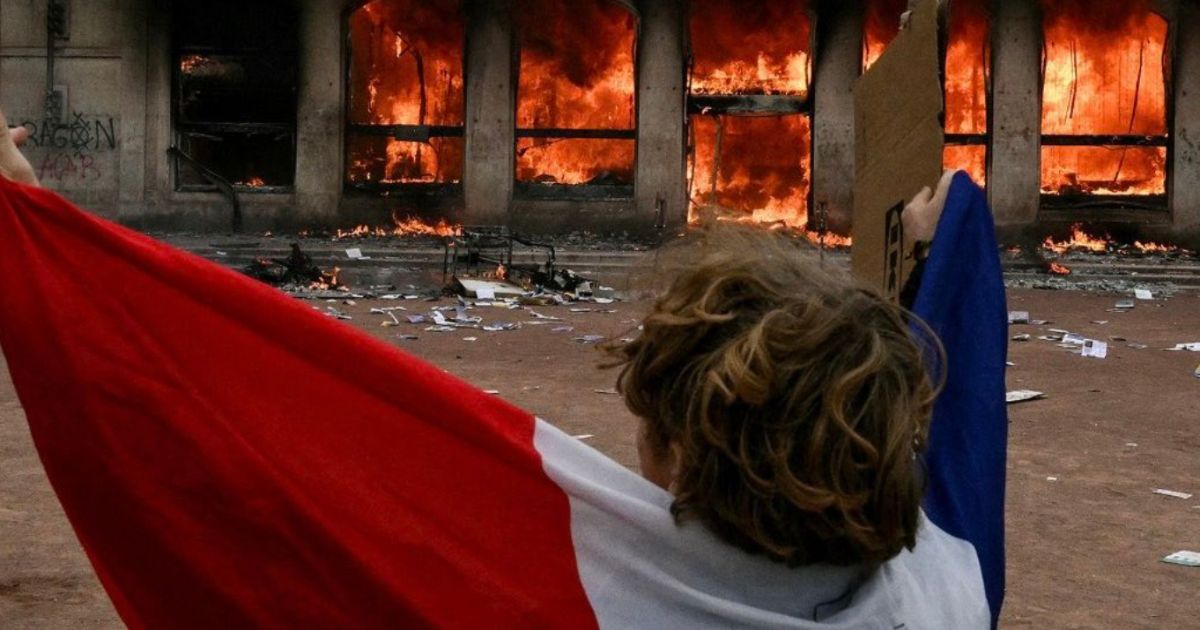
The movement of France’s mass demonstrations by high school and university students has been sweeping the country as young people call for improvements in the country’s education system. The protests have been held since September and have now spread to several cities as students voice their complaints about overcrowded classrooms, old schools, insufficient school staff and lack of funding for education.
The blockades reportedly have been affecting hundreds of schools, and university students are also involved in the protests. Labour unions led by the teachers’ union have welcomed the move, urging their members to boycott work in the cities of Paris, Lyon and Marseille.
The demonstrations have also grown in intensity as protesters clash with police and are injured and arrested. This series of clashes has resulted in several injuries among the students and has put authorities’ method of handling the protests into question.
Another instance is that of one student being seriously injured by having his hand cut off in a clash with the riot police. A second youth was seriously injured when he was hit by a tear gas canister at a previous protest. The incidents have reignited the demand for police to protect young protesters while ensuring public order.
According to the French Education Minister Edouard Geffray, “It is essential that we defend the students,” however, he condemned the “extreme violence” in the movement. The government officials have called for dialogue and condemned the attacks conducted by protesters, police and others from the general public.
In addition, the government has put in place certain steps to help resolve some of the issues facing the students and workers in the educational sector. However, the student organizations claim that the plans are inadequate.
The protests have also started to turn political in light of the growing demonstrations. Left-wing organisations have blamed police for using excessive force on the protesters, while the government and the right-wing have blamed those on the political left for fomenting unrest. Leaders from the extreme right wing have demanded harsher responses to violent demonstrations, while left-wing groups have maintained that the students have the right to protest.
Although there are political differences, the main issues of the movement are education and students’ future. The protesters are demanding improved staffing and school conditions, and more funding for schools.
With the spreading of the protest wave in the country, the French government is facing more and more pressure to react to the students’ demands and prevent the violence. This situation raises questions related to such aspects as public services, youth problems, and the future of the French educational system.