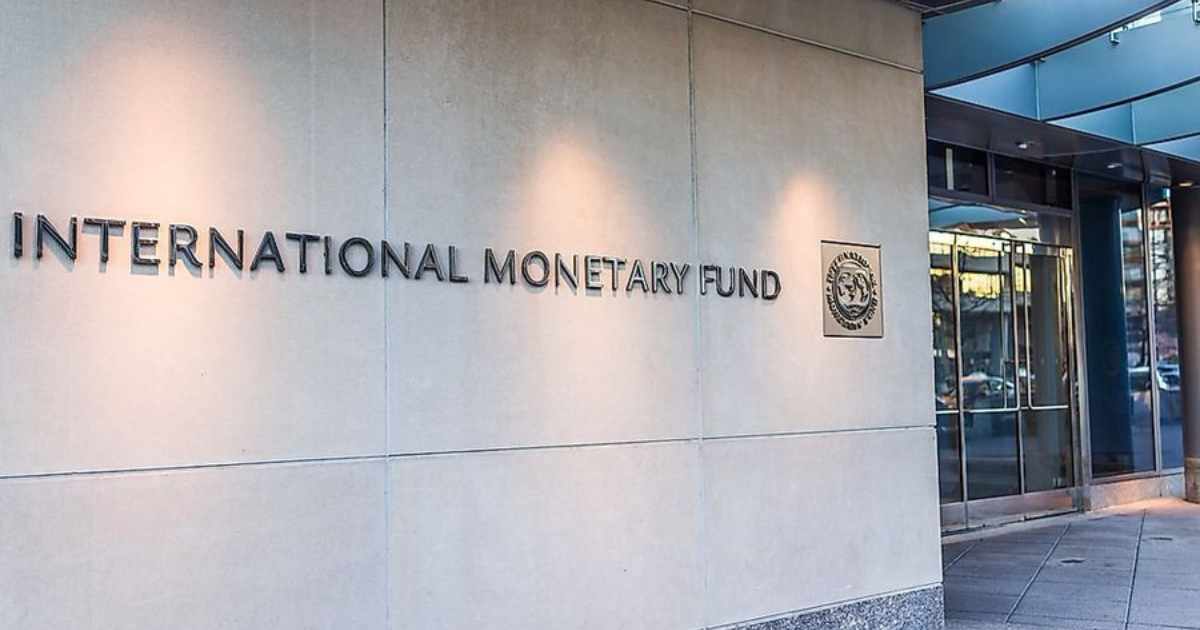
The Senegalese government and the International Monetary Fund (IMF) have completed two years of hard and sometimes difficult talks to finalize a new financing agreement of $2.2 billion. The objective of this 36-month Extended Credit Facility, is to bring stability to the economy of the nation, but there is a big political and economic condition attached.
In an unusual move, the Senegalese government, in a statement issued by the Ministry of Finance and Budget, said that the nation will officially restructure its debt. The deal is a significant concession by the government of President Bassirou Diomaye Faye, who had already rejected the idea of such a radical economic move.
The new financial program is meant to assist in the overall public finance reform and greatly enhance budget transparency. It also seeks to bring the national debt on to sustainable course and protect the country’s most vulnerable households from economic shocks.
This new pact is largely due to the abrupt termination of Senegal’s previous $1.8 billion IMF program in 2024. The financial lifeline has been shut down after the disclosure of the nearly $13 billion in debt that was never disclosed in former President Macky Sall’s budget.
Since this scandal of “hidden debt” was exposed, Dakar has not been supported by the main international donors. The government was heavily dependent on regional markets for financing and this dependency recently caused Moody’s to rate the country’s sovereign rating at Caa2 because of the increasing refinancing needs.
Senegal will have to implement some serious corrective actions and unwind the financial reporting errors to restore economic stability and obtain final approval from the IMF’s executive board. However, the government’s official response is that its liabilities should be restructured through the G20 Common Framework, which is crucial.
Senegal is one of the few African countries which have not defaulted after using the Common Framework. The government will seek debt relief from official creditors on a case-by-case basis, but will deal with private creditors individually. Officials have assured that only external debt will be restructured, leaving the debt in CFA francs completely out of the talks.
This economic shift is likely to finally give Dakar access to external financial sources. The reconstruction of this international trust will also be effective in freeing up frozen developmental funding from other global partners such as the World Bank and the African Development Bank.
This strategic economic pivot is expected to finally provide Dakar with a viable route back to external financing. Rebuilding this international trust will also successfully unlock frozen developmental funding from other major global partners, including the World Bank and the African Development Bank.