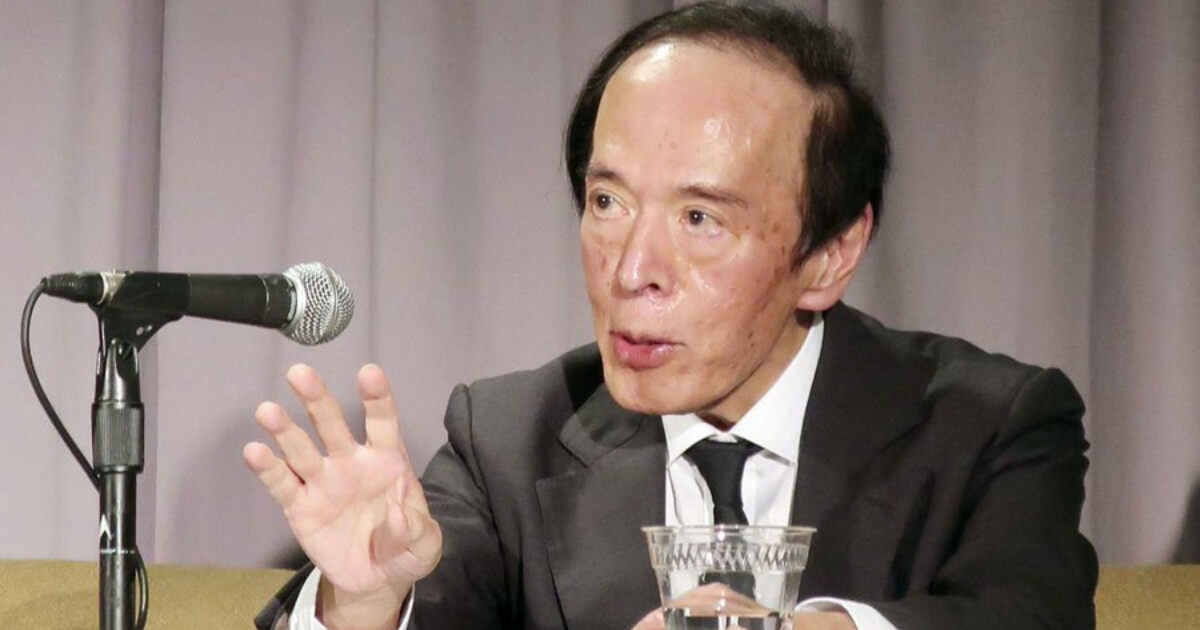
In Japan, inflation is expected to hit the central bank’s 2 percent price stability target on a steady basis, Bank of Japan (BOJ) Governor Kazuo Ueda said. Speaking at the meeting of G20 finance chiefs in Asheville, North Carolina, Ueda said the Policy Board will be discussing whether or not it should raise rates in its next meeting in mid-September.
The Bank of Japan will closely monitor risks that inflation could rise in the future when making decisions on monetary policy. The central bank did not raise the current 1.00 percent policy rate in its July meeting, but Ueda pointed to a number of important factors that will shape its future policy decisions. They range from continuous currency fluctuations to geopolitical risks in the Middle East and the global boom in A.I. demand.
During the Asheville summit, Ueda held fruitful discussions with counterparts from the U.S. Department of the Treasury. Treasury Secretary Scott Bessent has been pressing the Japanese central bank for years to increase its rates, as the yen stubbornly refuses to strengthen. The two leaders met over the weekend, and after the meeting the Treasury Department issued a statement pledging its strong support of “robust monetary measures” to correct “significant undervaluation of the yen and its role in domestic inflationary pressures.”
Co-chair Bessent publicly proposed that Japan move away from its historically easy monetary policy, which it has been able to pull off to some success in reflating the economy. The bilateral talks are the latest in a rare joint currency market operation that took place a month ago by the US authorities and the Japanese Ministry of Finance to shore up a rattled yen.
The yen’s continued weakness further adds to inflationary pressures in the resource-poor nation, heightening higher energy costs stemming from the continuing conflict in Iran. The implications of the currency devaluation on the Japanese economy are being keenly watched by the Japanese Prime Minister and his cabinet as the domestic financial markets respond to the changing dynamics. Those growing worries were on display in Tuesday trading in Tokyo, where the yield on benchmark Japanese government bonds hit 3.000 percent, the most since 1996.