The Trump administration’s new rules for how mail ballots are counted pose a big practical challenge for election officials in the United States: They just don’t have enough time to meet.
As seen in recent interviews and court filings, voting experts and local election administrators stated they will not be able to meet the United States Postal Service (USPS) requirements before November for a myriad of reasons, including logistics. The fact is that this is true even if the millions of dollars necessary to make the quick transition can somehow be made available to states.
The government has called the new postal rules as “modest changes.” But if state and local officials don’t come up to speed on these demanding standards, the agency says it won’t provide their ballots, with the potential for mass voter suppression.
Election officials have been very conscious of calming fears in the community to avoid panic. They’re communicating a clear message: The Nov. election will be conducted safely and all citizens right to vote by mail or in person will be strenuously defended.
However, The White House has turned a blind eye to the backlash so far, and is moving quickly to squelch it. States were given months to prepare, an administration spokesperson said, and cited partisan lawsuits trying to derail steps to ensure ballot security as the reason for the confusion.
The mandates are pending because at the moment a federal court has issued a temporary ruling that they’re on hold. The administration is seeking to appeal that ruling. The plan, which had already appeared before the Supreme Court of the United States once before, is likely to be headed back there in the near future.
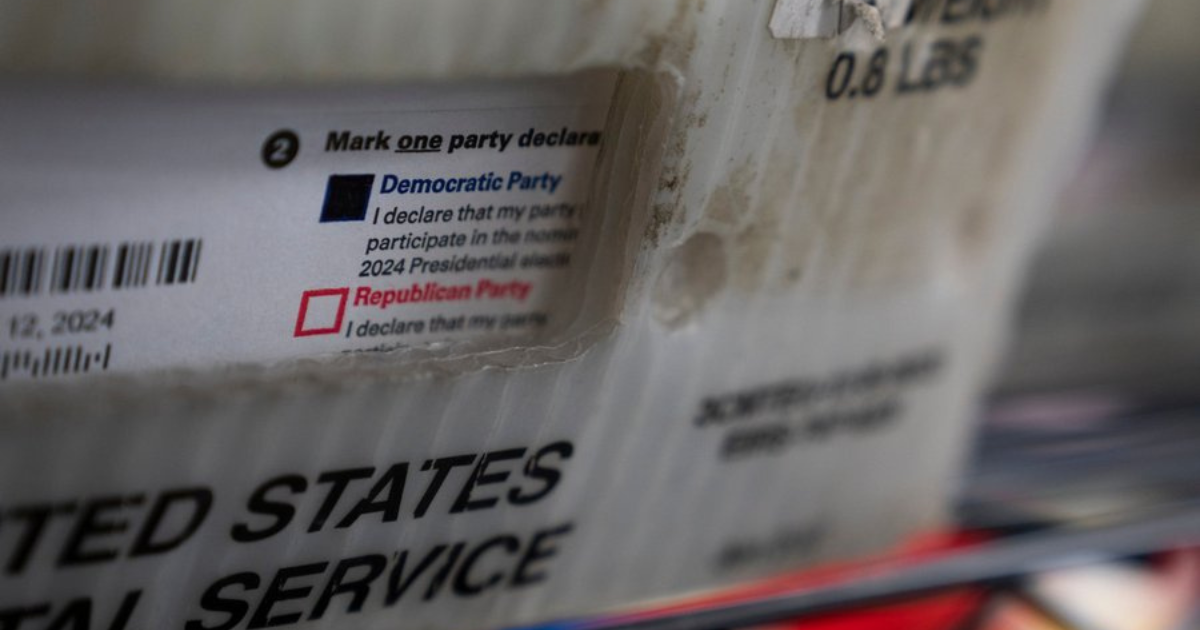
One of the most difficult requirements is for each ballot envelope, both outgoing and incoming, to carry a unique barcode so it can be easily tracked. Tracking mail sent out is fairly common, but it is a massive change to implement for mail returned.
State officials say the vendors don’t have the time or paper stock to re-print the millions of envelopes needed. Post-pandemic paper shortages, for example, would significantly slow any immediate reprinting orders city wide, Oregon Secretary of State representatives said. In addition, the USPS has only about 40 design analysts to review thousands of various designs of local ballot envelopes, resulting in nearly impossible authorization.
Another significant need is an untested USPS entry point through which election offices will have to constantly submit and update lists of voters who will receive mail ballots. According to a recent USPS whistleblower report, the agency gave the IT system—which they did not develop—or just a few days to test this.
It cited serious risks with the data, noting that a voter’s envelope could be rejected if there is a mismatch between the information on the envelope and the database.
This huge data uploading operation would take thousands of hours of state/ local offices to authorize and train the staff. The Arizona Secretary of State voiced significant worries that the portal would eventually slow down from “massive” jurisdictions such as Maricopa County with more than 2.5 million voters.
State leaders note that their primary goal is to conduct a safe election and won’t budge from emergency executive orders that could cause chaos in the democratic process.