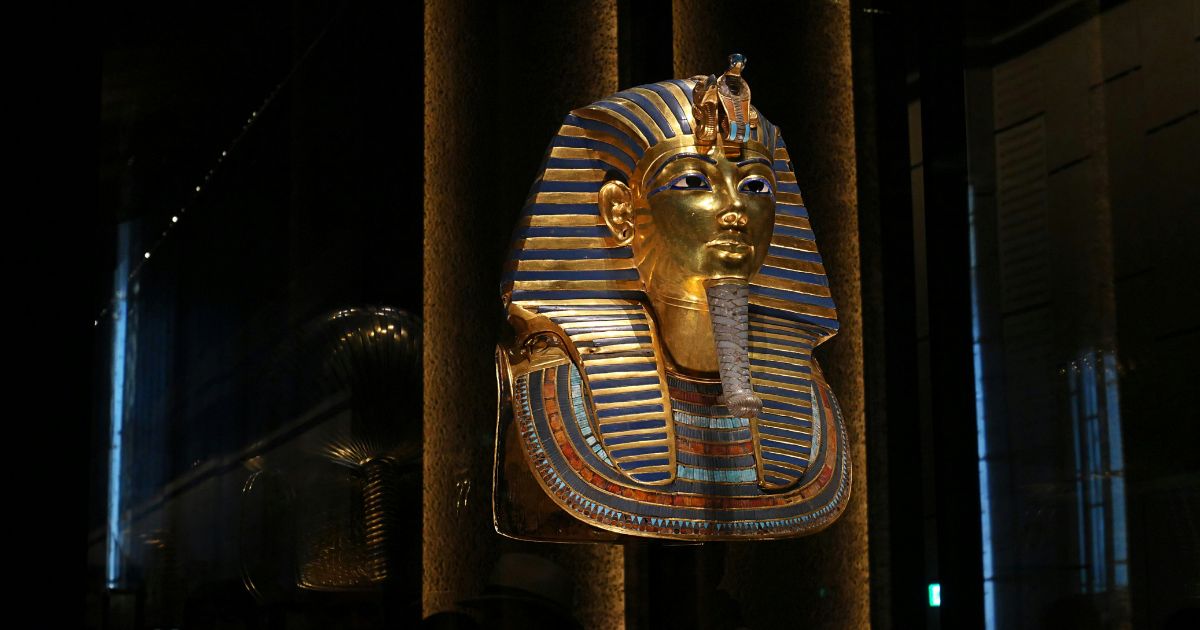
The recent exhibition of Egyptian antiquities in Hong Kong has shown how much people have remained interested in history and the cultural interaction between Asia and the Middle East.
Huge numbers of artifacts from ancient Egypt came together to create the exhibition so that people could learn about thousands of years of history and civilization. It was one of the major cultural events in the city and attracted many people from both the city and from other parts of China and Southeast Asia.
A major component was the integration of state-of-the-art technology to bring ancient history alive. The use of digital projections and interactive displays helped to recreate historical items and present them in a manner that would help visitors understand how they looked and why.
Traditional artefacts were matched with new technology, too, which showed the Museum’s transformation of the presentation of cultural heritage. This is no longer a mere display behind glass, but a more interactive way to bring the viewer closer to the objects, to distant times and civilisations.
The event also helped to foster the broader cultural and creative economy. There was a high demand for products associated with the exhibition – such as collectables, books and other themed items. Cooperation with companies and transport companies further extended the exhibition beyond the museum.
Of course, the attendance was good, reflecting continued public interest in international cultural exhibitions. People who visited included families, residents and visitors from abroad who saw the event as a chance to taste Egyptian heritage without having to go abroad.
In addition to its traffic of visitors, the exhibition had broader diplomatic and cultural implications. Inter-regional museum and history and cultural institution collaborations can generate sustainable relationships and promote future cooperation in archaeology, conservation, education and the arts.
The exhibition also demonstrated the fact that China and Egypt have always been two countries with a long history of cultural connection. These kinds of events offer an opportunity for people to learn about the history and traditions of both countries, as the two nations work together to foster cultural cooperation.
The success of this exhibition reflects the importance of the museum as an international forum for discussion. Ancient objects can be used to provoke interest, learning, and understanding among different cultures, as well as remind people of their past.
These exhibitions may prove to be an increasingly important tool for involving global history into modern-day society through the use of digital technology by cultural organizations.