In a major move, the International Monetary Fund has ended its first economic programme in Nepal in almost 20 years. After a lengthy effort, the country has achieved a much lower inflation rate of 1.7% in fiscal year 2025-26 than the 7.7% average it had recorded since the reforms were implemented in 2022.
The country also accumulated a huge financial reserve by increasing the gross foreign exchange reserves by over twice that needed to finance imports in the foreseeable future. Moreover, the primary fiscal deficit was kept low enough, thereby controlling the risk of public debt to be at an impressively low level.
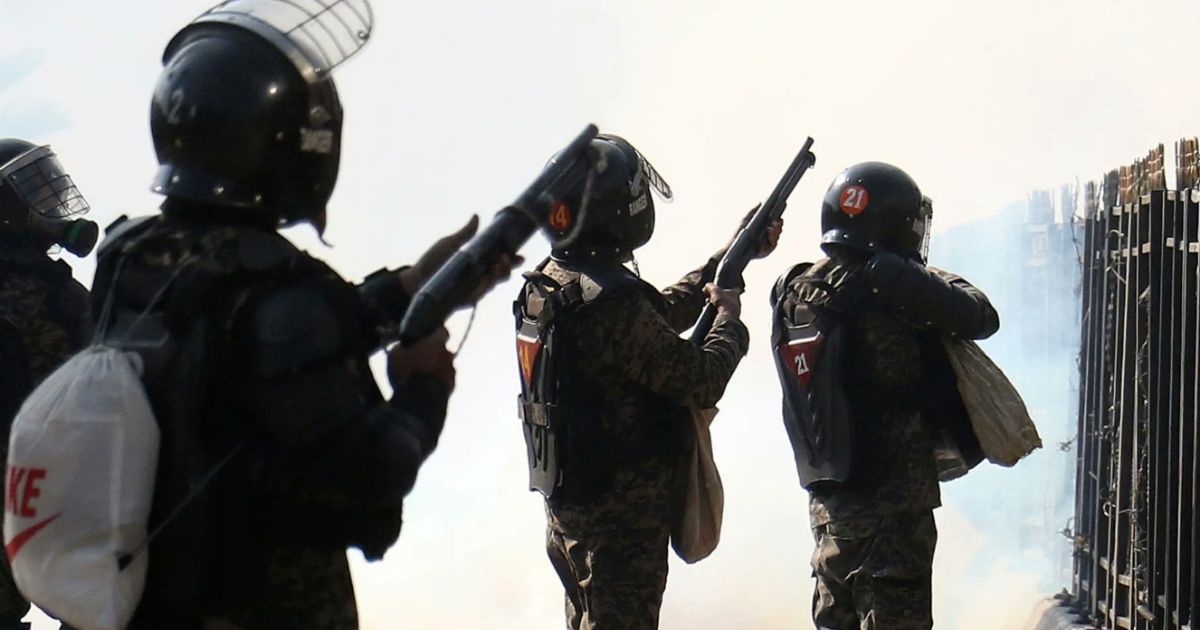
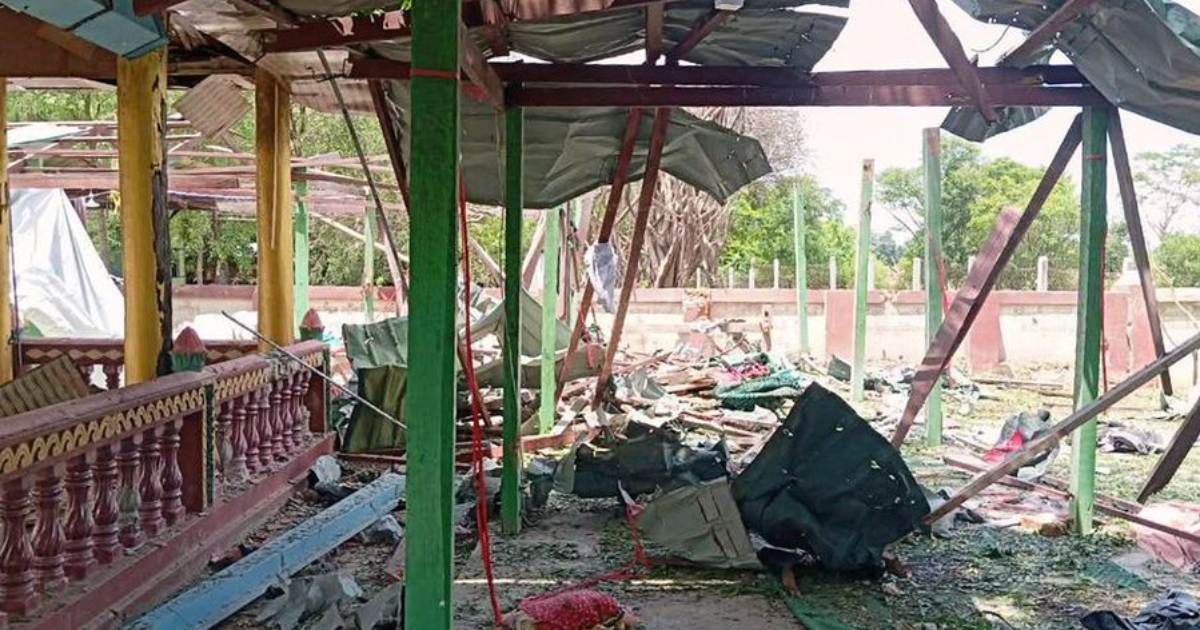
It is remarkable that this program survived the multiple and intense structural shocks faced by Nepal. The economy had to deal with several changes in government leadership in the Office of the Prime Minister and Council of Ministers, as well as a big earthquake in 2023, intense flooding in 2024, social unrest in 2025, and high energy prices due to war in the Middle East in 2025.
These constant disruptions were reflected in economic growth. After the initial impact of natural disasters, real GDP growth has declined to 2.0%, but is still expected to rebound to 4.6% for fiscal year 2026 and then level off at 3.0%. Finally, a fixed policy anchor saved these successive crises from totally undermining the economic structure.
The significant differences over all these years were much more institutional than visible. Nepal Rastra Bank completely restructured the monetary policy framework and strengthened supervision of the financial sector, including effective bank supervision and intensive loan quality assessments.
The Ministry of Finance has also taken a huge step to improve transparency of the state budget, as for the first time the financial statements of state-owned enterprises were released. The government also strengthened its measures against money laundering and prepared a thorough plan for generating revenue for better long-term macroeconomic policies.
However, there are still many issues that lie unresolved. The domestic job creation is very low, and private investment is also significantly lagging; parts of the financial system, such as savings and credit cooperatives, are still highly vulnerable. In addition, authorities have recently begun an intrusive Governance and Corruption Diagnostic to deal with the current public sector inefficiencies.
The facts on the ground are that high foreign reserves and low inflation rates are a sign of the high dependence of the economy on the remittances. The present financial security is not because of robust local production, but mainly because of the young Nepalese sending money home from abroad. Future thinking on structural strategies, whether at the national planning commission level or through other means, should be heavily geared towards job creation at home, social protection and private investment to truly be resilient to future economic shocks.