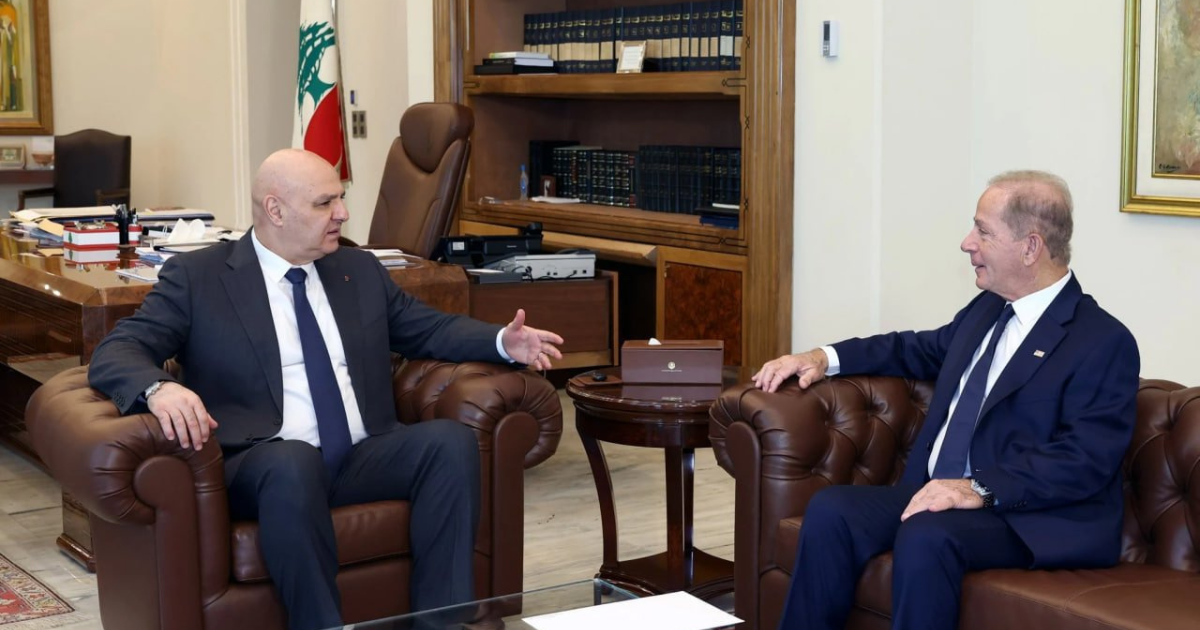
The Israel-Lebanon diplomatic relationship reached a new stage when both countries decided to start direct talks after their officials conducted successful talks in Washington. Marco Rubio, who served as the U.S. Department of State representative during the negotiations, described the agreement as an exceptional chance to build a peace that would endure through time.
The two countries established their first direct diplomatic relationship through these talks which began in 1993. The two countries have maintained a state of war for decades, yet both Israeli Ambassador Yechiel Leiter and Lebanese Ambassador Nada Hamadeh Moawad reported that their discussions achieved positive results. The Government of Israel declared its intention to establish peaceful relations through normalization, yet it maintained that Hezbollah must be eliminated to protect national security.
Lebanon’s ambassador stated that the country required an instant halt to fighting, while he demanded that Lebanon regain complete control over its entire territory, which Lebanese President Joseph Aoun supported. Hezbollah opposition to the talks reached its peak when the group launched rockets toward northern Israeli cities at the start of the meeting. The United States is working to find a quick solution for this conflict because its ongoing existence threatens to break the delicate two-week ceasefire that protects the wider conflict between the United States and Iran.
U.S. Imposes Naval Blockade on Iran as Truce Holds
The White House has established strict naval blockades against Iran while diplomatic efforts with Lebanon continue their progress. U.S. Central Command announced that the newly imposed measures cover all vessels attempting to enter or depart from Iranian ports and coastal areas.
President Trump aims to cut off Iran’s funding and pressure Beijing—Iran’s largest oil buyer—into forcing Tehran to reopen the Strait of Hormuz. Iran’s military condemned the blockade as piracy because it threatened every Gulf port with danger while China called the U.S. strategy “dangerous and irresponsible.”
The U.S-Iran truce remains in effect despite rising maritime tensions because new discussions will probably occur in Pakistan within the next few days. According to the United Nations, Secretary-General Antonio Guterres stressed that there is “no military solution” and urged a return to serious negotiations. Future talks will likely focus on Iran’s nuclear program because the U.S. wants a 20-year uranium enrichment freeze while Tehran has offered a five-year plan and Moscow plans to secure Iran’s enriched uranium under a possible agreement.