China’s economy exceeded market predictions during the first quarter because it achieved 5% annual growth which surpassed the 4.8% forecast made by economists.
The world economy experienced extensive energy supply interruptions because of the US-Israel conflict with Iran which started on February 28. The global economy could not handle these interruptions yet the world economy continued to grow.
Manufacturing and Exports Drive Surprising Q1 Rebound
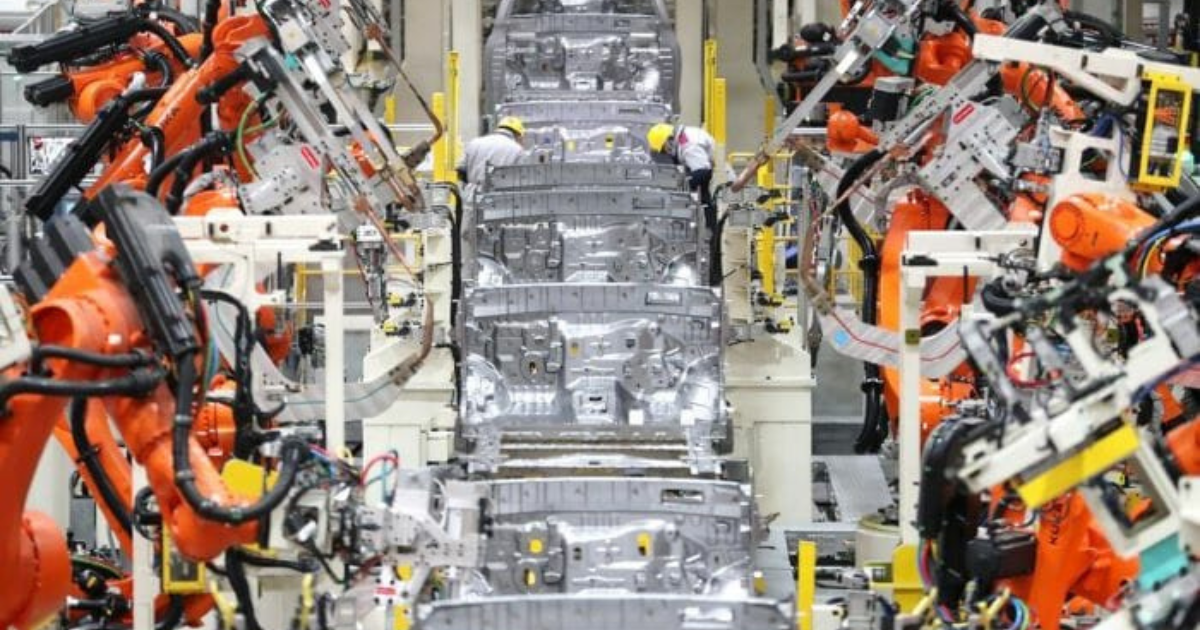
The 5% gross domestic product (GDP) expansion represents a strong recovery from the previous quarter which registered a lower 4.5% growth rate. The National Bureau of Statistics of China reports that the manufacturing sector drove this growth while key exports including automobiles and other goods served as major positive contributors.
This positive performance represents the first official GDP release since Beijing strategically lowered its annual economic growth target to a range of 4.5% to 5%. The State Council of the People’s Republic of China established this benchmark through the current Five Year Plan as its lowest economic growth target since 1991.
The government will support these economic targets through substantial funding for both innovation initiatives and high-tech sector development and domestic market growth. The second largest economy in the world continues to face major internal challenges which include declining consumer spending and population decrease and ongoing difficulties in property development.
Looming Trade Challenges and Global Energy Pressures
The current economic forecasts for the quarter will show weaker GDP results because analysts expect the Middle East conflict to create economic damage which has not yet been fully experienced. Figures released by the General Administration of Customs show that China’s export growth slowed down to a six-month low of 2.5% in March. The electronics market experienced a major sales increase which led to a 20% rise in January and February sales.
China’s monthly trade surplus decreased to just above $50 billion in March after imports increased almost 28%. The increase in imported goods value connects directly to the rising international prices which have resulted from the Iran conflict. The valuable shipping route through the Strait of Hormuz has experienced increased threats against vessels, which has resulted in higher crude oil and related material prices. China has depended less on Gulf oil compared to Japan and South Korea, yet domestic petrol and jet fuel prices have become increasingly costly.
The persistent global trade tensions bring additional problems to the existing energy crisis. The U.S. Department of the Treasury recently indicated that Washington may restore 10% tariffs on most Chinese goods by July, reversing previous Supreme Court decisions. The upcoming meeting between US President Donald Trump and Chinese President Xi Jinping in May will revolve around critical issues which these policies create.
The Ministry of Commerce of the People’s Republic of China needs to navigate through multiple challenges which it faces at this moment. The conflict leads to higher global inflation which results in international consumers spending less money thus making it harder for China to maintain its export-based economic growth.