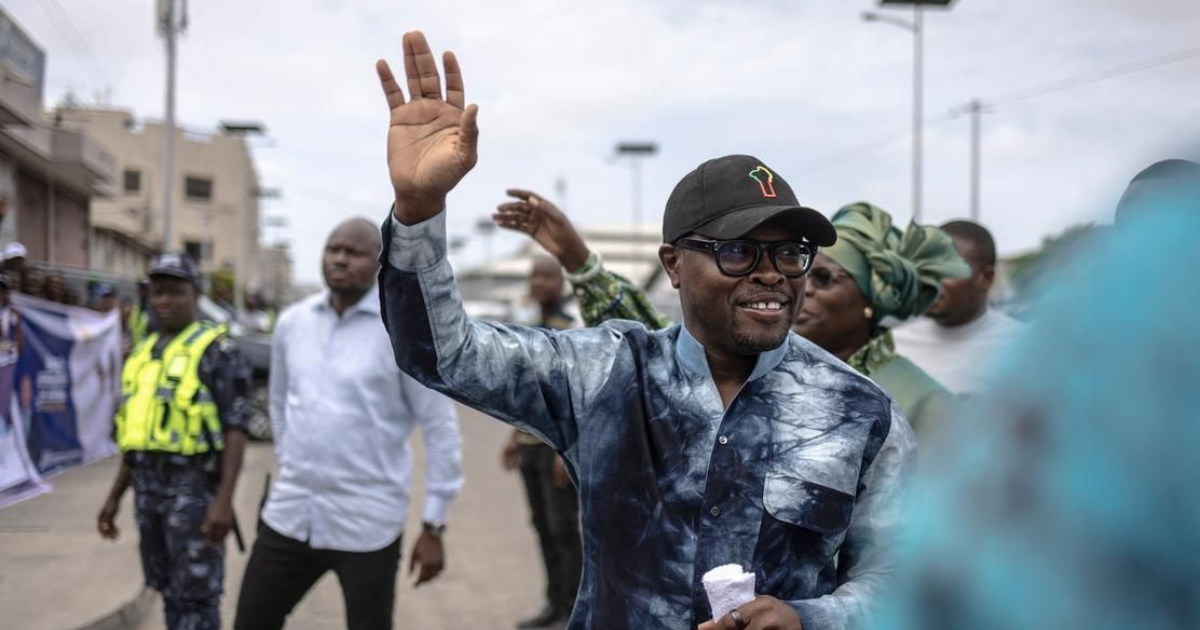
Security issues in Benin have become the only focus for the upcoming presidential election which will take place on Sunday. The peaceful atmosphere which once existed in Benin now faces disruption by militant Islamic groups who have taken control of large parts of West Africa. The violent extremism threat which now extends beyond national borders has created a political situation where voters consider national security as their main concern which will determine their election decisions.
The current electoral process takes place during a highly unstable period which threatens the functioning of democratic systems throughout the nation. The recent unexpected threats against both civilian leadership and regional security have created extreme tension throughout the political environment.
Surviving a Military Coup Attempt
Sunday’s election takes place just four months after outgoing President Patrice Talon narrowly survived a violent military coup attempt. The severe domestic crisis erupted when a faction of mutinous soldiers actively attempted to overthrow the democratically elected government. The insurrection was ultimately stopped through immediate military action which Nigeria provided as its main defense force for the region.
The Federal Republic of Nigeria used its warplanes to bomb rebel positions because it worked together with the Republic of Benin Presidency. The conflict across national borders brought military support which enabled Benin to maintain control over its civilian government. The tactical response brought quick success because it protected the capital city while showing that defense partnerships between countries help protect democratic systems during times of domestic unrest.
The Regional Threat of Extremism
Nigeria’s essential military intervention stopped Benin from experiencing the same political disaster which affected other West African countries. In recent years, Niger and Burkina Faso and Mali have all experienced destructive military coups. In these nations, armed forces violently seized power as widespread public disillusionment grew over the systemic failure of civilian governments to successfully beat back advancing militant factions.
Global anti-terror organizations which include the United Nations Security Council continuously monitor these aggressive insurgent groups that have established alliances with al-Qaeda and the Islamic State (IS). The violent expansion of their organization presents a direct threat to the fundamental stability of the Economic Community of West African States (ECOWAS). The Sahel security situation has worsened yet experts continue to warn about the extreme security risks which face coastal nations including Benin. The new presidential administration will need to start its work on protecting national borders because all existing political conflicts now threaten to destabilize the entire region.