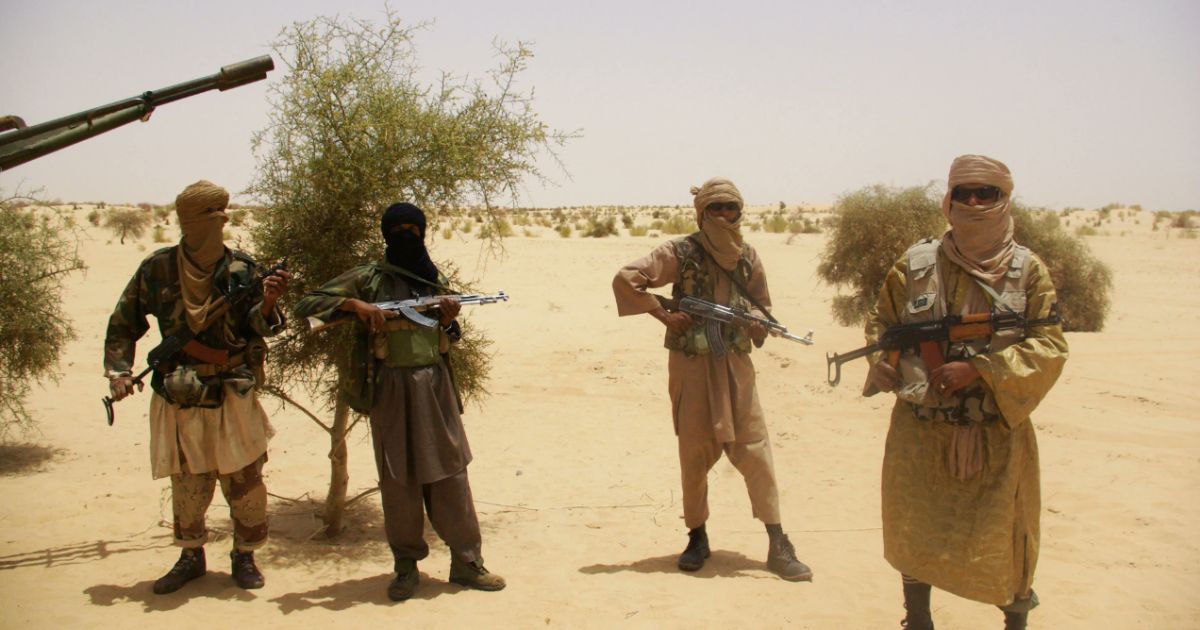
According to local and security sources, suspected jihadists have entered a village in Burkina Faso and killed at least 12 civilians, including nine volunteers that assist the military, on 17th March.
The military junta that has led the West African country since a 2022 coup has been faced with over ten years of lethal violence by jihadist organisations with connections to both the Al-Qaeda and Islamic State groups.
The security source claimed that there were a number of attacks on the army as well as civilian volunteer fighters (VDP) throughout the weekend in various parts of the country.
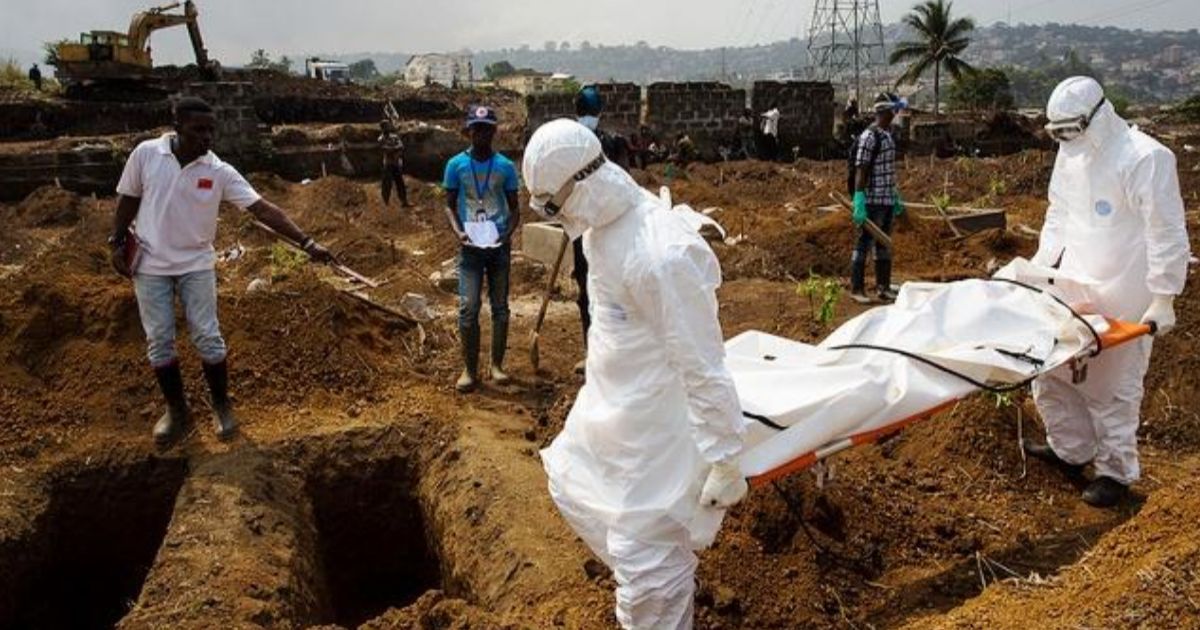
In one of the events, gunmen attacked the village of Dourtenga in the central-eastern part of the country on Sunday, killing nine members of the volunteer force, including their leader, a local official told AFP. Three of them were also civilians who were killed, a woman among them.
They did a lot of damage in the village, robbing a number of shops and incinerating others, and one of the residents said that the attack and resultant firing took well over an hour.
“Peace has come back, but since yesterday (Monday), there are a lot of individuals leaving the village in fear that there is another attack,” the resident added.
In the latest events, the Group for the Support of Islam and Muslims (JNIM), which is an Al-Qaeda affiliated organisation, has taken responsibility for the many attacks it has launched on the army and the volunteer army in the past month. The conflict monitor ACLED reported over 130 fatalities in a span of 10 days.
Regardless of the increased number of attacks, the military government claims to have taken back control of close to three-quarters of the nation and assisted over one million displaced individuals to go back to their native territories.
But analysts of the region argue that Burkina Faso has never been able to stop the cycle of violence that has claimed tens of thousands of civilians and soldiers since 2015. Since then, more than half have been killed within the last three years, according to ACLED.