The US central bank has voted in favour of keeping the interest rates low once again, with the current rise in oil prices since the onset of the US-Israel war with Iran bringing about economic uncertainty and the general threat of triggering inflation.
The outcome was a much-anticipated move that saw the Federal Reserve keep its key interest rate at 3.5%-3.75% since December.
Although the US President Donald Trump has been pressuring the policymakers to reduce the cost of borrowing, they have been moving at a slow pace since they have been faced with a delicate blend of increasing prices and the dashboard lights of the job market.
Analysts believe that the war has rendered them even less likely, and the markets are now distancing themselves from the possibility of a rate cut occurring next year.
Projections issued following the meeting indicated that most members of the Fed board even believed that the interest rates would be reduced at least once this year, with five of them believing that the rates may end up even below 3%.
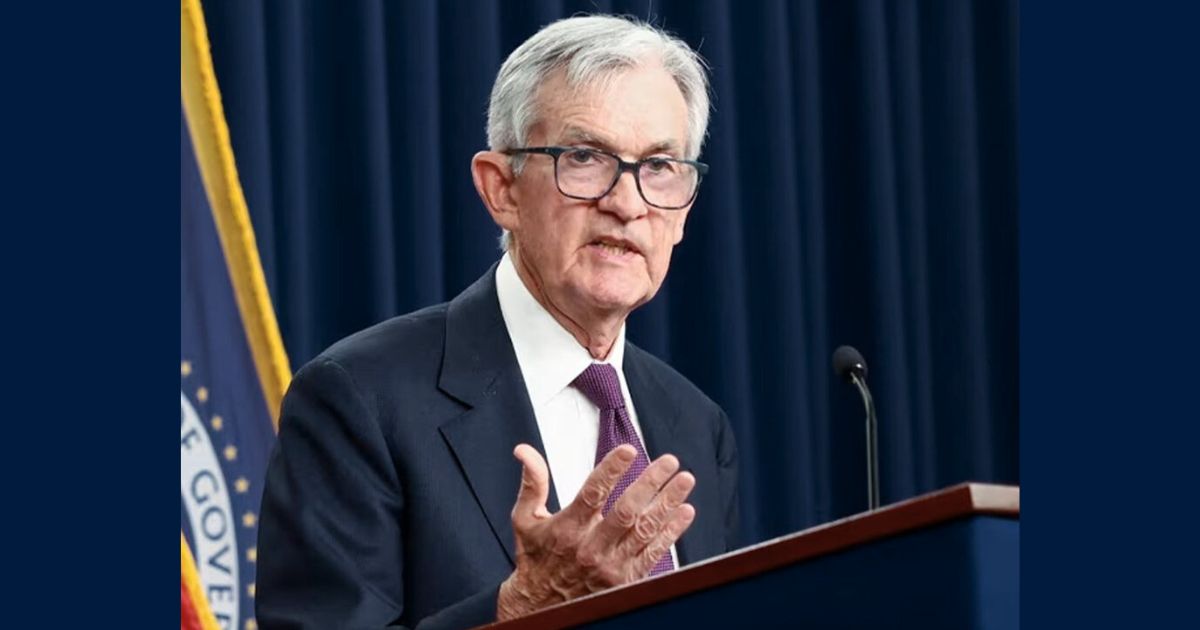
Federal Reserve Chairman Jerome Powell stated that the future reductions would be determined by whether inflation remains declining, saying that it was “too early” to determine how the war in Iran would impact that trend.
“Well, we simply do not know what the consequences of this will be and actually no one does,” he said.
The Fed normally reduces the cost of borrowing when it observes an increase in unemployment and wishes to stimulate the economy. It lifts them when it is concerned with inflation in the hope that the increase in the cost of borrowing money will help to reduce expenditure and slow price increases.
However, an economic image obscured a bit by sudden policy shifts, including tariffs, has rendered it tough for policymakers to articulate what issue they should focus on first.
The most recent war is the one in Iran, which caused the oil prices to shoot up, forcing the gas prices already in the US to peak at their highest since 2024.
Although that is bound to increase the prices in a broader scope, at least in the short-term, it may pose a threat of decelerating the economy, since the households will have less money to spend on other things.
The members of the Fed board are now optimistic that inflation will conclude the year at 2.7 per cent, compared with 2.4 per cent they were projecting in December.
Powell explained that it goes up because of the “oil shock” and fears that the US had not yet witnessed the end of price escalation caused by the tariffs that Trump imposed last year.
In the meantime, board members are postulating an economic growth of 2.4% on average, marginally higher than an economic growth of 2.3% in December, and an unemployment rate that will remain at 4.4% on average, as earlier forecasted.
Powell remarked that the crackdown on immigration by the Trump administration, which has reduced population growth and workforce size, has resulted in the fact that the companies did not have to employ as many people to maintain the levels of unemployment.
But he did not deny that there were concerns, as he stated that “it was not a very comfortable balance.”
“That is balance, and it is sort of a downside risk,” he said.
Powell stated that the coming six weeks would be vital in comprehending the development of the largest economy in the world.
His chairmanship is supposed to expire in May. But Powell indicated that he would remain on as head until Trump decides that he will put someone in his place.
Senators have vowed to thwart the confirmation of Kevin Warsh unless the Department of Justice looks into the cost overruns in a Fed renovation.
Even in case the chair resigned, Powell stated that he would not leave the board before the investigation is over.
He responded that he had yet to determine whether he would stay on after indicating that he would do so in what he considered to be in the best interest of the institution at the time.