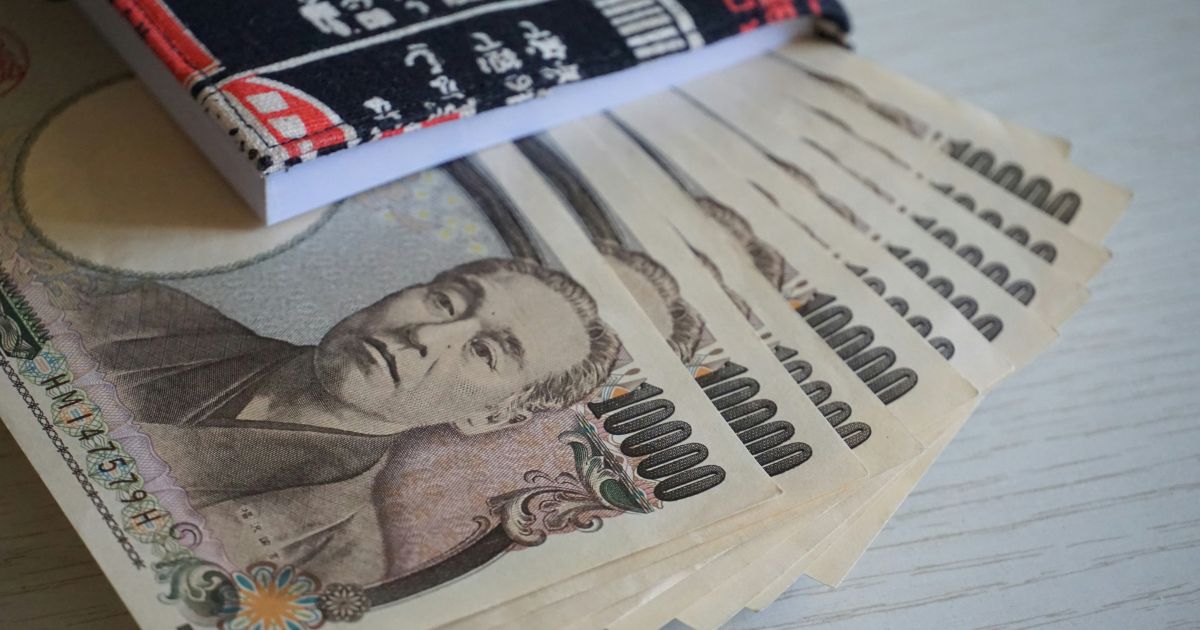
Major Japanese firms, such as Toyota, presented huge compensation packages in annual wage negotiations on Wednesday as a sign of high pay waves of an unprecedented fourth-year pay momentum, yet the prospects are obscured by the Middle East conflict.
The current wage negotiation has been much cushioned against the effects of the increased U.S tariffs, because firms would want to compensate workers at high rates in order to keep them on board due to continuous labour shortages.
The focus is now on the question of whether Japan will be able to continue high wage growth past this year because the skyrocketing oil prices caused by the Middle East conflict may shortly drag the economy down and strip corporate earnings.
Negotiations on salary between the labour unions and the management will often end in mid-March of the year, and most of the major companies, such as Toyota, Hitachi and NEC are doing union bidding on Wednesday.
“Due to constant productivity enhancement,” Toyota’s human resources head, Masahiro Yamamoto, told a press conference that “the automobile industry has gone on to initiate wage increments that are higher than all industries.” In full response to union demands, Toyota again, as in the five previous years, agreed to a pay raise of up to 21,580 yen a month, and an annual payment of a lump sum, which was equivalent to 7.3 months of salary.
Other firms like Mazda Motor and Mitsubishi Motors had already closed their wage bargains way before time after hastily accepting to give in to the request of the unions to the last detail.
On February 25, Mitsubishi Motors accepted an average 5.1% wage increase, ending its annual labour negotiation at the first stage in its history since its formation in 1970.
The biggest labour union umbrella group in Japan, called Rengo, with approximately 7 million members, will publish a preliminary inventory of concurred terms on March 23.
The unions are demanding an average increase of 5.94, which is slightly lower than the 6.09 they demanded last year, leading to an average pay increase of 5.25, the biggest in 34 years.