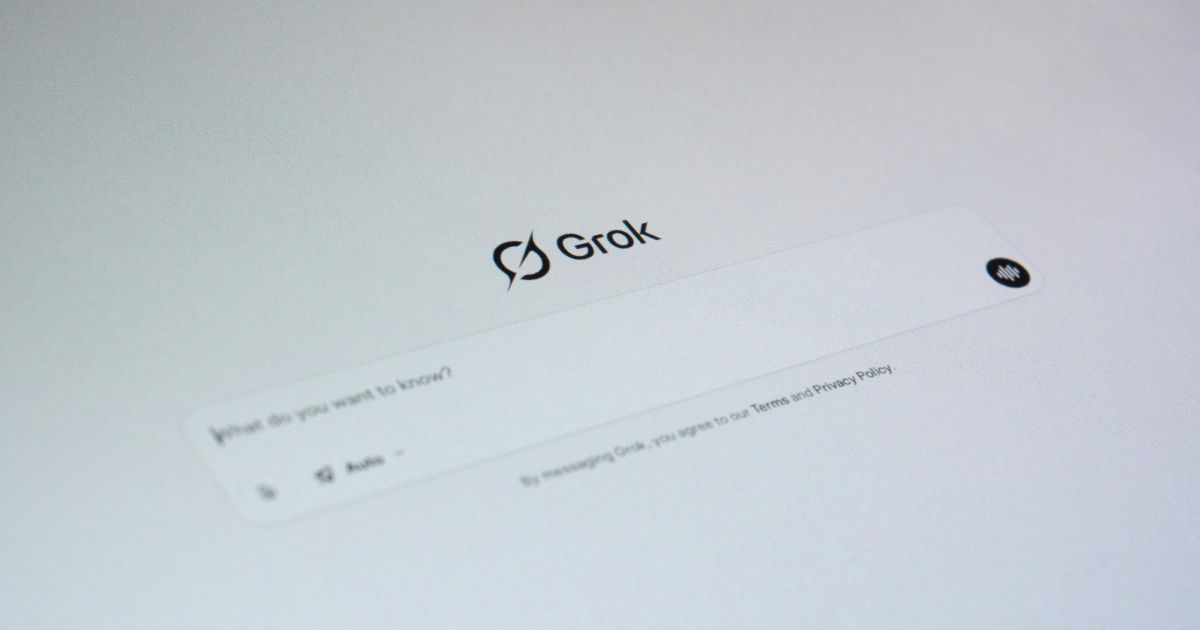
On 13th March, EU countries supported a ban on AI that creates sexualised deepfakes, and it was sparked by an uproar over such images created by an AI chatbot, Grok, created by Elon Musk.
A spokesperson of Cyprus, the current rotating president of the EU, said that European ambassadors were “ready to ban practices related to the creation of non-consensual sexual and intimate materials or child sexual abuse material.”
The ban is one of the ideas that were introduced by EU member countries and the European Parliament, considering the change of the overall rules on AI within the bloc.
The ban should be voted on by committees of the EU lawmakers on Wednesday.
“It is not only about personal scandals such as Grok. It is a question of the extent of power we want AI to have to humiliate people,” one of the numerous members of the parliament, Sergey Lagodinsky, who is leading the pack in promoting the ban, said.
In January X, the service where Grok is sold, responded by saying it was zero-tolerant of sexualised deepfakes of children and women and introduced a response it believed would prevent such image-making in future following the international furore.
In January, the European Commission, the digital watchdog of the bloc, launched an inquiry into Grok in accordance with the EU online content rules.
The ban will be enacted once the EU parliament discusses a final text that entails amendments to the AI rulebook with the member states.
The ambassadors on Friday as well accepted a set timeframe by which the delayed high-risk AI regulation would be used: December 2027 to stand-alone high-risk AI systems and August 2028 to high-risk AI systems embedded in products.
The rules concerning high-risk AI will be put into effect in August 2026 and August 2027 unless the delay is made law.