On 12th March, China enacted a law on a so-called “shared” national identity among the 55 ethnic minority groups that make up the nation, providing critics with a chance to claim that a new law will allow weakening the identity of non-majority Han Chinese even more and making anyone criticising that “unity” a criminal, legally punishable offence.
The ethnic minority law, dubbed “Promoting Ethnic Unity and Progress,” is set to create a national unity and boost the revival of the Chinese nation with the Chinese Communist Party (CCP) as its heart, a draft version of the law revealed.
It was enacted during the last session of the yearly meeting of the National People’s Congress, which is the house of legislature in China, by 2,756 votes, three being against it, and three being abstentions, according to a witness of Reuters.
The legislation will take effect on July 1 this year, according to state media.
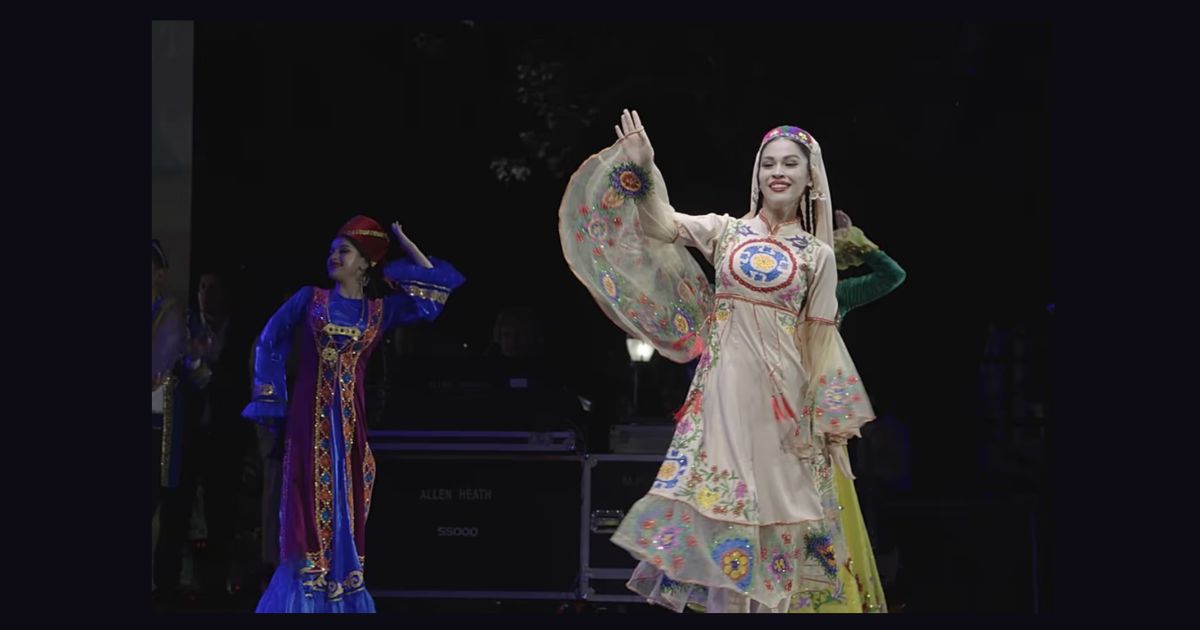
China officially recognises 56 ethnic groups, but the largest is the Han Chinese, who make up over 91 per cent of the total population in the country, which is 1.4 billion.
The ethnic minority inhabitants of China, including Tibetans, Mongols, Hui, Manchus and Uyghurs, are all grouped in what amounts to approximately half of the total landmass of China, much of which is endowed with natural resources.
The law is to facilitate integration among the ethnic groups with education, housing, migration, community life, culture, tourism and development policy, the law said.
It requires Mandarin to be the official language of instruction in schools, government, and official business.
In social contexts, where Mandarin and minority languages are interchangeable, Mandarin should be accorded pre-eminence in terms of “placement, order, and the like” that it enjoys, said the draft.
The state added that the “learning and use of the minority languages and scripts are respected and preserved.”
According to the draft, religious groups, religious schools, and religious venues are supposed to conform to the course of the Sinicisation of religion in China.
The law also aims at prohibiting any form of interference in marriage choices due to their ethnicity, custom or religion in order to facilitate greater intermarriages between the ethnic groups.
‘INTEGRATE WITH THE MAJORITY’
Another expert on Chinese foreign policy, Cornell University associate professor of government Allen Carlson, said that the law highlighted a shift towards assimilation.
He said, “using the initials of the official name of China, that in the PRC of President Xi Jinping, non-Han people had more than ever to do more to assimilate themselves into the Han majority, and, most importantly, to be loyal to Beijing.”
The social system of governance in China involves ethnic issues, and its provisions cover anti-separatism, border security, risk prevention, and social stability.
The draft said, “organisations or individuals outside of China, which perform activities against the country that damage ethnic unity and progress or establish ethnic separatism, would be sought after legal responsibility within the framework of the law.”
China Daily, in an editorial, stated that the law had undergone a long and thorough process of formulation in the legislative arena, and had been subjected to a series of readings and consultations with legislators and representatives of the ethnic minorities.
It said that “the law emphasised the safeguarding of cultural traditions and lifestyles of all ethnicities… It is wrong to say that ethnic minorities in China must be either economically developed or culturally preserved.”