The Ministry of Culture assisted the Indonesian Association of Artists, Singers, Songwriters and Musicians (PAPPRI) in bringing the Indonesian music ecosystem together before the National Music Day 2026.
According to Minister of Culture Fadli Zon, National Music Day is not simply an annual ritual; it is a chance to enforce the cultural identity of Indonesia by means of musical compositions of various genres and regions.
“We firmly believe that we should not stop trying to revive and promote Indonesian music. National Music Day is an annual event on March 9th, the birthday of Wage Rudolf Supratman, the composer of the national anthem Indonesia Raya. We are willing to cooperate, and we advocate the intended agenda,” he said in a statement received in Jakarta on Tuesday, February 24, 2026, as quoted by Antara.
The Minister was also glad of the intended commemoration on March 9 in Banten and on April 15 in the Taman Ismail Marzuki. Minister Fadli, in a meeting with PAPPRI, urged inclusion of dangdut in this year’s celebrations.
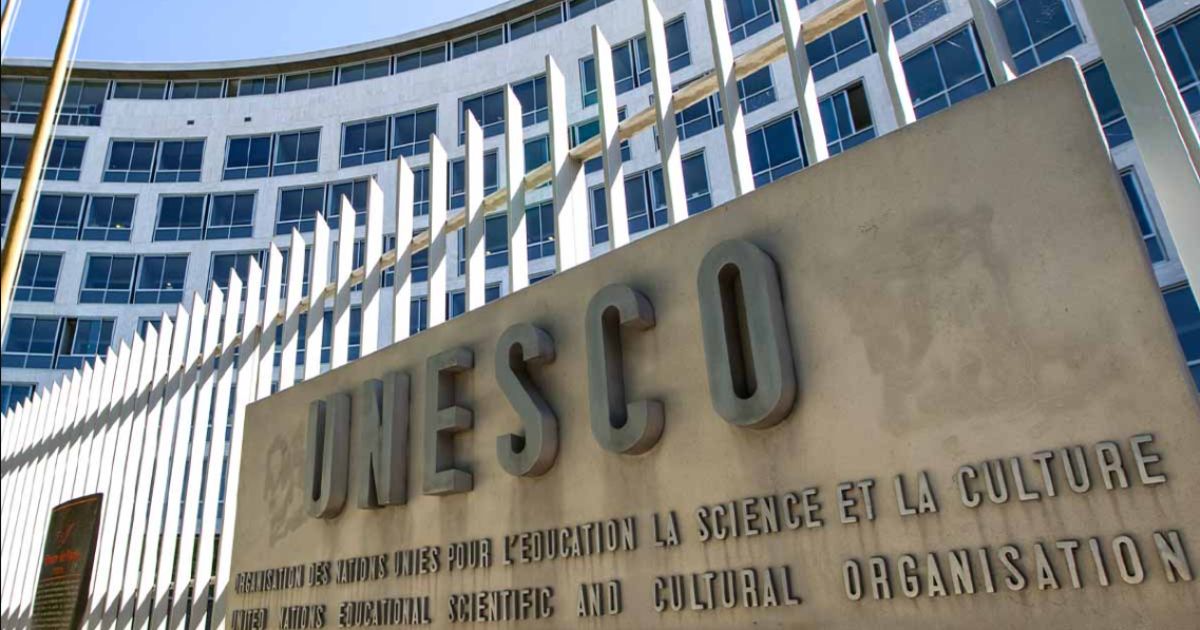
This is a step towards dangdut being listed in the Intangible Cultural Heritage list of UNESCO. This initiative incorporates different stakeholders, with the Indonesian Dangdut Music Artists Association (PAMDI) being one of them.
In case of such a recognition, UNESCO would grant a greater degree of legitimacy to dangdut as an example of Indonesian popular culture on the international level. This is one of the strategies as a part of cultural diplomacy that demonstrates the desire of the government to promote not only its national heritage but also popular and traditional music.
According to PAPPRI Secretary General Dwiki Darmawan, PAPPRI started the National Music Day on February 27, 1986, and has been marking it annually since then. Presidentially decreed by Decree number 10/2013, the National Music Day is celebrated on March 9 on an annual basis.
“National Music Day should remain a cultural institution and an embodiment of the hope in the power of national music. As a professional group, we have a sense of obligation in making sure this commemoration does not pass unnoticed and in making sure that it does not go off course and stays in line with the national cultural policy,” said Dwiki.
In line with the Ramadan season, PAPPRI has come up with commemorations specific to this season. The final event will be held in the State Building at Serang, Banten, on March 9 and will be attended by PAPPRI Regional Leadership Councils (DPDs) all over Indonesia.
It will feature local talent along religious themes, such as terbang gede, a traditional Islamic art form of the Banten Province that was developed in Serang and Pandeglang; genjring dzikr, a traditional art form based on Islamic themes combining dance, prayer chanting and religious poetry accompanied by percussion instruments; rudat, a traditional art form influenced by Islam; and shalawat, a form of prayer chanting.
The Ministry of Culture has focused on collaborating with the PAPPRI to promote music as a foundation of national cultural growth, as well as ensuring that National Music Day celebrates the diversity, creativity and identity of Indonesian music.